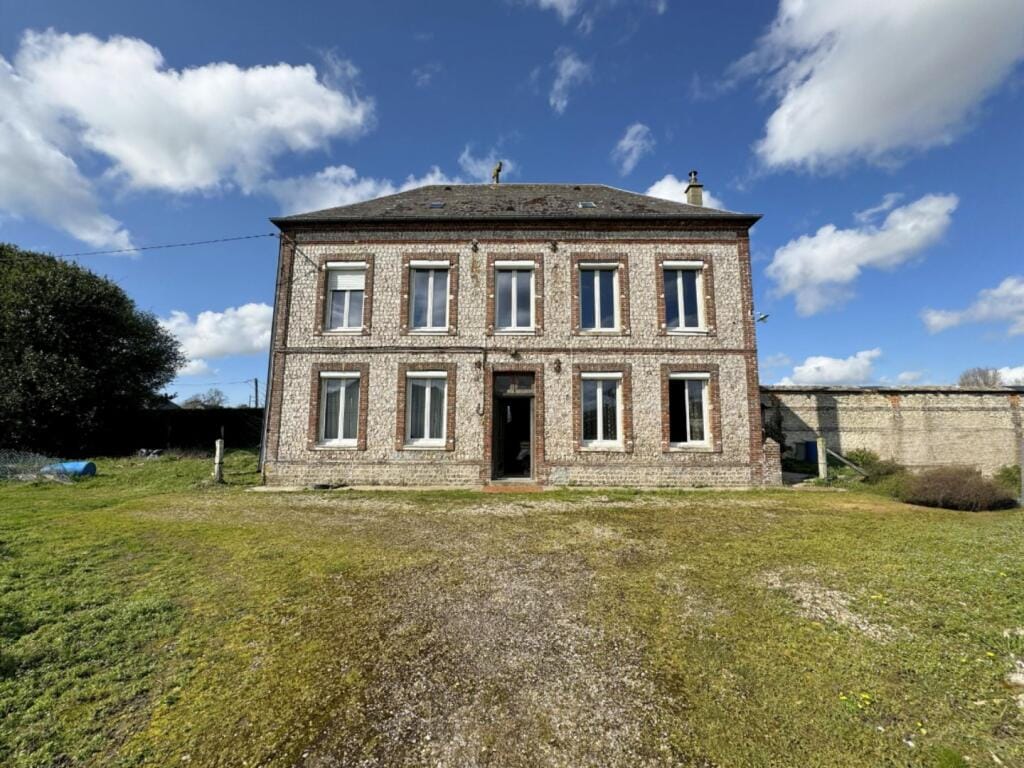
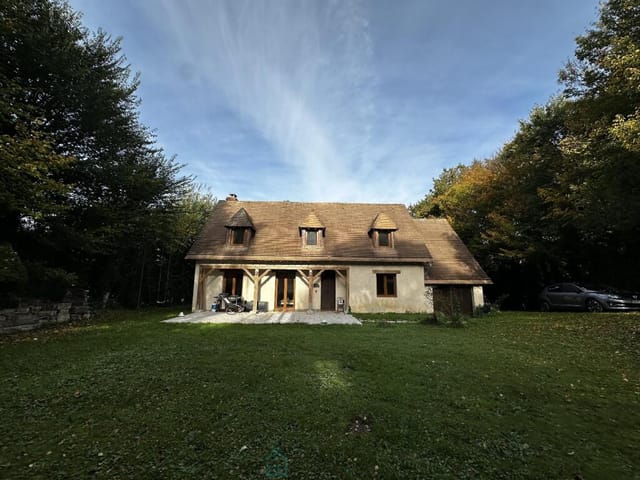
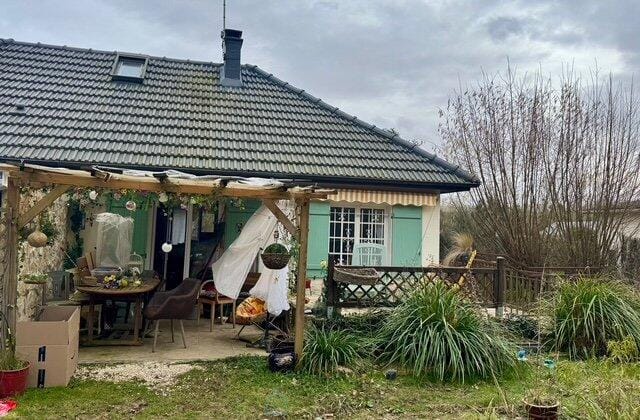
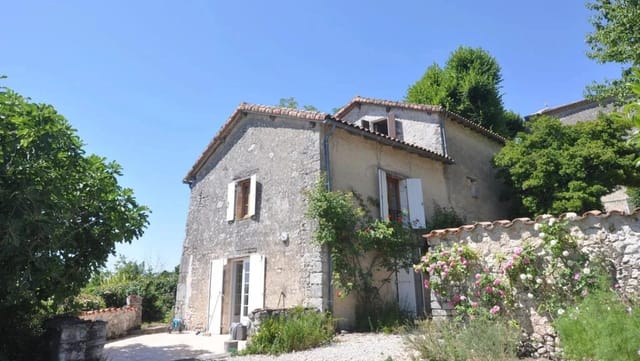
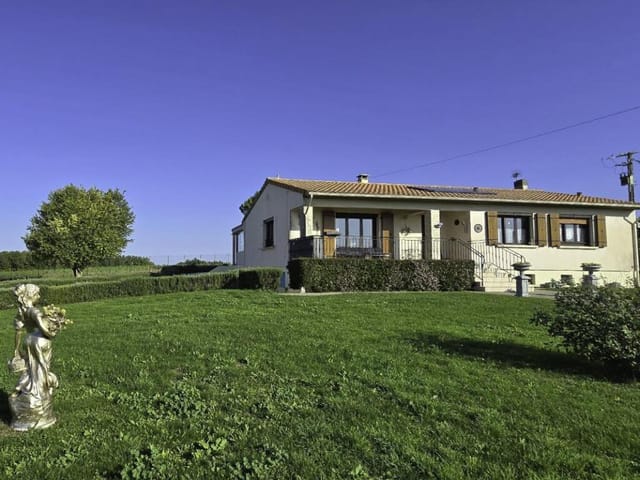
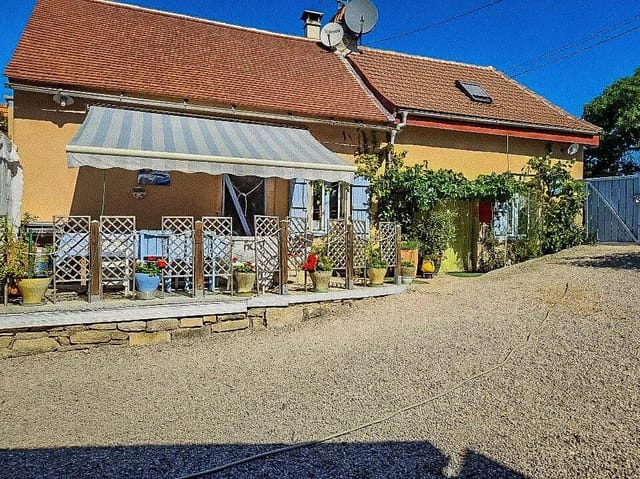
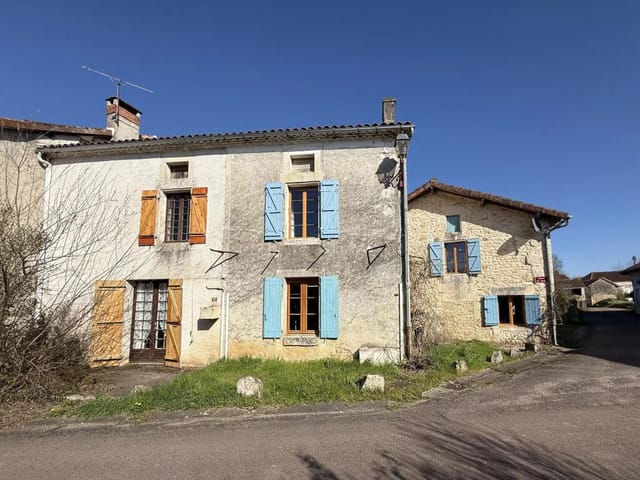
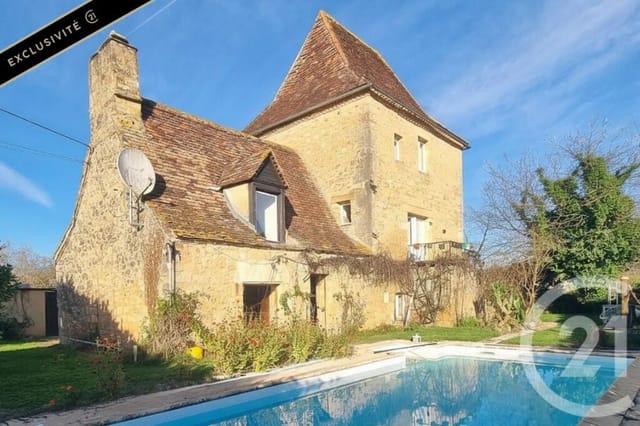
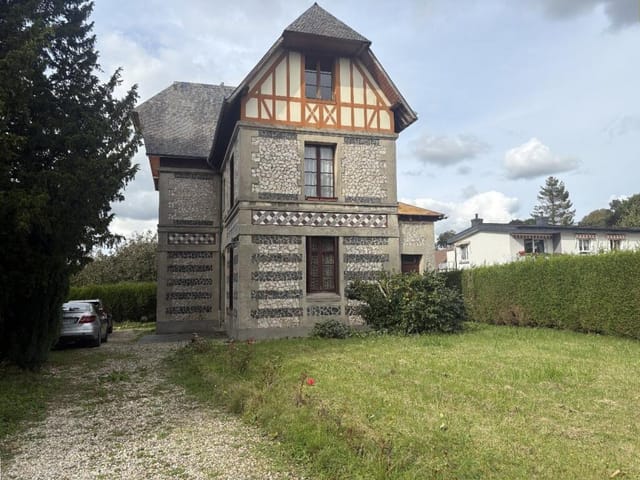
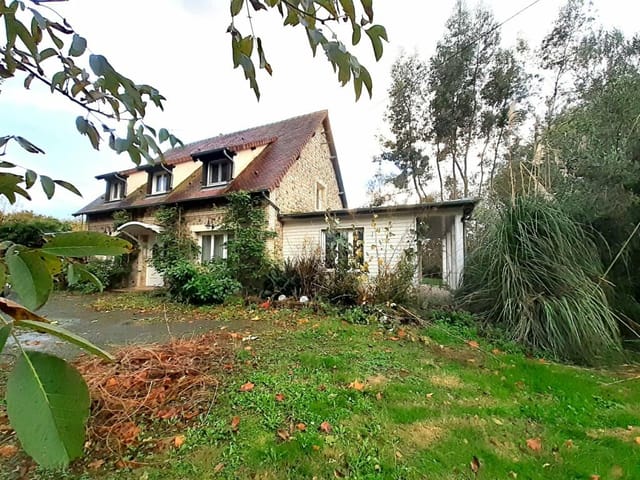
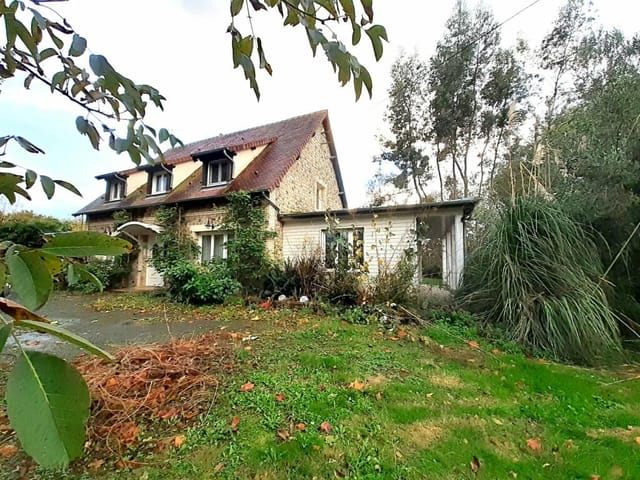
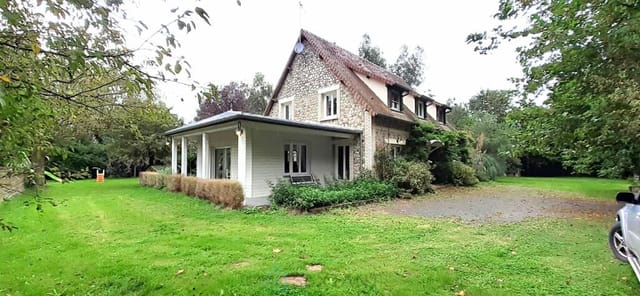
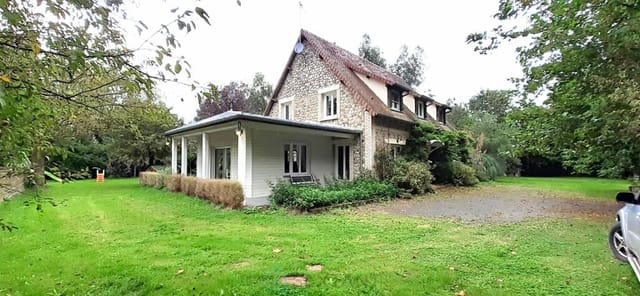
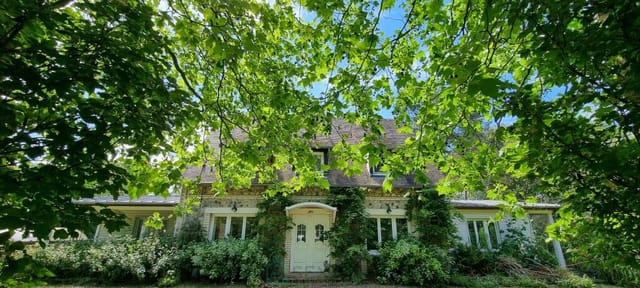
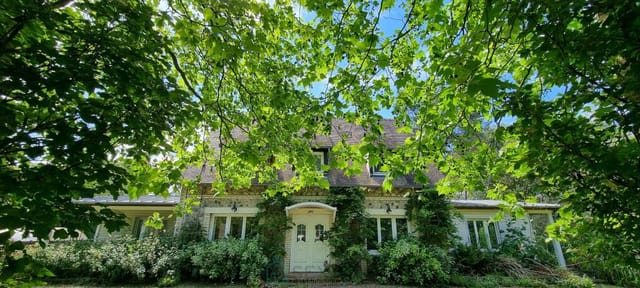
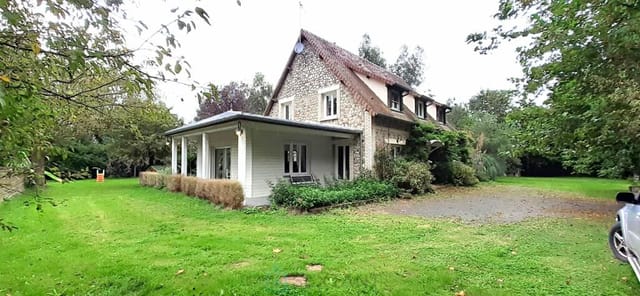
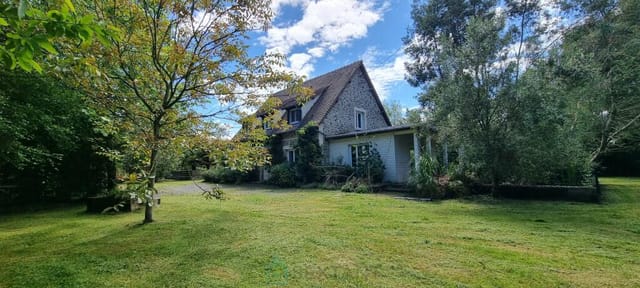
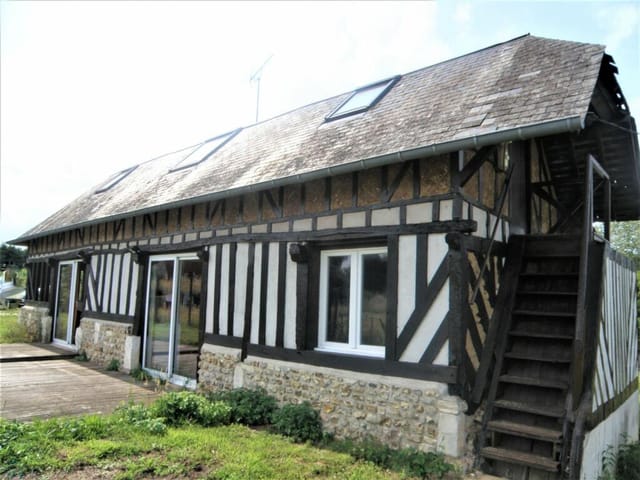
Step through the heavy front door of this brick-and-flint maître house on a crisp October morning and you hear it immediately — the kind of silence that costs money in most of France. No traffic, just a wood pigeon somewhere in the garden and the faint metallic ring of the Goderville church bell carrying across the Pays de Caux plateau. This is what 172,000 euros buys you in northern Normandy right now: a real house with bones, history, and a plot of land big enough to breathe.
Bretteville-du-Grand-Caux sits right on the edge of the Seine-Maritime plateau, a few minutes from the market town of Goderville where the Tuesday morning market draws farmers and locals who've been shopping the same stalls for generations. Pick up a thick wedge of Neufchâtel heart-shaped cheese, a bottle of Calvados from a producer who doesn't export, and a baguette still warm from the boulangerie on Rue du Général de Gaulle. This is everyday life here, not a tourist performance.
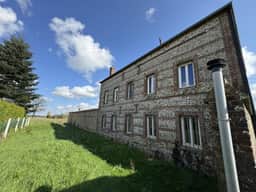
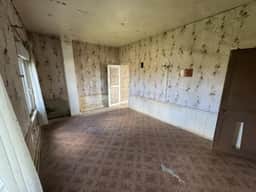
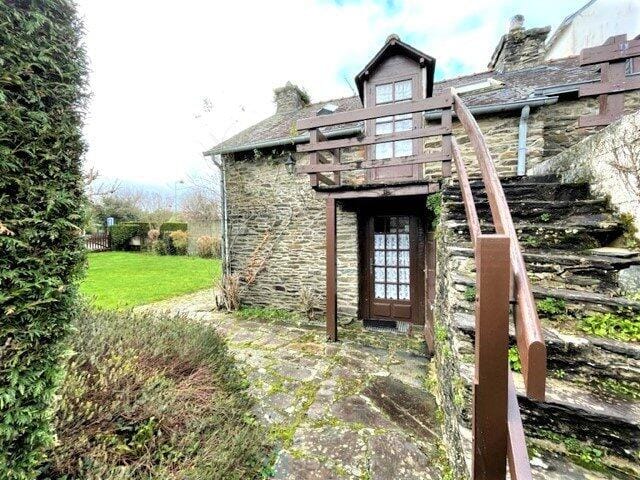
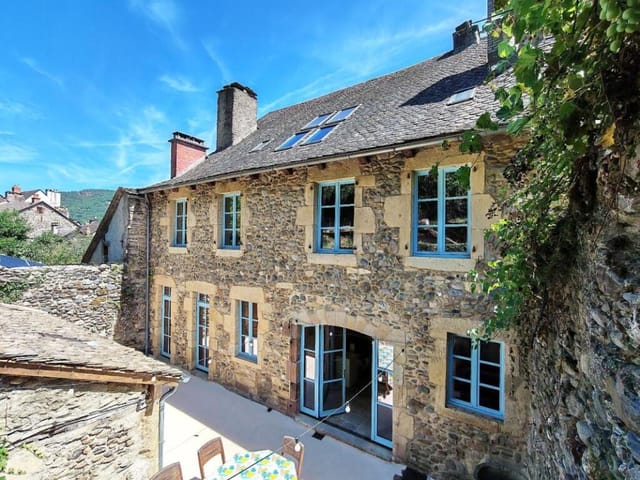
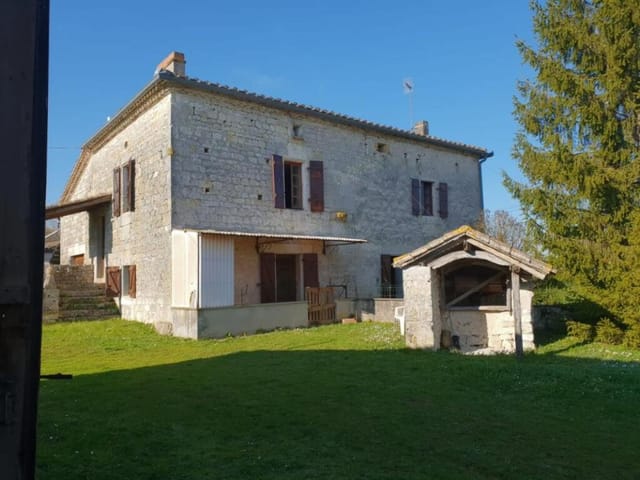
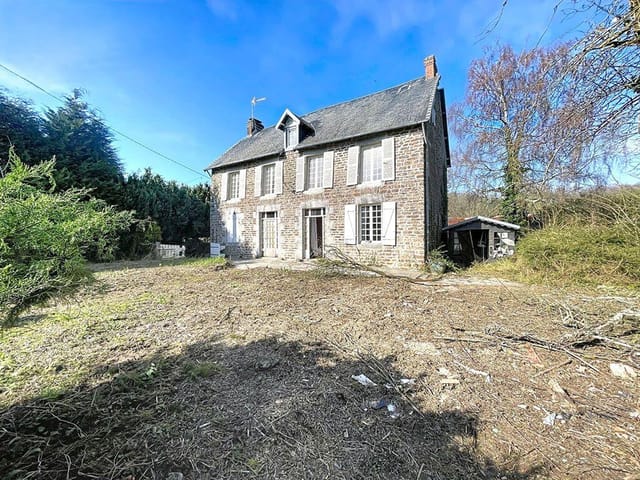
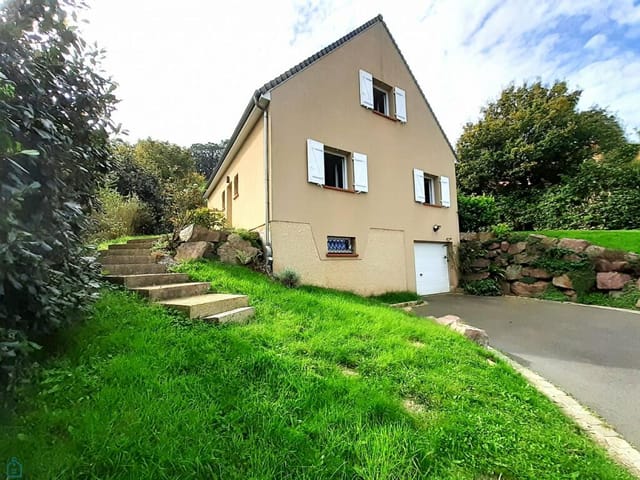
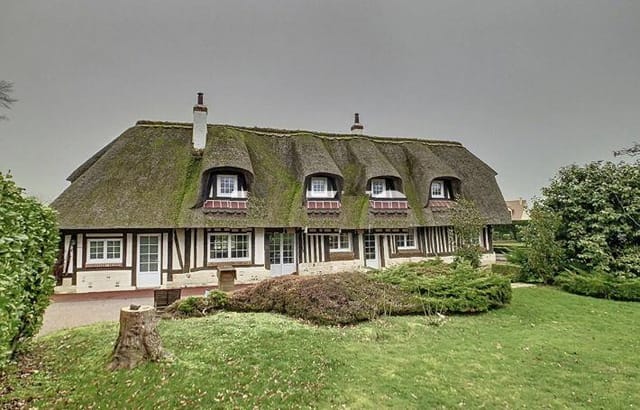
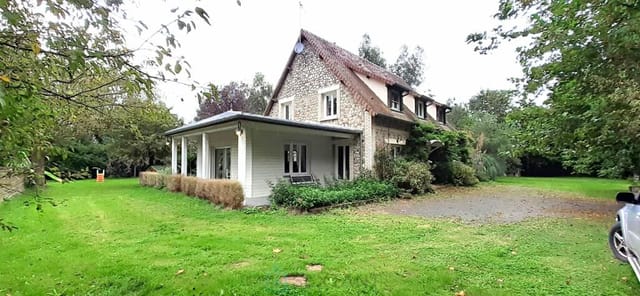
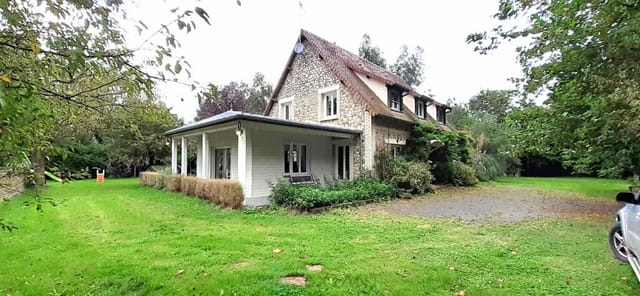
The house itself is the kind you used to find everywhere in Pays de Caux and now increasingly don't. Brick and silex — that distinctive local flint — laid in the traditional Norman pattern, with generous ceiling heights that make the reception rooms feel genuinely grand rather than merely large. The ground floor opens into spacious living areas that get proper afternoon light through tall windows facing the garden. There's a scale to these rooms that's hard to fake: wide floorboards, high cornices, proportions that belong to an era when builders weren't counting square centimetres.
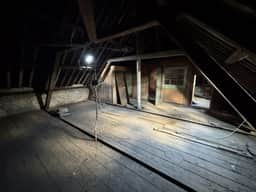
Upstairs, four bedrooms spread comfortably across the first floor. Two face the rear garden and catch the morning sun. The remaining rooms have that characteristic Normandy quietness that comes from thick masonry walls — the kind that keep you cool in July and hold heat through the grey November days. Above the first floor, the attic space is convertible. Given the ceiling height and footprint, this could realistically become one or two additional rooms, a proper home office, or an artist's studio with a north-facing rooflight — subject to the usual planning permissions under the local PLUi heritage classification.
That classification matters. The house appears on the architectural heritage register of the local urban plan, which means it carries protected status. For an international buyer, that's a genuine asset: the character and exterior appearance are locked in, your neighbours can't demolish the farmhouse next door and replace it with something that kills the street. It also means eligible renovation work can qualify for ANAH funding — the French national housing improvement agency's grants and subsidised loans that can significantly reduce the cost of bringing a property like this up to modern thermal and comfort standards. A French notaire and a local ANAH advisor can walk you through the eligibility in a single afternoon.
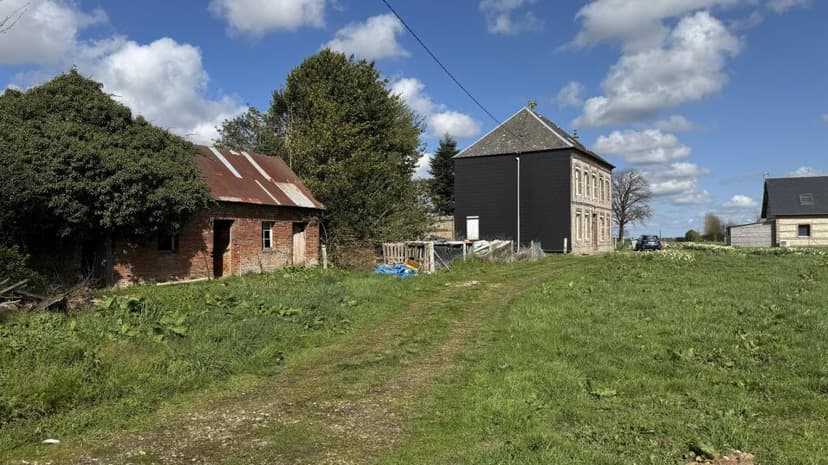
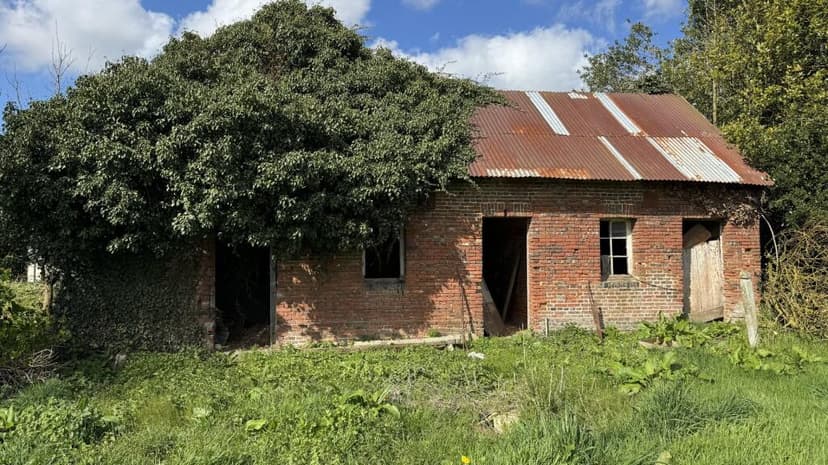
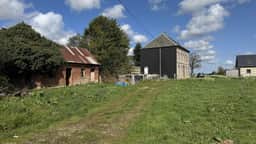
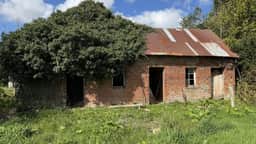
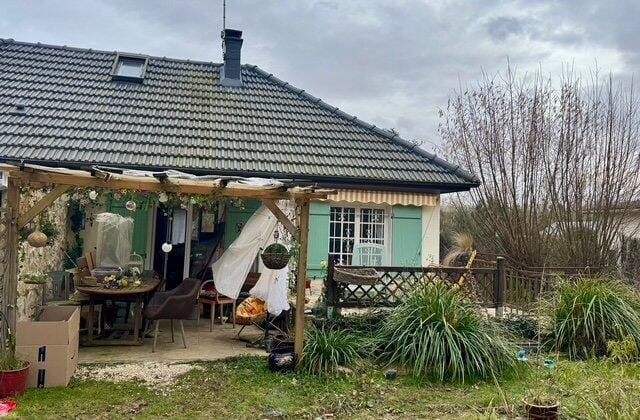
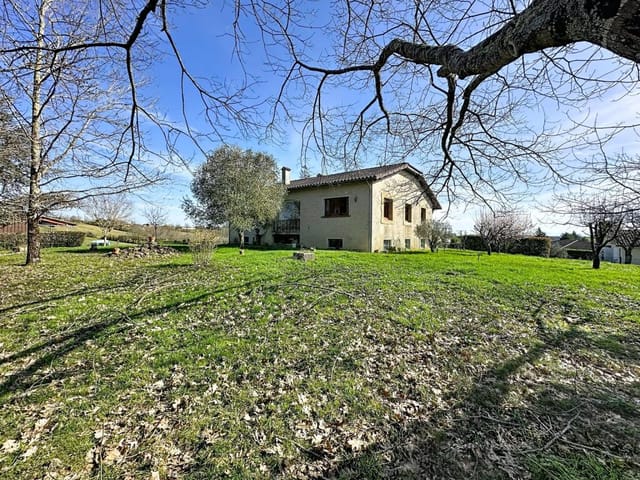
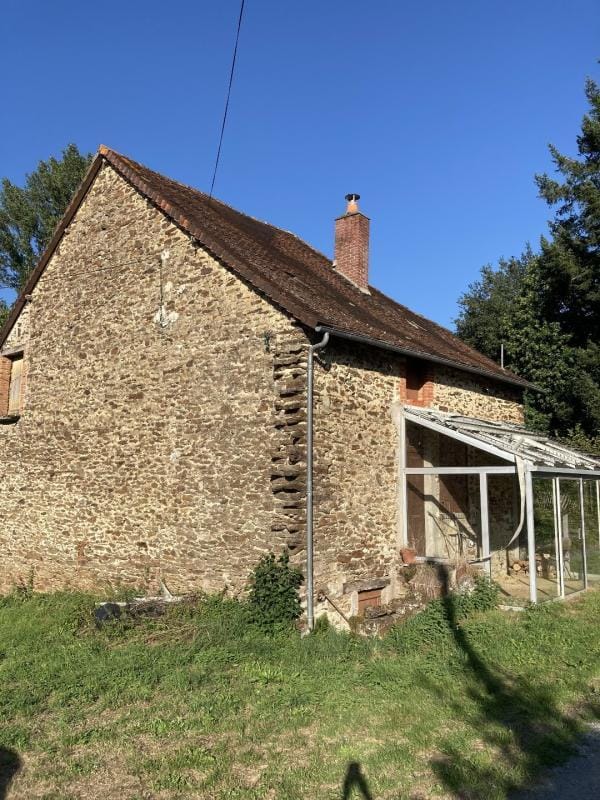
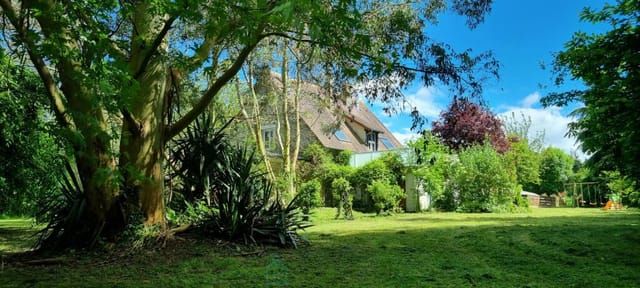
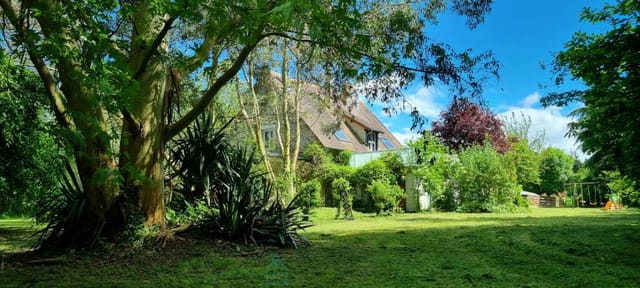
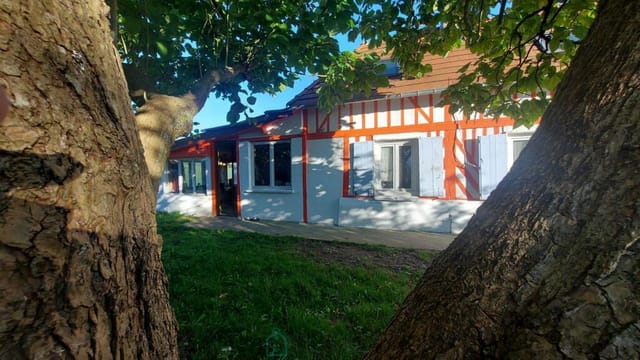
The 2,261 square metre plot deserves its own moment. Flat, manageable, already walled on two sides with a substantial brick agricultural outbuilding at the rear. That outbuilding opens up several directions: convert it into a gîte for rental income, use it as a garage and workshop, or — and this is the detail that makes developers pay attention — the plot configuration potentially allows a parcellary division, meaning a secondary building plot could be split off and either sold or developed independently. In the current Seine-Maritime property market, where buildable land near established villages is increasingly scarce, that optionality has real monetary value.
Normandy as a holiday destination tends to be underestimated by buyers who default to the Dordogne or Provence. That's their loss. The D-Day beaches at Arromanches and Omaha are roughly an hour's drive south, a pilgrimage route for history-minded visitors that generates serious rental demand through spring and summer. The Alabaster Coast — the Côte d'Alâtre — with its white chalk cliffs at Étretat is under 30 minutes by car, one of the genuinely dramatic coastal landscapes in all of France. Fécamp, with its Benedictine distillery, Gothic abbey, and working fishing harbour, is about 20 minutes. Le Havre, a UNESCO World Heritage city with excellent rail links to Paris Saint-Lazare (about 2 hours), is 25 minutes away.
Summer here runs from June through September, with temperatures regularly hitting the high 20s and enough dry days to make outdoor living practical. September is arguably the best month: harvest time in the apple orchards, the light turns golden in a way that drove Monet slightly mad when he was painting Étretat, and the tourist crowds have thinned. Winter is mild by northern European standards — rarely below freezing for long — and the house's substantial masonry construction means heating bills, once the renovation insulation work is done, stay manageable.
For international buyers considering a second home in France, the legal process here is well-trodden. A notaire handles the conveyancing, the compromis de vente locks in the deal with a cooling-off period, and the final acte de vente transfers title. Non-EU buyers face no restrictions on purchasing residential property in France. Financing is available through French banks for non-residents, typically at 70-80% loan-to-value, and several specialist brokers in Le Havre and Rouen deal specifically with international purchasers.
This property is sold with vendor-paid agency fees, which means the listed price is what you pay.
Key features at a glance:
— 4-bedroom maître house, brick and silex construction, approx. 166 m²
— 2 bathrooms, generous ceiling heights throughout
— Large convertible attic with good head height
— 2,261 m² flat plot with walled sections
— Substantial brick agricultural outbuilding
— Potential for plot division / secondary development (subject to planning)
— Listed on the PLUi architectural heritage register
— ANAH renovation grant eligibility
— Walking distance to shops, schools, and village services in Goderville
— 25 minutes to Le Havre (TGV to Paris 2 hrs)
— 30 minutes to Étretat chalk cliffs
— 20 minutes to Fécamp harbour
— 1 hour to the D-Day landing beaches
— Asking price: €172,000 — vendor pays agency fees
— Move-in ready condition, full renovation potential
If you want to talk through the renovation scope, the ANAH process, or arrange a viewing from abroad, get in touch through Homestra today. Properties like this — real architectural heritage, a serious plot, and a price that still makes sense — don't stay available long in this part of Seine-Maritime.