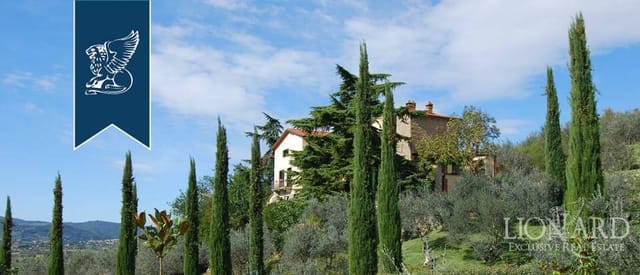
Early October in Vogognano. The fog sits low over the Arno Valley, and from the upper floor of the main house you can just make out the ridgeline of the Alpe di Catenaia catching the first light. Somewhere below, a tractor starts up. The olive harvest is three weeks away, and the hundred-plus trees on this estate will need every pair of hands they can get. That is the rhythm of life here — earthy, unhurried, and very, very real.
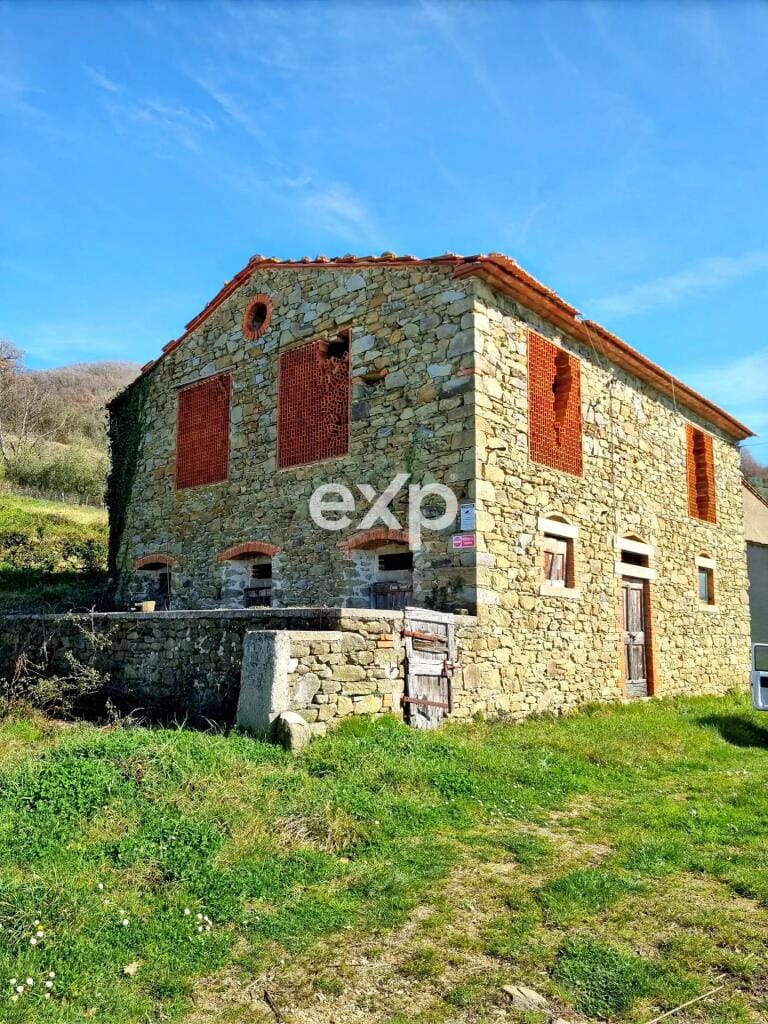
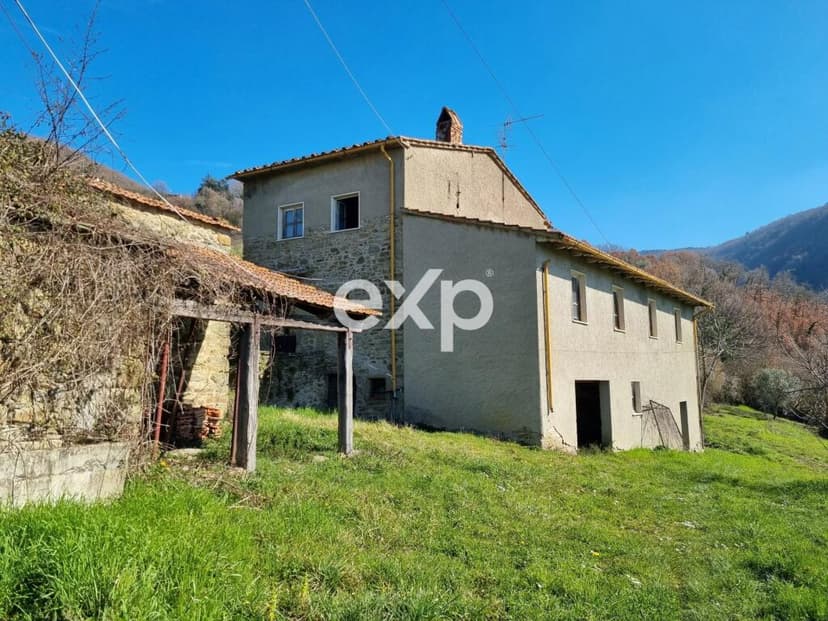
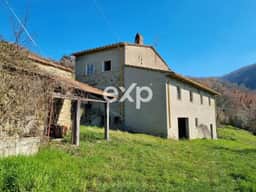
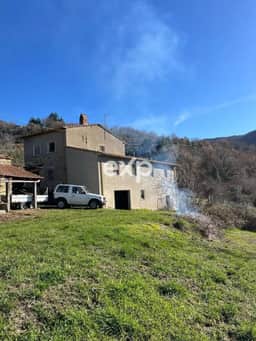
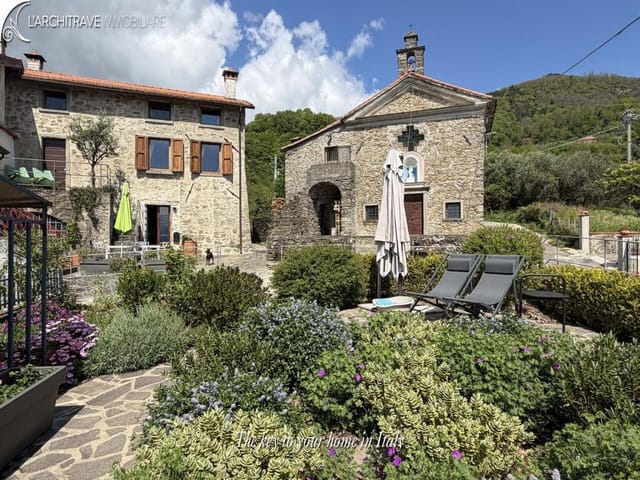
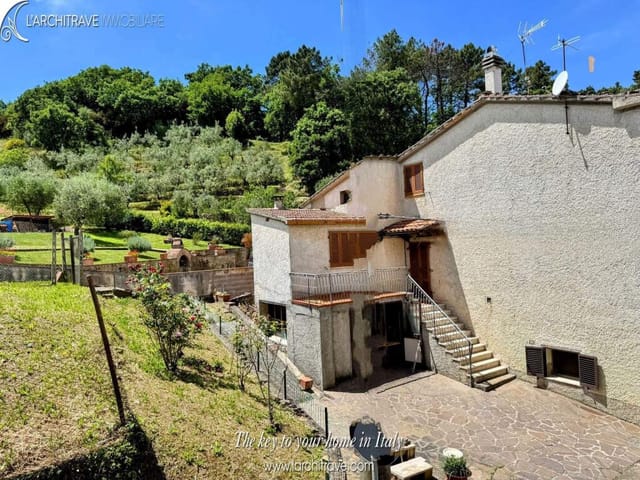
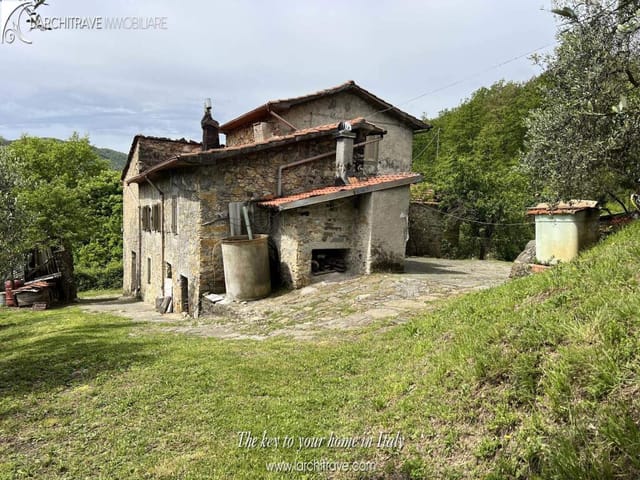
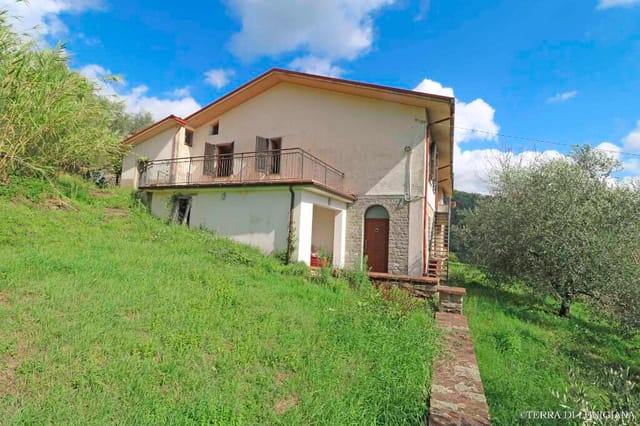
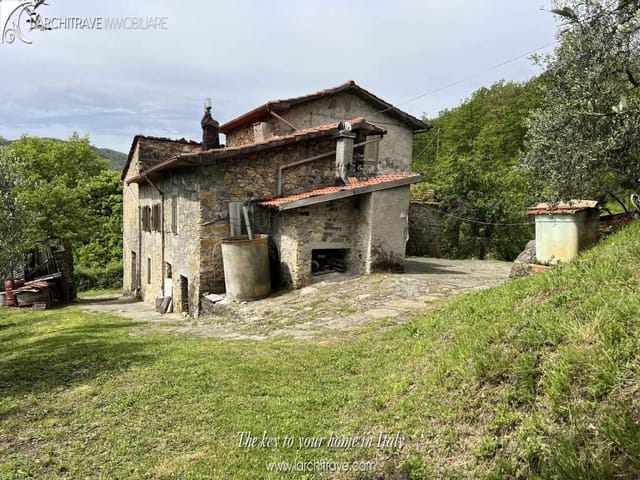
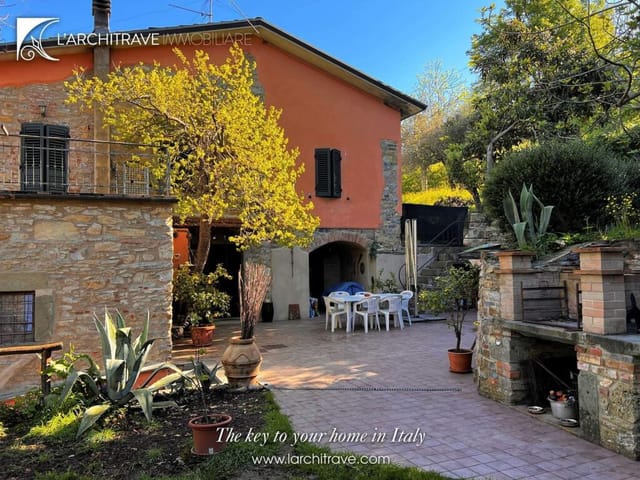
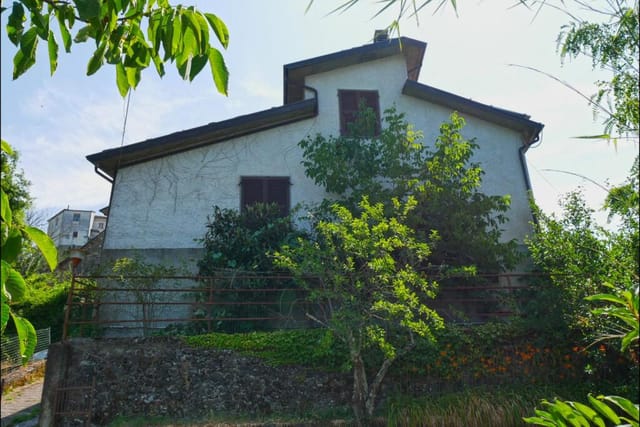
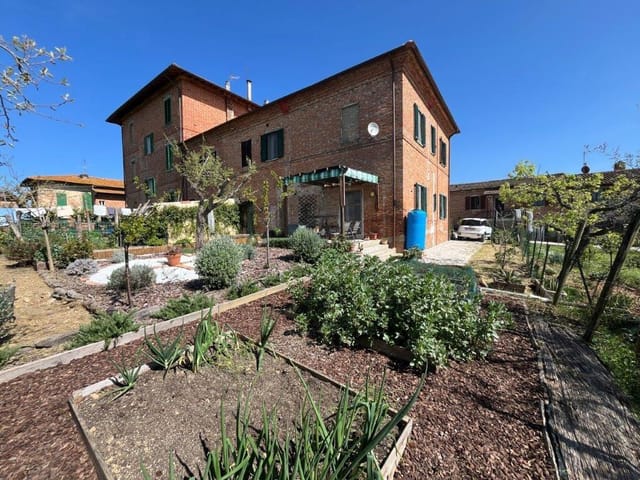
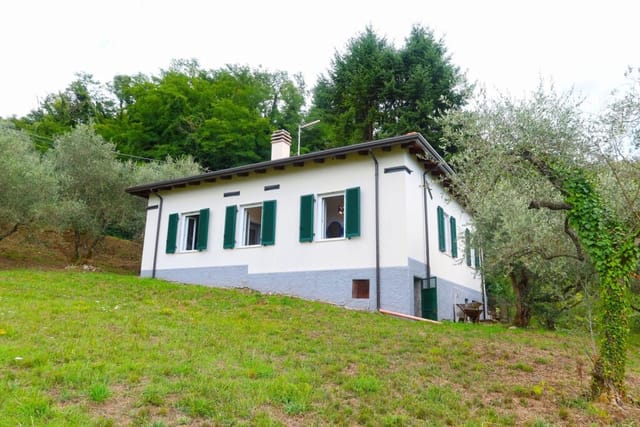
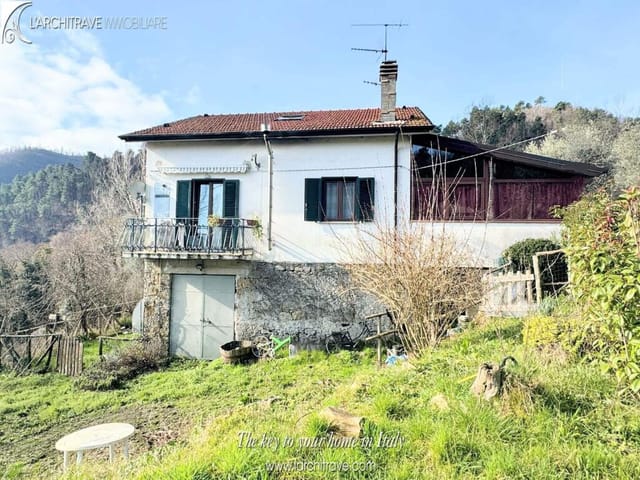
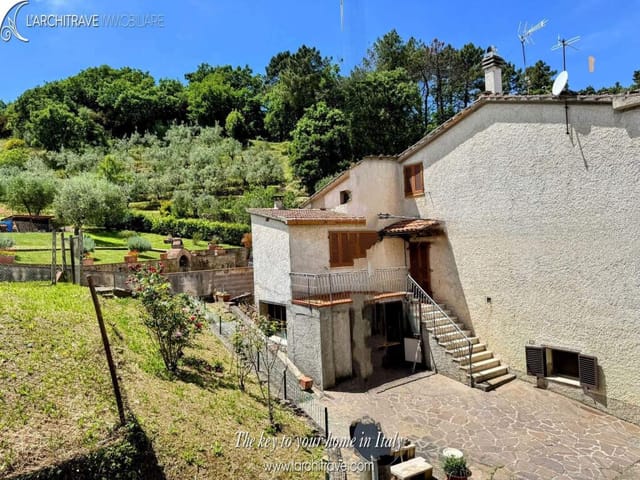
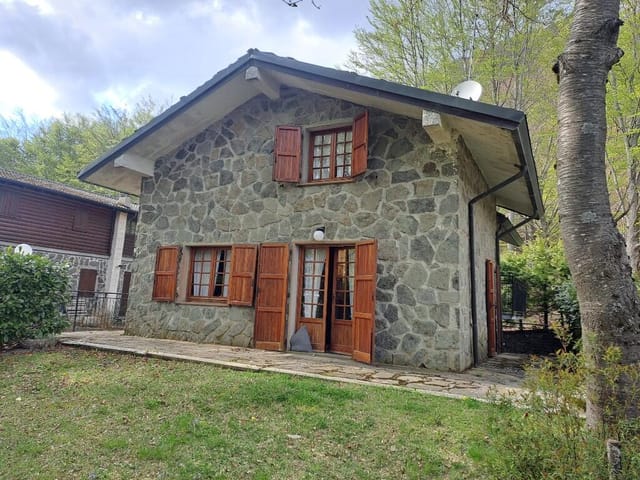
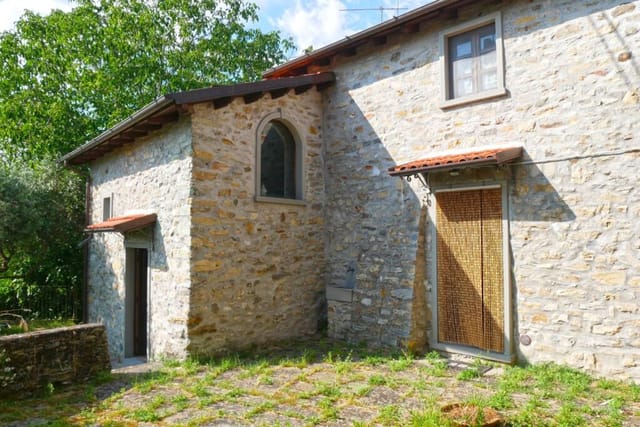
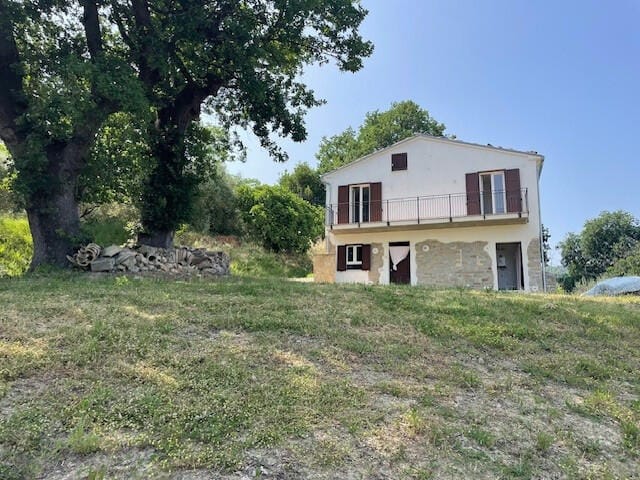
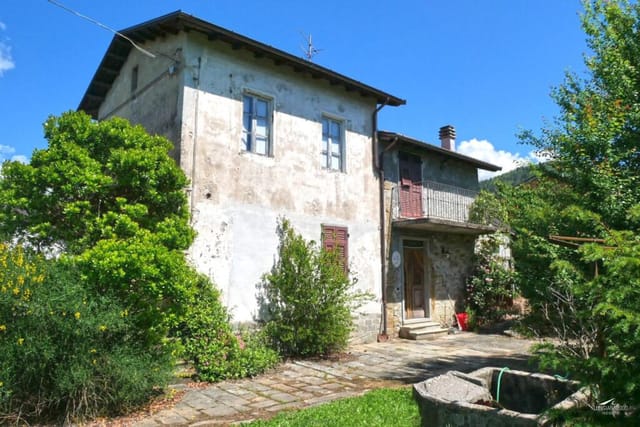
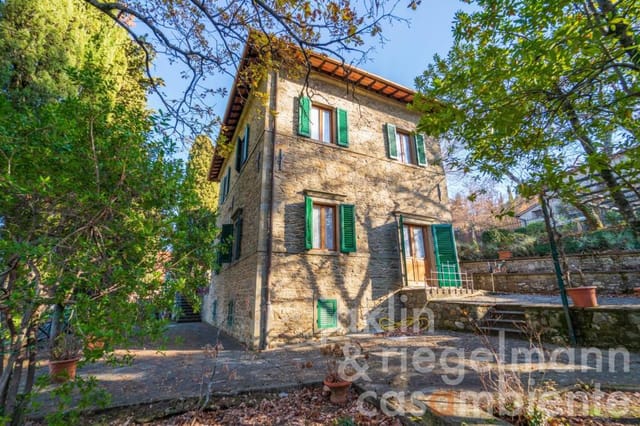
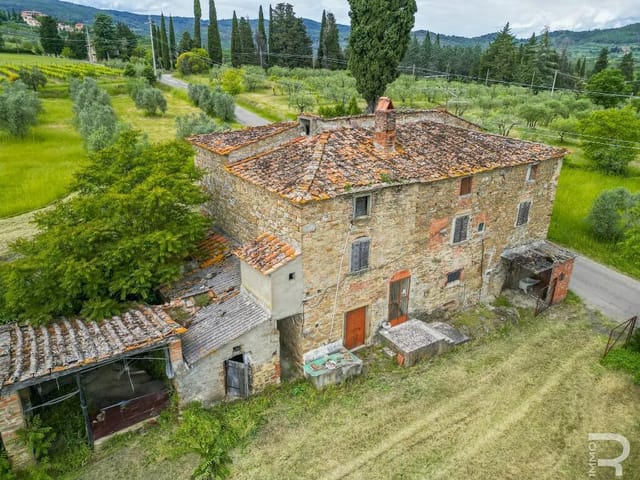
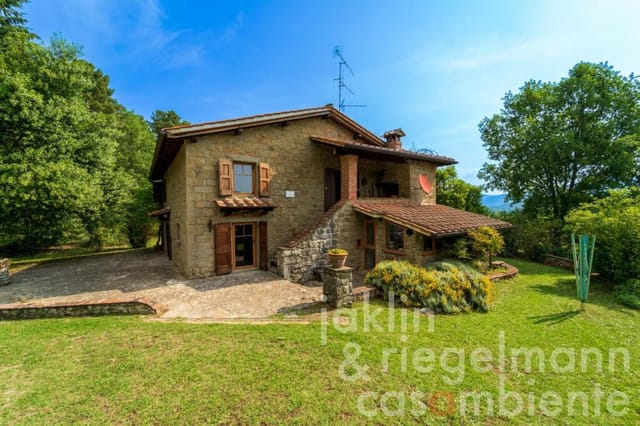
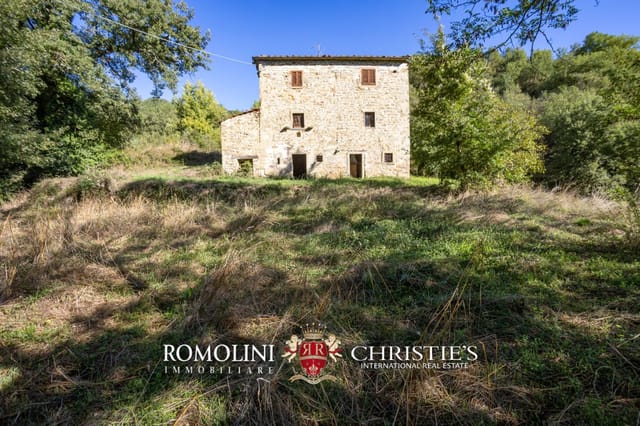
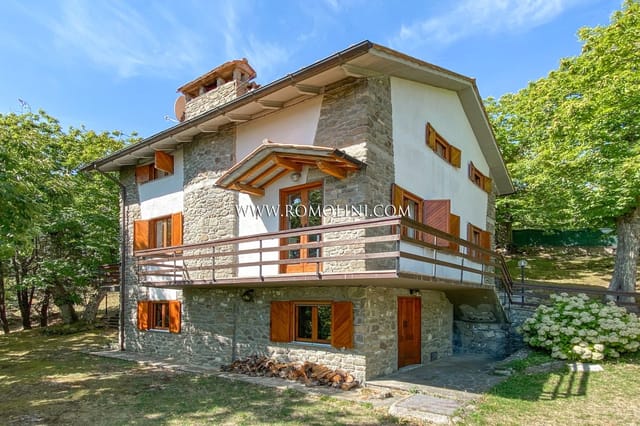
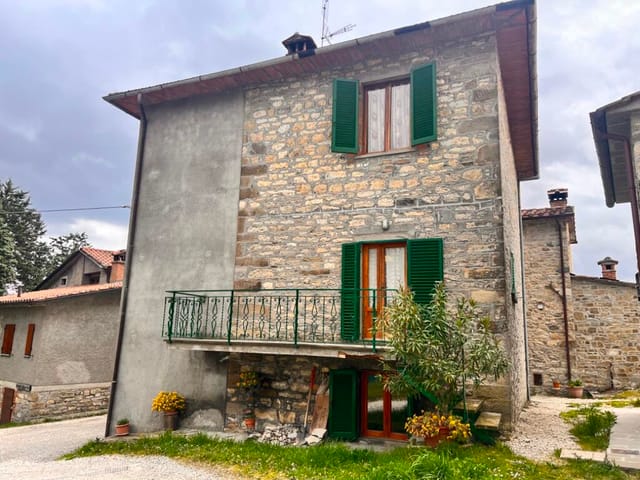
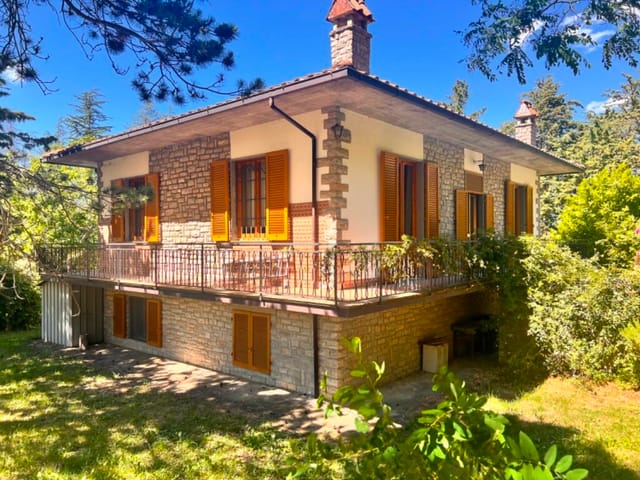
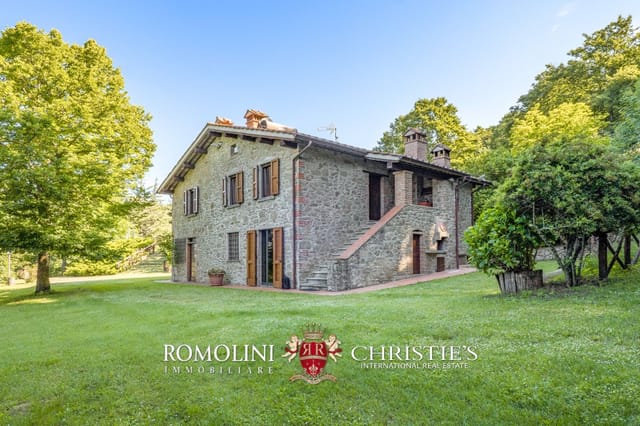
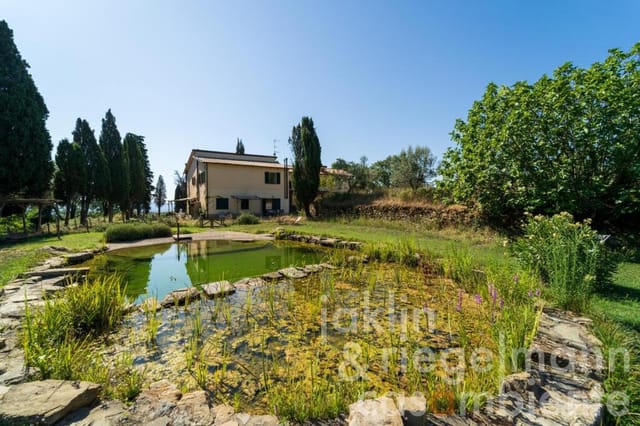
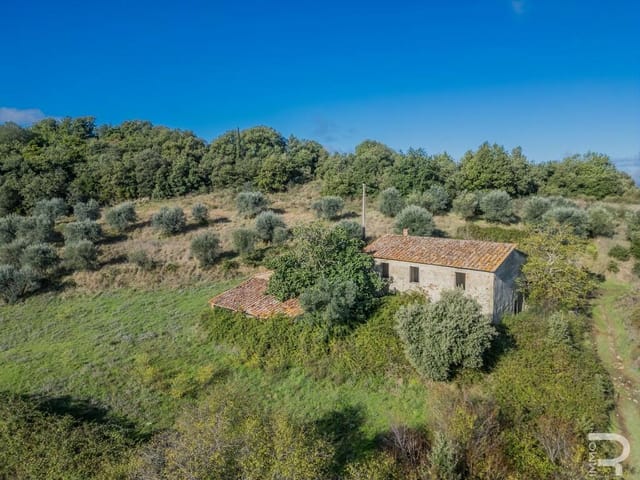
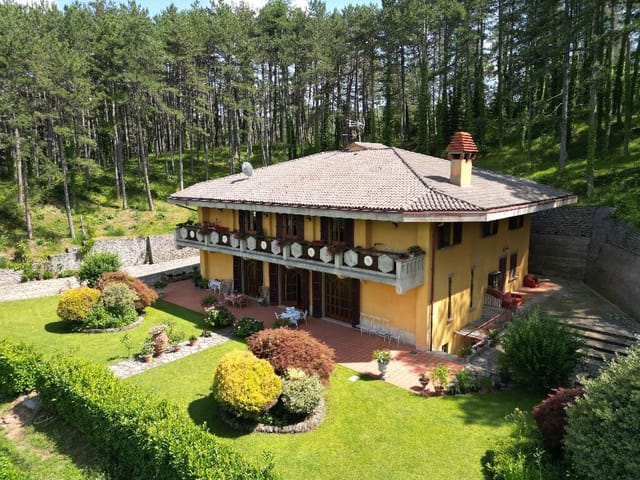
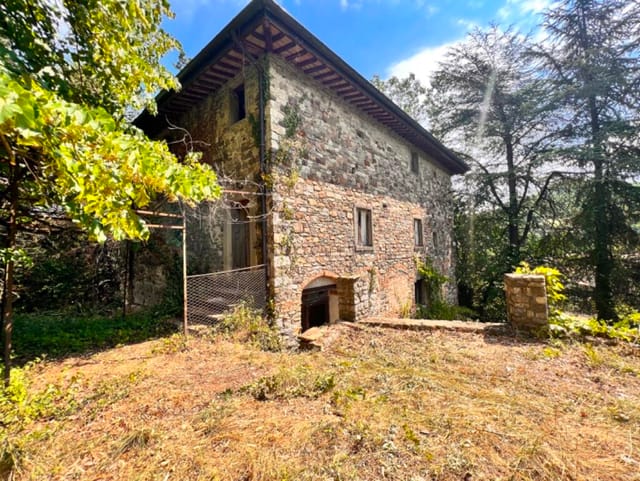
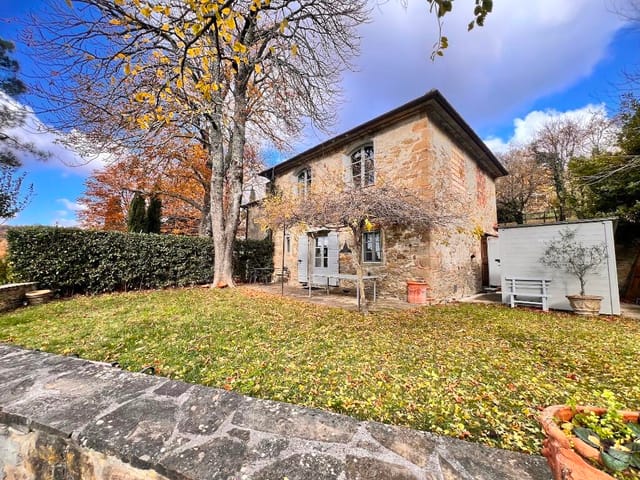
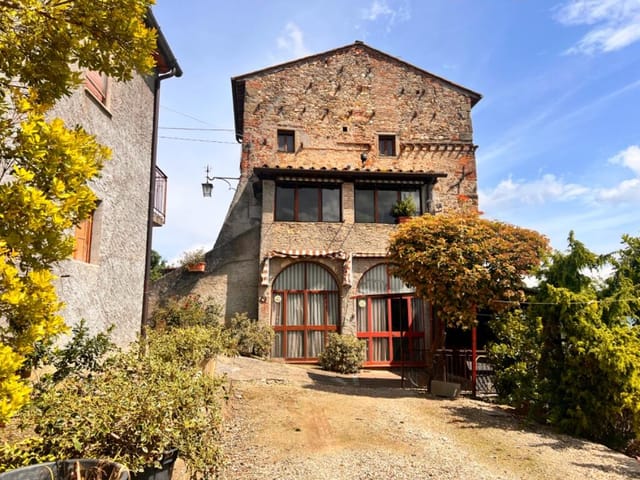
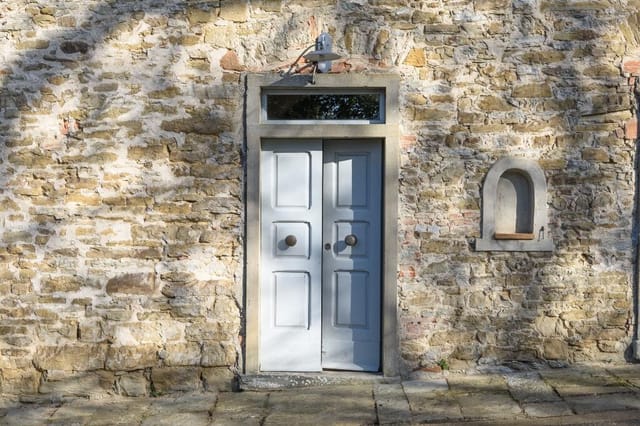
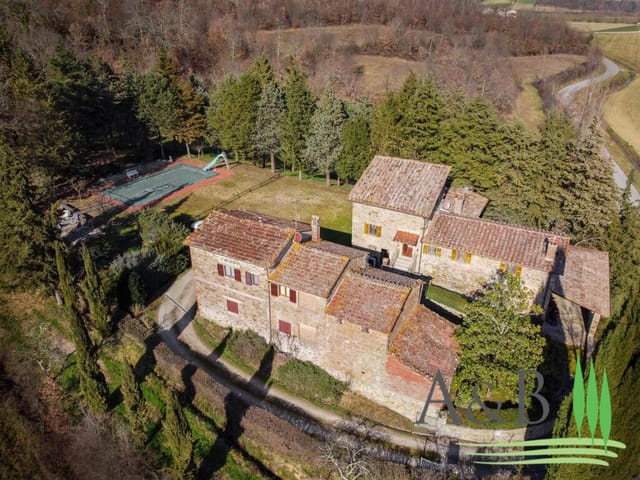
This three-bedroom stone estate in Subbiano, roughly 20 minutes southeast of Arezzo in the upper reaches of the Casentino valley, is not a cosmetic renovation project dressed up with a fresh coat of paint. It is a genuine opportunity: a main farmhouse plus two ancient stone barns sitting on just over six hectares of land, currently in good structural condition and waiting for a buyer with vision. The bones are honest. The location is quietly exceptional.
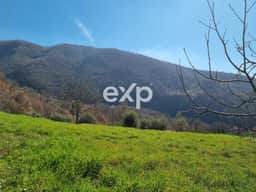
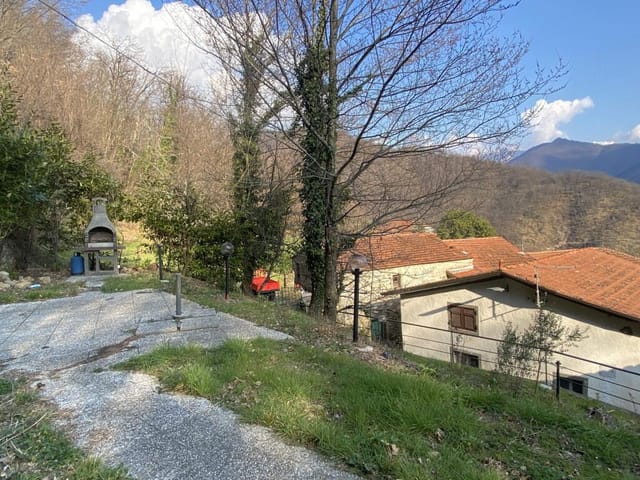
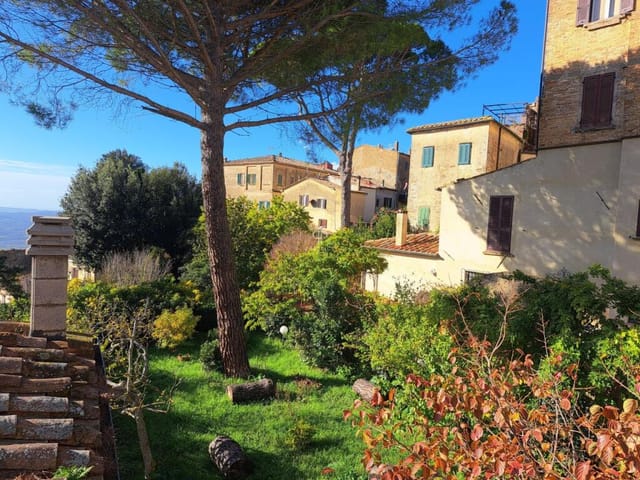
The property sits on an elevated position above the village of Vogognano, part of the Subbiano municipality. That elevation matters. You get unobstructed views across the valley toward the forested flanks of the Casentino National Park — one of Italy's least-trampled protected areas, covering more than 36,000 hectares of beech, silver fir, and chestnut forest that have been growing undisturbed since the Benedictine monks of Camaldoli first set them aside in the eleventh century. On clear days after rainfall, the air smells of pine resin and damp earth in a way that genuinely stops you mid-thought.
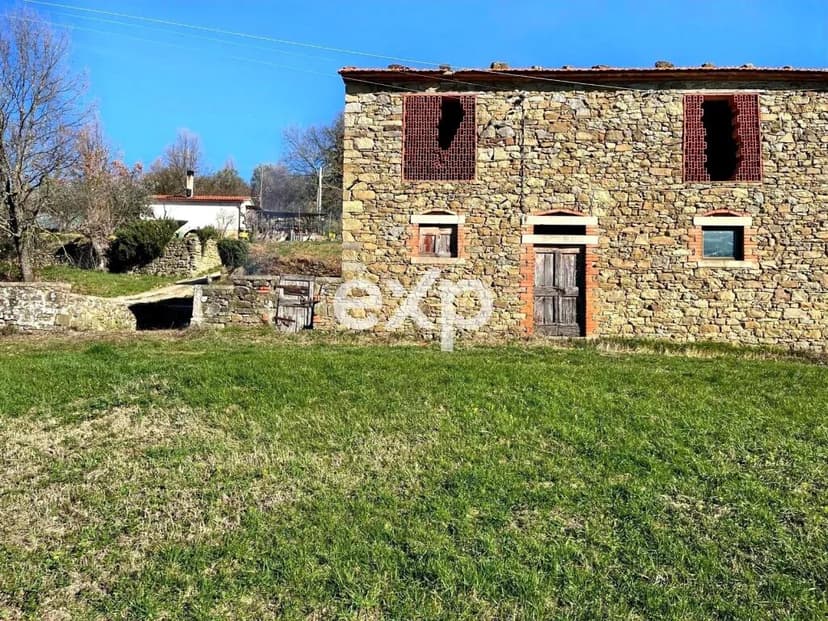
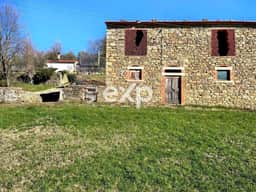
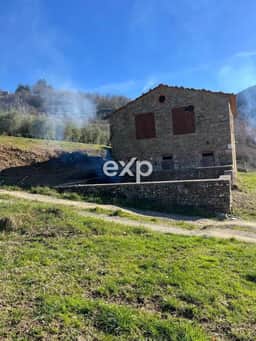
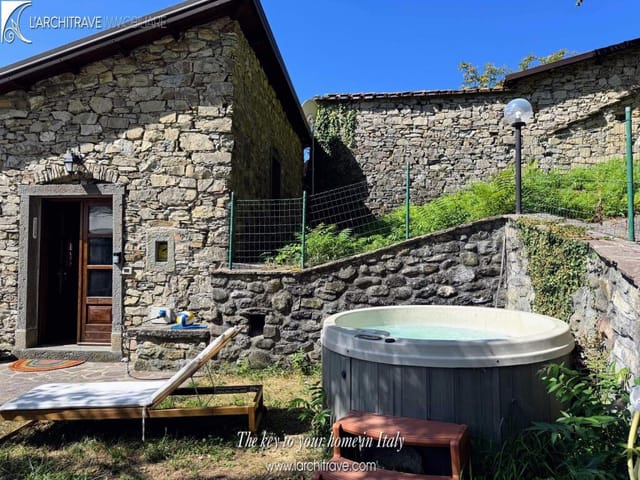
The complex spreads across two levels. The main house anchors the estate, with the two former barns — sturdy, thick-walled structures that kept grain dry through centuries of Tuscan winters — sitting close by. Together they total 495 square meters of internal space, which is a serious amount of room to work with. The configuration lends itself naturally to several futures: a single generous private residence, a combined home with separate guest quarters, or a small-scale agriturismo with the kind of agricultural credibility that comes from an actual working olive grove rather than a few decorative trees planted for effect. Over 100 olive trees are currently in production on the estate, yielding Tuscan extra virgin oil that you can press, bottle, and use yourself — or sell locally.
Six hectares surrounds the buildings. Parts are already cultivated; parts are open enough to imagine a kitchen garden, an orchard extension, or simply left as the kind of wild meadow that fills up with poppies in May and crickets in August. There is space here that city buyers rarely encounter without paying considerably more for it.
Daily life in Subbiano is straightforward in the best sense. The town itself — a ten-minute drive down the hill — has a supermarket, a pharmacy, a post office, and a train station. That last one is more useful than it sounds. Arezzo is about 20 minutes by road or by rail, and Arezzo sits directly on the main Florence-Rome line, meaning you can be at Santa Maria Novella station in under an hour on the Frecciarossa. Rome Termini is roughly 90 minutes. For a property this rural, the connectivity is genuinely good.
Arezzo itself deserves more credit than it typically gets from buyers focused on Florence. The city's Piazza Grande is one of the most architecturally coherent medieval squares in all of Tuscany — and on the first Sunday of every month (and the preceding Saturday), the Fiera Antiquaria fills it with antique dealers from across Italy. The cooking in Arezzo leans toward the robust: pappardelle al cinghiale, scottiglia di carne mista slow-cooked with wine and herbs, grilled Chianina beef from cattle raised in the valley you can see from this property's windows. The Giostra del Saracino, a jousting tournament held twice a year in Piazza Grande, draws the whole city into medieval costume and genuine competitive fever. This is not a tourist pageant — the four city quarters take it seriously.
Deeper into the Casentino, the cultural geography gets richer. The Franciscan sanctuary of La Verna, perched on a sheer rocky outcrop above the forest, is where Saint Francis received the stigmata in 1224. The monastery of Camaldoli, founded in 1012, still functions as a living religious community and sells its own herbal liqueurs and honey from the church pharmacy — a small, strange, completely authentic Tuscan experience. Poppi's castle, one of the best-preserved Ghibelline fortresses in central Italy, is about 25 minutes north. None of these feel like tourist traps because they are not. They are simply places where history never quite left.
For outdoor activity, the Casentino National Park offers hundreds of kilometers of marked trails. The Alta Via dei Parchi long-distance route passes through. Mountain bikers use the forest roads year-round. In late spring, the beech forests are a specific shade of new green that is genuinely difficult to describe to someone who hasn't seen it. Autumn brings the deer rut — you'll hear them from the property on still evenings in September.
For international buyers considering this as a vacation home or second residence in Tuscany, a few practical notes. Italy's property market in rural Arezzo province offers considerably better value per square meter than comparable properties in Chianti or the Val d'Orcia, and the Casentino specifically has seen growing interest from Northern European and American buyers over the past several years without yet tipping into the price inflation seen further west. The agriturismo licensing pathway in Tuscany is well-established and, with the working olive grove, this estate already meets one of the key agricultural activity requirements. A local geometra and notaio can guide international buyers through the purchase process, which is straightforward for EU and non-EU nationals alike.
The price — €180,000 for 495 square meters and over six hectares of Tuscan hillside — reflects the renovation investment ahead, and that is priced honestly into the asking figure. This is not a property you move into next month. It is one you build a version of your future life around, at whatever pace suits you.
Key features at a glance:
- Three-bedroom stone farmhouse plus two historic barn annexes totaling 495 sqm
- Over 6 hectares of land including a working olive grove with 100+ trees
- Elevated panoramic position above Vogognano with views to Alpe di Catenaia
- Good structural condition — ready for interior renovation and personalisation
- 10 minutes by car to Subbiano town (supermarket, pharmacy, train station)
- 20 minutes to Arezzo city centre and its mainline rail connections
- Florence reachable in under 1 hour via Frecciarossa high-speed train
- Direct access to Casentino Forests National Park trails and mountain biking routes
- 25 minutes from Poppi Castle and the monastery of Camaldoli
- Potential for agriturismo or farm-stay conversion with existing agricultural credentials
- Three bathrooms across the complex
- Genuine rural privacy without remoteness
- Strong value-per-sqm compared to Chianti and Val d'Orcia equivalents
- No active agricultural machinery or livestock required to maintain current olive production
If you want to understand what owning this estate would actually feel like, come in late September when the light turns amber and the olive nets go down. Reach out through Homestra to arrange a private viewing — the property is best experienced in person, and the valley is at its most persuasive this time of year.