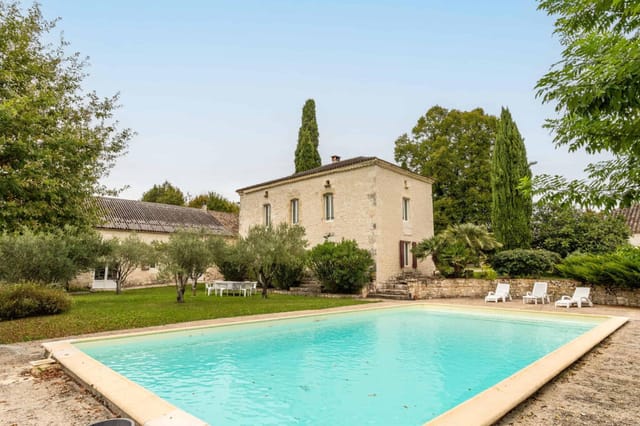
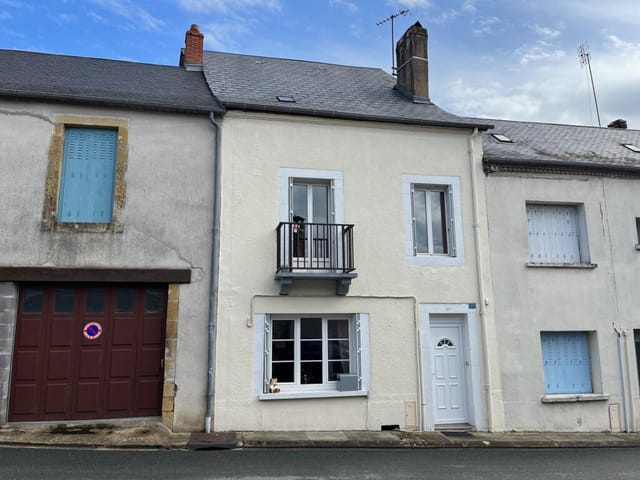
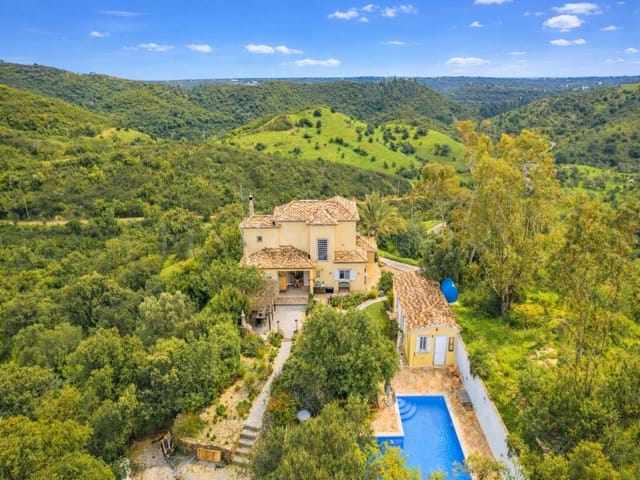
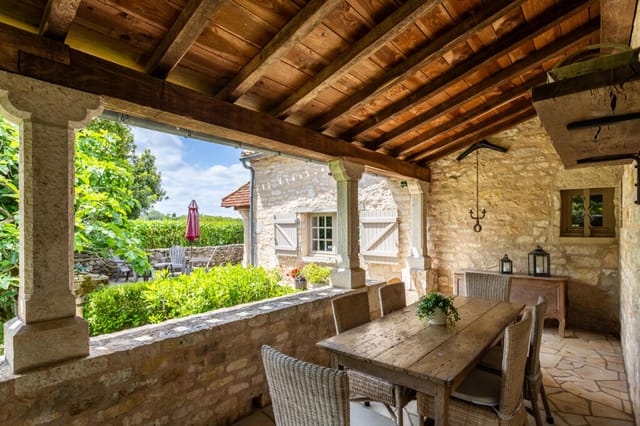
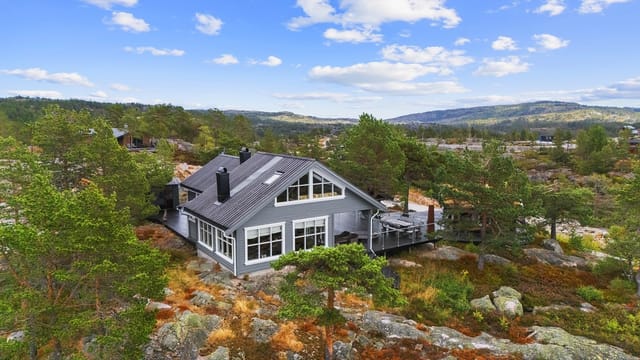
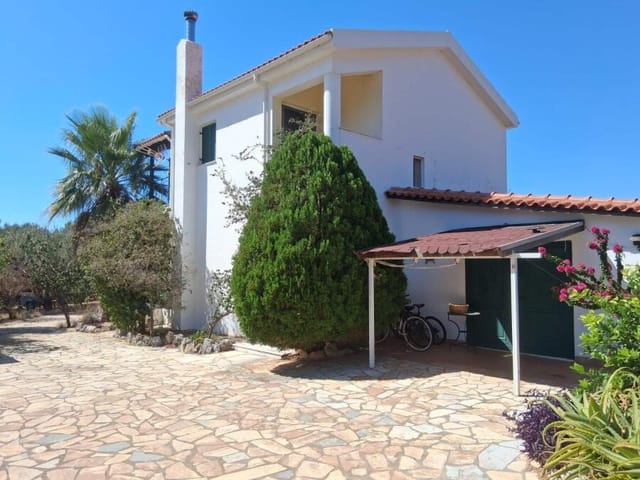
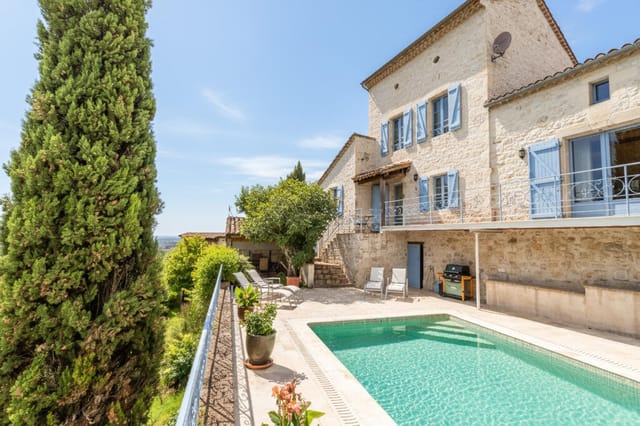
Houses For Sale In Europe

Houses for sale in europe - homestra offers the largest amount of european real estate with over 200,000+ properties, find any type of property within your budget from villas to country homes. buy or rent your perfect home in europe.

Step through the gate on Chaamseweg on a Saturday morning in late spring, and the first thing you notice is the silence. Not the silence of isolation — the silence of land. Twenty thousand square metres of it, rolling out in every direction in shades of green that shift with the light. Somewhere near the animal meadow, a donkey ambles along the fence. The smell of cut grass drifts through the open kitchen window. This is Meerle, and it gets under your skin fast. Set in the Flemish Kempen countryside just a stone's throw from the Dutch border, this four-bedroom detached villa on Chaamseweg 79 is the kind of property that makes you reconsider what a second home can actually be. At 536 square metres of living space — and with a substantial 380m² multifunctional outbuilding that locals know affectionately as 't Schuurke — this isn't a weekend bolt-hole. It's a proper estate, the sort of place you buy and never quite want to leave. The approach alone sets the tone. A long, sweeping driveway frames the house before you even reach the front door, flanked by mature hedgerows that deliver genuine privacy from the road. Inside the main villa, the entrance hall has that grounded, unhurried quality you find in houses built with care: original brick floor tiles underfoot, sleek plastered walls, and a cloakroom niche tucked neatly to one side. It tells you immediately that the people who kept this house took pride in it. The living room — roughly 38 square metres — has a bay window looking out over the rear garden and an open fireplace that makes winter weekends here feel genuinely restorative. This flows naturally into a study with windows on three sides, the kind of room where you could actually get work done or lose an afternoon ... click here to read more

Front view of Chaamseweg 79
New

Step outside on a Tuesday morning in early July, coffee in hand, and the Baltic is right there — glinting through the pine trunks, less than fifty meters from your front door. The air smells of salt and warm resin. A boat is heading out from the marina. Yours is tied up in your own private berth, waiting. This is what a morning at Havsvägen 32 looks like. Furuvik sits on a slender tongue of land along the Gävle coast, about 12 kilometers south of Gävle city center — far enough that the summer crowds haven't taken over, close enough that you're never truly cut off. It's the kind of spot that Swedes pass down through families rather than advertise. A quiet residential road, a handful of houses, and then the sea. Havsvägen is exactly what the name says: the sea road. The property itself occupies a remarkable 3,786 square meters of coastal land. That's not a typo. On this stretch of the Swedish coast, a plot this size with direct water proximity doesn't surface often. The main holiday house dates from 1950, built in the solid, unpretentious style of Swedish sommarstugor from that era — roughly 79 square meters across five rooms, sitting back from the lane with mature trees wrapping around it on three sides. It's in good condition, functional, and completely livable right now. But the real story here is what the land makes possible. Several smaller guest cottages dot the lot, handy for the extended family visits that inevitably happen the moment you own a place like this. Cousins from Gothenburg, friends from abroad — Swedish summer hospitality runs deep, and having a spare cabin means you never have to choose between hosting and having your own space. The whole compound has a slightly rambling, unhurried quality that feel ... click here to read more

Exterior view of the house and lot
New

Picture this: it's a Saturday morning in late June, and the smell of ripe cherries drifts in through the kitchen window at Tredje Gatan 5. The garden is already warm. You step outside in bare feet, pick a handful of fruit straight off the tree, and walk down toward Lake Båven with a thermos of coffee before most of the village has stirred. This is what owning a second home in Sparreholm actually feels like—unhurried, real, rooted in the Swedish countryside in a way that no city apartment can replicate. The house itself sits on Tredje Gatan, a quiet residential street in the heart of this small Södermanland community, about 100 kilometres southwest of Stockholm. It's a single-storey home with a basement, 71 square metres of living space, and a 760-square-metre plot that wraps around it with the kind of gentle, lived-in character that takes years to cultivate. Apple, cherry, plum, and pear trees dot the garden—not as ornamental decoration, but as working trees that produce real fruit through the summer and into autumn. Summer water supply runs from May through October for irrigation, so keeping the garden going doesn't demand heroic effort. Recent years have seen solid investment in the fabric of the building. A new air-to-water heat pump was installed, the electrical system was rewired, and interior surfaces were freshly painted and updated. These aren't cosmetic upgrades—they're the kind of infrastructure work that makes a home genuinely comfortable through a Swedish winter and energy-efficient year-round. The indoor climate is stable. You're not walking into a project; you're walking into somewhere that works. The layout is simple and honest. The main floor carries the living room, kitchen, dining area, two bedrooms, ... click here to read more

Exterior view of the house and garden
New

On a still July morning, you pull on your sandals and walk 250 meters down a quiet gravel path through the birch trees. The lake is glassy. You're the first one in. This is Yxtasjön, and it's essentially your front yard. That's the kind of daily rhythm Hägerbovägen 6 makes possible. A solid, well-kept 1965 house on a 3,680 square meter plot in Yxtaholm, one of the more quietly coveted pockets of Flen municipality in Södermanland — about 120 kilometers southwest of Stockholm along the E20. Three bedrooms, 104 square meters of living space, a wood-burning stove crackling in the corner come October, and more outdoor room than most people know what to do with. Swedes have been quietly holding onto places like this for generations. And they're not wrong to. The house itself is genuinely move-in ready. The interior has been freshly painted throughout — white walls that bounce light around the rooms rather than absorbing it. Large windows face the greenery, and on a summer afternoon the effect is something close to living inside a forest. The main living room is generous, anchored by a newer air-source heat pump that handles both heating and cooling efficiently across all four seasons, and the wood stove supplements it beautifully when January temperatures drop into the minus digits and you want actual warmth, not just circulated air. The kitchen has enough counter space to be functional, modern appliances, and real storage — not the kind of Swedish summer cottage kitchen where you're fighting over drawer space every morning. Three bedrooms sleep family and guests comfortably, and the bathroom covers everything you'd need for extended stays. Out back, the 3,680 square meter plot is the real conversation. Mature trees — mostl ... click here to read more

Front view of the house and garden
New

The first thing you notice on a July morning at Sirkelvatnet is the silence. Not the absence of sound, but a particular quality of quiet that you only find above the treeline in Arctic Norway — the soft slap of water against a wooden rowboat, a single bird call bouncing off the far shore, the creak of the terrace boards under your feet as you step out with coffee in hand. The lake sits below you, absolutely still, reflecting the birch-covered hillsides in a mirror that doesn't break until you toss a line in. That's what Sirkelvatnet 57 actually delivers. Not a brochure fantasy — a real cabin life, the kind Norwegians have been quietly enjoying for generations while the rest of Europe didn't quite catch on. Sitting at roughly 300 metres above sea level outside Narvik, this single-bedroom mountain chalet was built in 1997 and covers 41 square metres of total usable space — 29 square metres in the main cabin, plus a 12-square-metre annex that contains a separate WC. Compact, yes. But smartly laid out, with every metre doing real work. The wood stove anchors the living area and becomes the social centre of the cabin from September through May, throwing heat and light while the snow builds up outside. Big windows face the water. You arranged your mornings around that view before you even unpacked. The leasehold plot stretches across 994 square metres, giving you genuine breathing room — a proper garden area, space to park, room to move. And then there's the boathouse. The sale includes a 50% share in a naust sitting close to the parking area, which comes with a rowboat. That boat changes the character of the property entirely. Cross to the far bank in twenty minutes. Drop a fishing line for Arctic char and trout in a lake ... click here to read more

Welcome to Sirkelvatnet 57! - Photo: Hanna Linnea Kristensen
New

Step outside on a February morning and the cross-country ski trail is literally at the edge of the garden. No bus, no car park, no queue. Just fresh tracks across the marsh and the kind of cold air that makes your lungs feel alive. That's the daily reality at Kremlavägen 5 in Lindvallen — one of the most practical, genuinely versatile mountain properties to come onto the market in Sälen's prime ski zone in years. Sälen doesn't get the international attention it deserves. Swedes know it well — this is where the Vasaloppet ski race ends its 90-kilometer journey from Sälen to Mora every March, drawing 15,000 skiers and creating an atmosphere unlike anything else in Scandinavia. But beyond that iconic event, the wider Lindvallen area operates at full pace from November through April, with downhill slopes, lit cross-country tracks, and the ski-and-swim bus running circuits that connect the valley's resorts. In summer, the same roads and trails flip their purpose entirely: mountain bikers take over, hikers tackle the marked routes up towards Städjan and Nipfjället, and the long Nordic evenings stretch past 10pm. The property itself sits in the Gubbmyren part of Lindvallen, which matters because this pocket of the valley has managed to hold onto its natural character. The marsh that runs alongside the garden isn't just scenery — it's where the cross-country groomed track passes directly, making ski-out access a literal fact rather than a marketing stretch. On still mornings you hear reindeer moving through the birch trees on the far side. In peak autumn, the marsh turns rust and amber, and the smell of cold peat drifts in through the kitchen window. The house is split across two connected residential units totalling 111 squa ... click here to read more

Exterior view of the house in winter
New

Picture this: it's a Saturday morning in February, the kind where the snow is still falling in fat, lazy flakes outside the window. You're wrapped in a blanket on the sofa, the wood-burning stove crackling in the corner, a mug of coffee warming your hands, and through the glass you can see the white outline of Trysilfjellet's slopes in the distance. Nobody has to be anywhere until they want to be. That is the daily reality of owning this two-bedroom chalet with a fully independent annex at Bjønnåsen Hyttegrend 102 in Trysil — and it doesn't get old. Set at 606 metres above sea level in the well-established Bjønnåsen cabin community, this 153-square-metre property sits on a generous 1,062-square-metre plot. It's a proper mountain chalet — warm timber panelling, underfloor heating underfoot, a layout that actually makes sense for family life. Not a weekend box. A place you'll find yourself driving to on a Thursday evening just to get an extra day in. Trysil is Norway's largest alpine ski resort, and that matters more than people realise when they're shopping for a Norwegian mountain holiday home. The ski season here runs reliably from late November through to April, with 68 slopes and 31 lifts spread across Trysilfjellet. The groomed cross-country trail network starts just 250 metres from your front door — a five-minute walk in ski boots — and links into hundreds of kilometres of prepared tracks threading through the birch forests above the valley. Ski hire, ski school for the kids, slope-side restaurants serving reindeer stew and warm cloudberry desserts: it's all within a short drive or a ski run away. In winter, the resort buzzes. Weekends bring Norwegian families from Oslo, Stockholm and beyond, yet Bjønnåsen itself ... click here to read more

Welcome to Bjønnåsen Hyttegrend 102!
New

Picture this: early morning at Trevatn, the lake so still it mirrors the pine forest on the opposite bank. You step out onto the terrace in wool socks, coffee in hand, and the only sound is the occasional knock of a woodpecker somewhere deep in the trees behind the cabin. This is what you bought. Not a postcard. The real thing. Built in 2023 and sitting on a private 1,664 square metre plot along Ringstadvegen in the small community of Fall, Søndre Land, this compact log cabin is one of the more honest things you can own in Norway. No grand claims, no fluff — just good timber construction, a wood-burning stove that heats the place in under twenty minutes, and a boat place on the water that gets used from ice-out in late April right through to the first frost. At 167,000 EUR, it's among the most accessible entry points into genuine Norwegian lake cabin ownership you'll find on the market today. The main structure covers 23 square metres of efficiently arranged interior. Open-plan by necessity and by design, the living area doubles as a dining and gathering space, with large windows framing the lake and the ridgeline beyond. Late afternoon light in July slants through those windows at an angle that makes the whole room glow amber. The wood stove sits at the heart of it — a cast-iron Jøtul, the kind you find in every serious Norwegian hytte — and in October, when the birch leaves turn and the air has that particular sharpness, you'll understand exactly why this culture has always been built around fire and water. The separate annex is where this property earns its character. It houses a proper sauna — not a decorative one, but the kind you heat up for an hour before you go in, the kind where the löyly (that hit of steam w ... click here to read more

Picture 1
New

Step out onto the south-facing terrace at seven in the morning, coffee in hand, and the Spind peninsula spreads out in front of you — still water, pine-covered islands, and a sky that turns pink and gold over the Lista flatlands before the rest of Norway wakes up. This is what 100 meters from the sea actually feels like. Not a marketing line. A daily reality. Bjørnevågsveien 268 sits in Spind, one of the quieter corners of Farsund municipality on Norway's southwest coast — an area locals call Sørlandet, the sun coast. And the name earns it. This stretch of coastline logs more sunshine hours than almost anywhere else in the country, and the chalet's orientation captures nearly all of them. The 115 square meters of wraparound terrace isn't a design afterthought; it's the main event from May through September, when you're eating grilled mackerel outside at nine in the evening under a sky that refuses to go dark. Built in 1986 and kept in genuinely good condition, the chalet covers 69 square meters across a smart, practical layout. Three bedrooms sleep the family or a group of friends without anyone feeling like they drew the short straw. The living room is anchored by a wood-burning stove that earns its keep the moment October arrives — there's something about the smell of birch smoke drifting through an open window on a grey autumn afternoon that makes you understand why Norwegians refuse to give up their hytter even as the temperature drops. Large windows pull the landscape inside, framing the water and the green hills beyond. Electric heating backs up the stove through the shoulder months, so this isn't a place you abandon after the summer crowds thin out. The kitchen is open to the living and dining area, which matte ... click here to read more

Welcome to Bjørnevågsveien 268!
New

At six in the morning, the lake is perfectly still. You pull open the cabin door and the smell hits you first — pine resin, cold water, something faintly mossy and alive. Lake Øyangen sits maybe thirty meters below you, catching the early light in that particular way Norwegian lakes do in summer, like hammered silver. There are no cars. No notifications. Just the low knock of a woodpecker somewhere in the treeline and the sound of your coffee starting to bubble on the gas stove inside. This is Øyangen 24. A four-bedroom mountain chalet sitting at roughly 580 meters above sea level in the Nordmarka highlands outside Hønefoss, about an hour's drive northwest of Oslo. It's the kind of place Norwegian families have fought over for generations, and it's rare to see one like this come available. The chalet was built in 1962 and it wears its age well. Sixty-plus years of Nordic winters and summers have given it the kind of settled, solid character you don't find in new builds. The bones are good — well maintained, structurally sound, the sort of condition where you can walk in on a Friday evening and actually relax rather than make a list of everything that needs fixing. The 80 square meters of interior space is used efficiently: four proper bedrooms, a generous living room with a vaulted ceiling that gives the whole main area a lifted, open feel, and a kitchen fitted with painted pine cabinetry that looks exactly right in a cabin like this. That vaulted ceiling in the living room is one of those details that changes how a space feels. It pulls your eyes upward. It makes the room breathe. Pair it with the wood-burning stove — which throws out serious heat on a January evening when the temperature outside drops to minus fifte ... click here to read more

Front view of the cabin at Øyangen 24
New

The first thing you notice on a summer morning at Skyttsveden 39A is the light. It comes in low through the big windows, catches the surface of Lake Väsman about 150 meters down the slope, and turns the whole room the color of warm honey. By eight o'clock you're already pulling on your shoes for the walk to the water. That's just life here — quiet, unhurried, and genuinely good. Sunnansjö sits in Dalarna, the province that Swedes themselves treat as the country's emotional heartland. Midsommar is taken seriously here. Maypoles go up in the meadows, fiddle music drifts across the water, and the smell of wild strawberries and woodsmoke is so thick you could bottle it. This isn't a region performing its identity for tourists — it's just how things are. Owning a holiday home in this part of Sweden means buying into a way of life that most people only read about. The house itself was built in 1983, single-storey and solid, and it's been looked after with obvious care. Freshly renovated, it has solid wooden floors throughout, pale walls that stay cool even in July heat, and a layout that makes the most of every one of its 54 square metres. Two bedrooms sit on the entrance level — one easily doubles as a study or reading room — and above the main living space there's a sleeping loft that kids immediately claim as their own. The loft isn't counted in the official floor area, which means the actual usable space feels noticeably larger than the figures suggest. The living room is the heart of things. The windows face the lake and on grey November afternoons, when the birch trees have dropped their leaves and frost is forming on the grass, the approved fireplace in the corner earns its keep completely. There's a new air-to-air h ... click here to read more

Front view of the house with garden and lake in the background
New

Step out onto the south-facing terrace at seven in the morning, coffee in hand, and the entire Härjedalen mountain range spreads out in front of you — ridge after ridge catching the first light, valley floor still in shadow. That's the view from Högåsvägen 43, every single day. Built in 2021 on one of Kilberget's most elevated plots, this 145-square-metre country home sits high enough that direct sun tracks across the terrace from breakfast until dusk, winter or summer. Vemdalen doesn't get talked about as much as Åre or Sälen, which is precisely the point. It's a real village — with a Coop, a school, restaurants, and year-round residents — sitting in the gap between two ski resorts. Vemdalsskalet is 15 minutes by car. Björnrike is just as close in the other direction. Most owners here pick one or the other resort on a given day depending on snow conditions and mood. In between ski days, the lit cross-country tracks that run right through the village are the kind of low-key local perk that doesn't make it onto resort maps but gets used constantly. Winter here runs long and reliable. Snow typically settles by November and holds through April. On groomed morning runs at Vemdalsskalet, the first lift often has only a handful of people — a far cry from the queues at Sälen on a February Saturday. Come back to this house, hang your kit in the garage (which has ski boot warmers and an EV charger installed), light the stone-clad fireplace that anchors the living room, and the afternoon takes care of itself. That fireplace is worth dwelling on. It's floor-to-ceiling, clad in rough stone, and it pulls the whole open-plan ground floor into focus. The ceiling climbs to the roof ridge — the kind of volume that would feel extravaga ... click here to read more

Exterior view of the house and terrace
New

Step outside on a Saturday morning and the air smells like cut grass and river water. The Ems valley is quiet at this hour — just birdsong, the distant hum of a tractor somewhere toward Lathen, and the soft creak of the garden gate as you carry your coffee to the first of three terraces. This is Johannesstrasse 3, Niederlangen Siedlung, and mornings like this are what the house was built for. Constructed in 2009 to a high standard, this five-bedroom detached home sits on a generous 1,630 square metre plot in one of the most quietly underrated pockets of northwestern Germany. It's close enough to the Dutch border — about ten minutes by car — that you can drive to Ter Apel for Dutch cheese and stroopwafels before lunch, then be back in time to fire up the gas fireplace and settle into the 56-square-metre living room before the afternoon fades. That kind of easy, dual-country rhythm is a genuine lifestyle perk here, and it's one you simply don't get in more obvious destinations. The house itself is 286 square metres of well-considered interior space spread across two full living levels and an attic. On the ground floor, a broad entrance hall opens into the main living room — south-facing garden doors pull in daylight from morning to dusk, and when those doors are open in July, the line between inside and outside essentially disappears. The fitted kitchen spans 15 square metres with a central cooking island that earns its keep; this isn't a galley you squeeze past, it's a space where four people can prep a meal simultaneously without bumping elbows. A 11-square-metre utility room sits just off the kitchen with its own exterior door, which means muddy boots and wet coats from a day cycling the Ems-Radweg never make it past ... click here to read more

Front view of Johannesstrasse 3
New

Sunday morning in Lanaye sounds like this: a coffee machine hissing to life behind the bar, wooden shutters swinging open over the rear terrace, and the faint chime of bells drifting across from the Dutch side of the Meuse valley. You're standing in your own kitchen — a professional one, twelve gas burners and all — and the border is a ten-minute walk away. This isn't a weekend fantasy. This is Place du Roi Albert 19, and it's one of the most quietly remarkable properties on the Belgian market right now. The building itself goes back to before 1906. That age shows in the best possible ways: thick walls that hold the cool in summer, a gabled tile roof that's seen more than a century of Meuse valley winters, and the kind of proportions you simply don't get in new construction. At 159 square metres spread across three floors, it divides cleanly between a ground-floor café/brasserie of 75 m² and a private residential section of 83 m² above, each with its own entrance. Live upstairs, run a business downstairs, or rethink the whole layout — the building has the bones to handle any of it. The café itself is genuinely equipped. Not "has a coffee machine" equipped — we're talking a 12-burner gas stove, a salamander grill, a griddle, a convection oven, and a bar setup with a four-door cooler, wine on tap, and an ice maker. The front and rear terraces together seat 36 guests, and there's a realistic possibility of expanding the terrace footprint across the quiet street, which would push capacity higher. The rear terrace faces east. Morning light, private, sheltered. Exactly where you want to be with a coffee before service begins. Climb the private staircase to the first floor and the pace shifts entirely. The living room is gen ... click here to read more

Front view of Place du Roi Albert 19
New

Step out onto a 29-square-metre terrace on a crisp October morning, coffee in hand, and watch the mist lift off Lorttjønna lake while the birch trees burn amber on the hillside. That's the kind of morning this place delivers. Regularly. This 58-square-metre chalet in the Bollo area of Tverrelvdalen, Northern Norway, is a properly functional wilderness retreat — not a weekend novelty, but a place you'll return to every season and mean it. The cabin was built in 1995 and has been kept in good condition throughout. Stained timber walls, a wood-burning stove, and large windows that pull the landscape inside — the interior has a settled, honest quality to it. Nothing feels forced or over-styled. The living room is generously proportioned for a one-bedroom cabin, with enough space to sink into a sofa after a long day on the trails without anyone tripping over each other. When the stove is going and snow is building up on the terrace railing outside, the room earns its keep in a way that no underfloor heating ever quite matches. The kitchen opens toward the living area rather than closing itself off, so whoever is cooking doesn't miss the conversation or the view. Painted cabinetry, a solid wood countertop, stove, and refrigerator — it's equipped for real meals, not just instant noodles. A dining table fits naturally between the two spaces, and with the lake visible through the glass, dinner here has a way of stretching into the evening without anyone noticing. One proper bedroom sits on the main floor. Above it, a loft divided into two rooms gives the cabin real flexibility — this is where children or extra guests go, and it works. For a couple with kids or two families sharing the property across different weekends, the sl ... click here to read more

Welcome to Lorttjønna 43!
New

Step out onto the south-facing terrace at Kvamskogen 671 on a clear February morning and count the peaks. The air bites clean and cold, Måvotsvatnet shimmers somewhere below the treeline, and from up here at 496 metres above sea level, the whole Vestland valley feels like it's been arranged just for you. This is what you drove four hours from Bergen for. Or flew into Flesland for. The quiet is total except for the occasional creak of birch branches and the distant hiss of skis on packed snow. This two-bedroom chalet sits between Kleiva and Jonshøgdi on the sun-catching south slope of Kvamskogen — a detail that matters enormously in Norway, where orientation determines whether your terrace gets three hours of winter sun or eight. Here, it's eight. The 1,433-square-metre natural plot keeps neighbours at a respectful distance, the birch trees do their thing, and the open views toward the mountains stay unobstructed. It's a 38-square-metre cabin, yes — but it earns every one of those square metres. Since 2019, the property has been upgraded with real intention: new exterior cladding, a replaced roof, modernised water and sewage connections feeding into the public network. These aren't cosmetic touch-ups. They're the foundation-level improvements that separate a cabin you can actually enjoy from one that quietly drains your weekends and your wallet. The kitchen has new upper and lower cabinets, fresh countertops, and a proper fridge-freezer. The bathroom has been fully renovated — bathtub, toilet, vanity with storage, new plumbing throughout. You arrive, you unpack, you're done. No project list waiting on the kitchen table. Inside, the wood-burning stove is the room's true anchor. Light it around four o'clock on a Saturday ... click here to read more

Front view of the upgraded cabin at Kvamskogen 671
New

Step outside on a Tuesday morning in late June, and the light on the Helgeland coast does something you won't forget. It's low and golden even at 9am, bouncing off the water just a hundred meters from your front door, and the only sounds are a few gulls riding the wind above the shoreline and the distant chug of a fishing boat heading out past Herøy. This is Seløya. Small, quiet, and absolutely real. Ormsøyveien 7 sits at the end of a cul-de-sac on this island in Nordland, about as far from the noise of city life as you can get without losing the conveniences that actually matter. The grocery store is a nine-minute walk. The ferry terminal is thirteen. And the sea — your own included seaside plot right down to the water's edge — is about a hundred steps from your door. The house was built in 1963 and still carries that particular solidity you find in older Norwegian coastal homes: thick walls, a practical footprint, rooms designed for people who actually use them. In recent years it's had significant work done. New roof, new cladding, new windows, upgraded drainage, added insulation, and an electrical system updated post-2010. It carries a D energy rating, which for a traditionally built island home with a wood-burning stove and a heat pump doing the heavy lifting, is genuinely comfortable year-round. Inside, the ground floor opens through a covered entrance into a vestibule with a sliding wardrobe — practical for the kind of life you live here, where outdoor gear rotates constantly with the seasons. The kitchen is spacious, with older cabinetry that's been freshly painted and fitted with new hardware. It flows naturally into the hallway and the living room, where a wood-burning stove sits ready for February evenings ... click here to read more
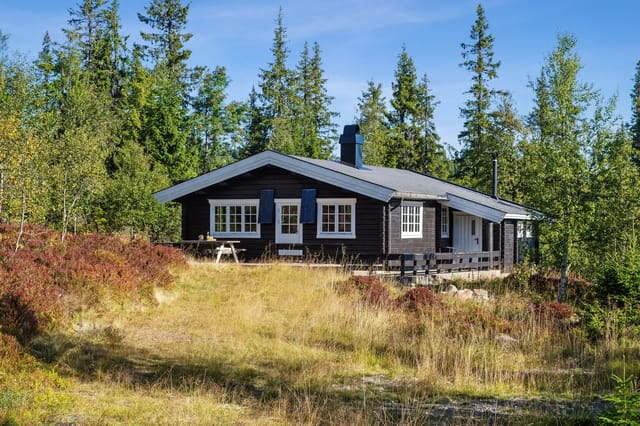
Welcome to Ormsøyveien 7 - the property is located at the end of a cul-de-sac, ensuring little passing traffic and a private setting. Seaside plot just a stone's throw away.
New

Step outside on a February morning, skis already on your feet, and glide straight into 20 kilometres of groomed cross-country trails from your own front door. The air is sharp and clean—pine and cold stone—and the only sound is the hiss of your skis and a wind moving through the spruce tops. This is what daily life looks like at Vesseseterveien 557. Built in 2022, this two-bedroom chalet sits in the Vessesetra cabin area just outside Kyrksæterøra in Trøndelag, one of Norway's most quietly celebrated recreational regions. It hasn't been lived in. Everything is fresh—the cabinetry, the floors, the bathroom fittings—and it's ready to walk into without a single project on your to-do list. The main floor covers 66 square metres and does the work of a much larger space. Large windows pull the surrounding terrain right into the living room, so the view of the hillside becomes part of the interior. A centrally placed wood-burning stove anchors the room—the kind that earns its keep on October evenings when the temperature drops fast and you've just come off the trails. The layout is open enough that conversation flows easily between the kitchen and the sofa, which matters when you've got friends or family visiting for a long weekend. The kitchen carries Fossline cabinetry, and every integrated appliance comes with the sale. No sourcing, no fitting, no waiting. It's a proper working kitchen, not an afterthought, with enough counter space to actually cook in. The Norwegian tradition of cabin food is its own thing—slow-braised elk stew, freshly baked flatbread, lefse on a Sunday—and a kitchen like this is built for exactly that kind of unhurried cooking. Both bedrooms are on the main floor, well-proportioned and quiet. The bathr ... click here to read more
Newly built cabin with a beautiful location in Vessesetra, Kyrksæterøra.
New

The first thing you notice on a Friday evening arrival is the silence. Not the uncomfortable kind—the kind that has depth to it, layered with the creak of pine, the distant pull of the Lagan river, and maybe a woodpecker going at a birch somewhere in the 5,000-square-meter plot that's entirely yours. You cut the engine, step onto the gravel, and already the week behind you starts to dissolve. Skogsstugan—"the forest cottage"—at Putsered 64 outside Knäred is the kind of second home that Swedes have quietly kept to themselves for generations. A proper year-round house, not a draughty summer shack. Built in 1974 and significantly extended in 1996, the 77-square-meter main home has been maintained with real care: quality Traryd insulated windows, a bathroom that was fully renovated in 2011, a heat pump installed for modern efficiency, and a Vissenbjerg wood-burning stove that makes winter weekends here genuinely cozy rather than just survivable. The wooden floors, paneled ceilings with wainscoting, and wallpapered walls give the interior a Scandinavian warmth that you don't get from places renovated to look like an IKEA showroom. This is a home with character that's earned rather than staged. The open-plan living room, dining area, and kitchen form the social heart of the house. Large panoramic windows and double patio doors—new ones, high quality—open directly onto a stone-paved terrace laid in Öland limestone. On summer mornings, that terrace catches the light early. The covered section, roughly 12 square meters, has an outdoor kitchen, which means you're frying fish straight from the Lagan regardless of what the weather's doing overhead. The Kvik kitchen inside, fitted during the 1996 extension, comes with wooden counte ... click here to read more
Front view of Skogsstugan Putsered 64
New

Stand at the kitchen window on a October morning and watch the mist lift off the birch trees at the edge of your nearly nine-thousand square metre lot. The wood stove in the corner is already ticking with warmth. The coffee is on. Beyond the treeline, Lake Summeln sits about a three-minute walk away, still and grey-green, waiting. This is the particular kind of quiet that people from Stockholm or Amsterdam or Hamburg spend years trying to find—and here it already comes with the house. Rud Byggningen is a 1909 farmstead-style home on the outskirts of Säffle in Värmland, Sweden's great inland lake county. The building has the solid, unhurried bones of Swedish rural construction from that era: thick walls, steep roof, a floor plan that was designed around actual living rather than architectural showmanship. Over the decades it's been updated carefully rather than gutted—the 2022 bathroom renovation brought in clean, contemporary fittings without turning the place into something soulless, and a newer air-source heat pump keeps running costs sensible year-round. The original wood-burning stove in the hallway, though? That stays. There's no good reason to remove the one thing that makes January feel like a pleasure rather than an endurance test. The house runs to 108 square metres of main living space across four rooms plus kitchen, with an additional 48 square metres of secondary space—utility rooms, storage, the kind of square footage that quietly absorbs the overflow of family life. Three bedrooms sit at the upper level, each genuinely private, each with the countryside view that you stopped noticing after a while when you first moved in but that visitors always comment on immediately. The attic is unfinished, which sound ... click here to read more
Exterior view of Rud Byggningen
New

Step outside on a February morning and the world is completely silent except for the creak of fresh snow under your boots and the faint hiss of a wood stove doing its job inside. The ski tracks are 450 meters down the road. The coffee is still hot. This is Nipetovegen 19 — a solid three-bedroom cabin in the Nipeto area of Blefjell, sitting at 656 meters above sea level on a private freehold plot in the Numedal highlands of Kongsberg municipality, Norway. Built in 1981 and kept in genuinely good condition through consistent maintenance, this is not a fixer-upper. It's a place you can walk into on a Friday evening and feel at home by Friday night. The 64 square meters work hard — a proper living room with a fireplace, a kitchen that actually has counter space, three bedrooms, and a bathroom with underfloor heating that feels like a small luxury after a day on the trails. The 25-square-meter south-facing veranda is where you'll end up spending most of your waking hours between June and September, watching the light change over the spruce and birch that ring the property. The interior has that honest Norwegian mountain cabin feel — pine floors, wood-paneled walls, painted boards on the ceilings — but it's been updated where it matters. The balcony door and most of the windows were replaced in 2019, so you're not fighting drafts. The kitchen has deep green profiled cabinet fronts that somehow look exactly right against the forest backdrop visible through the window above the sink. There's running water, mains electricity, and a private graywater system already in place, which removes a significant hurdle for anyone who's looked at more remote Norwegian cabins and felt the headache of off-grid infrastructure. The plot is 1, ... click here to read more
Welcome to Nipetovegen 19! Photo: Arild Brun Kjeldaas
New

Picture this: a midsummer Saturday, and you're sitting on a wide southwest-facing wooden deck with a cup of coffee that's gone slightly cold because you kept getting distracted by the light. It does something particular here in Strömstad — bounces off the open landscape behind the house, turns everything amber by late afternoon, and just refuses to let you go inside. That's the daily reality of owning this 1930s house at Stora Ytten Karlslund, and it's the kind of thing you can't fully appreciate until you've experienced it yourself. Built in the 1930s and kept in genuinely good condition, this is a two-bedroom wooden house with 90 square meters of living space sitting on a 975-square-meter plot. Not a renovation project. Not a compromise. A proper Swedish house with original wooden floors, period architectural details, and the kind of proportions that newer builds just don't replicate — rooms that feel considered rather than squeezed. The large windows weren't put there for the listing photos. They're there because someone who built this place understood that Scandinavian light is precious, and you catch every last beam of it when you can. The layout is practical without being rigid. Two bedrooms handle the sleeping comfortably, and the third room flexes well — home office one weekend, guest room the next, quiet reading corner the one after that. The kitchen opens directly onto the garden deck, which matters more than you'd think. Breakfast outside in August, herb pots on the railing, someone grilling something that smells good from next door — that's the rhythm of this place in summer. The bathroom has been updated with modern fixtures while the rest of the house keeps its older bones intact, which is exactly the bal ... click here to read more
Exterior view of the house and garden
New

Step outside on a January morning, clip into your cross-country skis, and you're already on the trail. That's not an exaggeration — the groomed tracks of Budor's beloved network are literally 200 meters from the front door. The snow sits heavy on the spruce trees, the air tastes clean in a way city air never quite does, and the only sound is the hiss of your skis and the occasional wood pigeon. That's the daily reality of owning this 1940s log chalet at Budorvegen 1165 in Løten, one of Innlandet's most quietly sought-after recreational areas. Løten sits in the inland heart of Norway, about 100 kilometers north of Oslo — close enough for a Friday afternoon escape from the capital, far enough that the weekday world feels genuinely distant. The Gryllingseter area, where this chalet sits at 496 meters above sea level, has a different rhythm from the coast. Winters here are reliably snowy, reliably cold, and thoroughly Nordic in the best sense. Summers bring a softness — wildflowers along the hiking paths, long light evenings, the smell of pine warming up in June sun. The cabin itself started life around 1940 as a hunting lodge. You can still read that history in the bones of the building — the low-ceilinged basement was once used to hang and dry game, and the traditional Norwegian log construction (laftet tømmer) gives the walls a solidity and thermal mass that modern frame builds simply can't replicate. In 2009, a thoughtful extension broadened the floor plan to 41 square meters of interior living space, and suddenly what was purely a hunting shelter became a genuinely comfortable two-bedroom holiday home. The roof was replaced in both 2003 and 2009, and the exterior received a fresh stain coat in 2020 — so the structural ... click here to read more
Picture 1
New

Saturday morning in Daumazan-sur-Arize. The Pyrenees are right there on the horizon, close enough that you can pick out the snowline on the highest peaks, and the air coming through the tilt-and-turn kitchen window smells of cut grass and something faintly pine-scented drifting down from the hills. Coffee on the terrace, sunshade already tilted against the early light, and absolutely nowhere you need to be. That's the rhythm this place sets. And once you've felt it, it's hard to shake. Château Cazalères is a well-run holiday park set in the green folds of the Ariège valley, about 50 kilometres south of Toulouse. The Ariège is the kind of French department that doesn't feature on many postcard racks, which is precisely what makes it worth paying attention to. It's genuine, unspoiled, and quietly extraordinary. The village of Daumazan-sur-Arize sits along the Arize river, a slow-moving, trout-filled river that feeds into the wider landscape of the Plantaurel hills. On weekday mornings, you'll hear more birdsong than traffic. Villa 12 is a fully detached three-bedroom property on its own flat plot of 400 square metres. It's compact but intelligently laid out — 75 square metres of interior space that doesn't feel squeezed, thanks to a bright living room, a proper dining area big enough for six, and a kitchen that was fitted new in 2021 with a four-burner gas hob, dishwasher, refrigerator, and microwave. The previous owners didn't cut corners when they renovated. The bathroom is fully modernised with a walk-in shower and a towel radiator. The drainage system was replaced. New blackout curtains hang in both ground-floor bedrooms. Underfloor heating covers the ground floor, a radiator handles the upper level, and the central ... click here to read more
Front view of Residence Chateau Cazaleres 12
New

The first thing you notice, standing on the terrace at Stølane 11, is the silence. Not a dead silence — a live one. Wind moving through the birch trees, the faint knock of a hull against a wooden pier below, and somewhere across the water, a curlew. Then the smell hits: salt air, wild grass, and if the season's right, whatever's ripening in the old fruit orchard behind the house. This is Bergegrend, a rural stretch of the Fusa coastline in Vestland county that most international visitors never find. That's exactly the point. The house itself was built in 1933 and 1934, and you can feel that in the best possible way. The basement is laid with thick stone walls — the kind that keep the interior cool in July and hold warmth from the wood stove long after the fire dies down in October. An extension was added in the early 1960s, giving the layout a slightly rambling, lived-in quality that no new build can replicate. Three floors in total, spreading across 113 square meters, with two living rooms on the main floor that catch afternoon light through large windows facing the fjord. The kitchen is traditional in character, which is a feature worth preserving — this is a house that lends itself to long, unhurried meals, not quick ones. Upstairs, the loft was renovated when a former kitchen space was converted into a proper bathroom. Three bedrooms sit on this level: the largest in the center, two smaller ones flanking it. It's a layout that works naturally for families — kids or grandchildren in the outer rooms, adults in the middle, everyone with enough distance to sleep in properly. In summer, the late Norwegian light means you'll want good curtains. Worth knowing. The garden is 1,710 square meters of freehold land, and it ea ... click here to read more
Originally built as a horizontally divided semi-detached house, used as a detached house for decades
New

Step outside at seven in the morning, coffee in hand, and the only sound is wind threading through the spruce trees and the faint scrape of early-riser skiers setting off down a prepared trail 150 metres from your front door. That's the morning rhythm at Fjellverden Øst 133 — a solid, well-kept mountain chalet sitting at roughly 640 metres above sea level in Jordet, Innlandet, where Norway's outdoor life doesn't pause for seasons. Built in 1991 and maintained in good condition throughout, the chalet covers 66 square metres of genuinely livable space. Nothing wasted, nothing overdone. Three bedrooms sleep eight in total — a master with two singles and a built-in wardrobe, a second room with two bunk beds that kids will immediately claim as their territory, and a third with a single bunk for overflow guests or a solo traveller who wants their own corner. It's the kind of layout that handles a full family weekend without anyone tripping over each other, which is harder to find than you'd think at this price point. The living room is the real soul of the place. Solid wood floors, timber-panelled walls and ceiling, and a fireplace insert that throws serious heat on a February evening when temperatures outside have dropped well below zero. Large windows pull in the southern light — this is a notably sunny plot — and frame a view of forested hillside that changes from deep green in July to snow-loaded white branches by December. The kitchen sits partially open to this main room, practical rather than showy, with room for a full-size stove, fridge, and dishwasher. The dining area fits a proper family table without feeling cramped. The bathroom was refreshed in 2023 — new water heater, new toilet, and electric underfloor heati ... click here to read more
Welcome to Trysil-Knuts Fjellverden and Fjellverden Øst 133! Photo: Bernat Tubau.
New

Step outside on a still October morning and the Reichswald forest is right there — a wall of oak and beech beginning literally at the edge of the paddock. The horses are already awake. You can hear them shifting in the stables before you've put the kettle on. This is Grafwegen, a quiet village in Germany's Lower Rhine region where the pace of life is governed by seasons and saddle schedules, not commuter trains. This three-bedroom equestrian estate on Grafwegenerstrasse sits on roughly 22,250 square meters of fenced, fully operational horse property — and it's genuinely one of those places that takes a few minutes to properly absorb when you first arrive. The main farmhouse, built around 1950 and comprehensively renovated in 2004, has been divided into three independent living units totaling around 360 m² of interior space. Practical, yes. But more than that, it's versatile in a way that opens up a real range of life plans. The main house itself runs on underfloor heating beneath ceramic tiles — quietly comfortable in a way you notice most on a January evening when the temperature outside drops. Ground floor: a proper entrance hall with a cloakroom, a country kitchen fitted with built-in appliances, and a living room that catches the afternoon light well. A dedicated workspace sits off the main corridor, which matters if you're planning to work remotely or manage the property as a business. Upstairs, the master suite has a walk-in closet, a bathroom with a jacuzzi, walk-in shower, and double sinks, plus a sauna. That last detail isn't decorative — after a long morning in the saddle or an afternoon splitting firewood, it earns its keep. The first apartment occupies the ground floor of the secondary wing. Living room, o ... click here to read more
Front view of Grafwegenerstrasse 16
New

Picture this: it's a Tuesday morning in July, and you're sitting on a sun-warmed deck with a cup of coffee, watching a cormorant dry its wings on a rock twenty metres offshore. No road noise. No neighbours cutting their grass. Just the faint slap of water against the jetty below and the smell of pine warming up in the morning sun. That's what owning Risö 58 actually feels like. Getting here is part of the ritual. You drive down to Maltbacken — about fifteen minutes from Nyköping's centre — pull into your own reserved parking spot, hook up the car to the electric charger, and then step into the boat. A short crossing through the inner archipelago and you're tying up at your own dock. Every time. It never gets old. The property is made up of three separate structures arranged around a large south-facing deck that acts as the social hub of the whole place. The main cottage anchors everything — compact, efficient, with big windows on nearly every wall that track the light from morning to evening. A wood-burning stove sits in the living room and earns its keep from late August onwards, when the evenings start to cool and the archipelago takes on that particular golden-hour quality that photographers chase. The kitchen opens directly onto the deck, so whoever's cooking doesn't miss a thing — the conversation, the sunset, the kids jumping off the rocks below. Sleep eight to twelve people comfortably across the main cottage (which has a sleeping loft) and the two standalone guest cabins. The cabins are positioned with real thought — enough distance from the main building that guests get genuine privacy, and both are fitted with air-source heat pumps for heating and cooling. Light colours, simple finishes, and waking up to wat ... click here to read more
Main house and deck with sea view
New

Picture this: a Saturday morning in late June, the Ariège valley still cool from the night before, swallows cutting low over the garden as you carry your first coffee out to the rear terrace. The Pyrenees are right there — not as a distant postcard, but close enough that you can read the ridgelines. That's morning life at this detached three-bedroom villa inside the gated Château Cazalères park, and it takes about forty-eight hours before the pace of Daumazan-sur-Arize starts to feel like the only reasonable way to live. This part of the Ariège department sits in one of France's most quietly compelling corners. Not the overtouristed lavender-and-rosé Provence of Instagram, and not the ski-resort bustle of the higher Alps. This is the authentic south — working villages, medieval bastides, rivers cold enough to make you gasp in August, and a cultural calendar that rewards those who show up curious. Foix, just 25 kilometres east along the N20, has a proper three-towered château rising straight from a rocky outcrop above the town centre — the kind of thing that makes you do a double take the first time you round the bend and see it. The Saturday market under those towers sells everything from raw-milk Tomme de Brebis to Ariège honey and fat garlic braids. Toulouse is about an hour by car, which means Michelin-starred restaurants, the Capitole opera house, and flights back to Amsterdam, London, or Brussels are all genuinely convenient rather than merely technically possible. The village of Daumazan-sur-Arize itself is small, honest, and friendly to outsiders in the unsentimental way that rural French villages tend to be. Boulangerie in the morning, a bar-tabac for a pastis in the evening, a cycle route that follows the Ariz ... click here to read more
Front view of Residence Chateau Cazaleres 109
New

Six o'clock on a July morning. You slide open the terrace door and the air hits you—cool, pine-scented, with that particular stillness that only comes from being a few steps from open water. Lake Mälaren stretches out in front of you, flat and silver, and somewhere down the path you can already hear the first swimmers of the day. That is the daily reality of waking up at Braxvägen 28 on Märsön island. This is a 55-square-metre holiday home on a 1,489-square-metre plot that punches well above its size. Built in 1972 and kept in genuinely good condition across the decades, it sits at an elevated position on the island's southern face—which means both the sun and the lake are almost always in your line of sight. The orientation is not an accident. Whoever chose this spot knew what they were doing. Inside, the living room is the centre of gravity. It's a proper gathering space, not a cramped afterthought, and it flows directly into a conservatory that acts as a kind of weather-proof buffer between indoors and the lake terrace beyond. On cooler evenings—and Swedish September evenings can be genuinely chilly—the wood-burning stove earns its place fast. The crackle of birch logs, a glass of something warm, the last of the light on the water. You'll understand quickly why Swedes take their fritidshus so seriously. The kitchen is compact but fully equipped: stove, fridge-freezer, and just enough room for a small table by the window where breakfast becomes a slow, deliberate event rather than a rushed ritual. Light walls and considered wallpaper keep the interiors feeling open despite the modest footprint. One bedroom, one bathroom with a shower and composting toilet—simple, functional, and exactly right for two people who came ... click here to read more
Main house and terrace with lake view
New

Step out onto the 27-square-metre terrace at Skjettendalsveien 19 on a clear July morning and the world goes quiet — just the rustle of birch trees, a distant woodpecker somewhere in the forest below, and a view that rolls across the Trøndelag landscape all the way to the shimmer of the Trondheimsfjord. At 253 metres above sea level, the air up here has a quality you don't find in cities. Sharp. Clean. A little piney. It wakes you up better than coffee. This is Leksvik — a corner of Norway that most international buyers haven't discovered yet, which is exactly what makes it interesting right now. The chalet itself is a classic Norwegian hytte, built in 1947 and sitting on a generous private plot of 1,009 square metres on a quiet hillside with scattered neighbouring cabins. At 44 square metres of indoor living space across the main floor and a loft, it's compact in the way that Scandinavian cabins are supposed to be: everything you actually need, nothing you don't. The layout runs from a small entrance hall through two living areas and a kitchen, into a bedroom and bathroom, with the loft above offering a natural sleeping nook or reading space depending on your mood. The 18-square-metre external storage area handles the practical side of cabin life — skis, fishing rods, firewood. Speaking of firewood: there's a wood stove, and on an October evening when the temperature drops and the trees turn copper-red across the hillside, that stove becomes the centre of the whole property. Electricity and water are already connected, so this isn't a project starting from scratch. The bones are solid. What it needs is someone with a vision — updated insulation, a refreshed kitchen, a bathroom renovation — and the result is a fully p ... click here to read more
Picture 1
New

Step outside on a still October morning, coffee in hand, and the view from the covered terrace at Vechtetalstraße 41 stops you in your tracks. Open fields roll out toward the horizon, the garden is doing its slow golden turn, and the only sound is the wind moving through the mature oaks at the edge of the property. This is what 8,101 square metres of Lower Saxony countryside actually feels like from the inside. Built in the 1940s and given a substantial overhaul and extension in 1991, this four-bedroom detached house in Neuenhaus carries the bones of something solid without feeling like a museum piece. The 184 m² of living space is spread across two floors in a way that actually works — ground floor for living and entertaining, upper floor for sleeping and quiet. It's not trying to be a showpiece. It's a proper house built for real life, with room to spare. The moment you turn off the road onto the long private driveway, something shifts. The garden wraps around you — lawns, shrubs, mature trees that took decades to grow into what they are now — and the street noise disappears. Multiple terraces, including a covered one off the kitchen, mean you're outside in all but the worst weather. That covered terrace deserves special mention: on a grey Bentheim evening in November, it's where you'd sit with a glass of Pinot Noir and still feel completely at home outdoors. Inside, the ground floor moves logically between spaces without feeling chopped up. Two living rooms — one with a soapstone wood stove that radiates heat long after the fire has died down — give you options depending on the mood of the day. The kitchen, renovated in 2011, is kitted out properly: ceramic hob, built-in oven, extractor, fridge-freezer, dishwasher. ... click here to read more
Front view of Vechtetalstraße 41
New

Wake up to silence. Not the polished, manicured quiet of a resort hotel, but the deep, almost physical stillness of the Norwegian highlands — snow pressing against the windows, a wood-burning stove ticking as it warms the cabin, the faint creak of log walls settling into the cold morning air. This is the kind of quiet people spend years trying to find. Sitting at Vestre Maursetlia 68 in Vøringsfoss, this Raulandshytte of the classic "Olav" type is a genuinely well-built, well-loved mountain chalet positioned on a sun-facing plot of 1,062 square meters with ski-in access to the alpine slopes literally on your doorstep. Built in 1993, it's had two serious rounds of renovation — a full interior overhaul in 2020 and a new bathroom in 2024 — so the bones are traditional Norwegian craftsmanship, but the living is comfortably modern. At 55 square metres, it's compact enough to feel cosy without making you feel like you're camping. The open-plan kitchen and living room is the heart of the place. The wood-burning stove sits at the center of it all, and on a January afternoon when the temperature outside has dropped past minus ten, you'll understand immediately why it was chosen as the primary heat source. There's electric heating too, but you probably won't need it much. The kitchen was fully fitted out in 2020 — cooktop, oven with extractor, dishwasher, fridge-freezer — everything you'd want for a proper week's stay rather than a quick weekend break. Solid wood floors run through most of the cabin. The walls are a mix of original log and stained panel, and the whole effect is that specific warmth you only get in timber buildings that have been lived in for decades. Two bedrooms sleep up to six people, each room fitted with a ... click here to read more
Picture 1
New

Picture this: it's seven in the morning, the air smells of pine resin and salt, and you're walking barefoot across sun-warmed granite toward the water with a coffee in hand. That's not a fantasy — that's a Tuesday in July at Bastuvägen 20. Resö is one of those places that Swedes quietly keep to themselves. A small island off the Bohuslän coast in Tanum municipality, connected to the mainland by a bridge, it sits right alongside Kosterhavet — Sweden's first and only marine national park. The water here is some of the clearest on the entire west coast. Local fishermen still pull langoustines and prawns from the Skagerrak, and you can buy them straight off the boat at the harbor before lunch. That kind of detail tells you everything about what life on this island actually feels like. The cottage at Bastuvägen 20 was built in 1970 and covers 64 square meters across a layout that makes sensible use of every room. Three bedrooms, a living room, a proper kitchen, and one bathroom — nothing wasted, nothing missing. Large windows and glass doors pull the outside in. On a clear summer morning, light floods through the glass and hits the timber walls in a way that makes the place feel twice as big as it is. The traditional Swedish timber construction keeps things cool in summer and surprisingly snug when autumn rolls in off the water. The plot itself is 1,114 square meters — generous by any measure, and particularly so for an island property of this caliber. There are multiple seating areas scattered around the garden, each catching the sun at a different hour of the day. It's the sort of layout you discover slowly: one corner for morning coffee, another for evening wine when the light goes golden over the treetops. Children hav ... click here to read more
Exterior view of the house and garden
New

At seven in the morning, when the fjord is still and the light hits the water at that low Nordic angle that turns everything copper and silver, you can stand on the 130-square-metre terrace at Bærøyknausene 19 and feel like the whole of Kragerøskjærgården belongs to you. The town itself sits just across the water, its white wooden houses stacked up the hillside like something from a Knut Hamsun novel. Five minutes by boat. A world away in feeling. This is Bærø island. And if you know the Kragerø archipelago at all, you know that properties like this — south-facing, sun-drenched from first light to last, with their own boat slip and boathouse already in place — almost never come to market. The chalet was built in 2007 and sits on a freehold 677-square-metre plot. Seventeen years in, it's still in genuinely good condition: not the kind of "good condition" that means you're about to spend your first summer replumbing a bathroom, but the kind that means you arrive, unpack your bags, and walk straight down to the water. The previous owners clearly understood that a coastal cabin either earns its keep or becomes a liability, so maintenance has been consistent and the property is move-in ready for the season ahead. Inside, the cabin runs to 96 square metres across a layout that makes smart use of every corner. The combined kitchen and living room is the heart of the place — open plan, flooded with daylight through large windows that frame the sea view and the silhouette of Kragerø beyond. The wood-burning stove against one wall isn't decorative. On September evenings, when the temperature drops and you're not quite ready to close up for winter, it's what keeps you there another three weeks. The kitchen itself is modern and f ... click here to read more
Welcome to Bærøyknausene 19!
New

On a still July morning, you step out onto the west-facing terrace with a mug of coffee and hear almost nothing. A wood pigeon somewhere in the birches. The faint lap of water from Hällebosjön, ten minutes down the track. That's it. This is what brought you here, and it's exactly what you'll find every single time you return. Hällebo 907 sits in a quietly coveted pocket of Örebro County, outside the village of Pålsboda in Hallsbergs kommun. It's a genuine Swedish countryside retreat — 49 square metres of well-kept living space on a 1,100 square metre plot, updated steadily over recent years without losing any of its honest, unpretentious character. This is not a property tarted up for a quick sale. The roof was replaced in 2020. The facade and windows were repainted in 2024. The bathroom was fully renovated in 2024. The kitchen got quality IKEA fittings in 2022. Whoever owned this looked after it, and it shows. Walk inside and the layout makes immediate sense. The living room anchors itself around an open fireplace — not a decorative one, but the kind that genuinely heats the room on a grey October afternoon when the leaves outside have gone amber and the temperature drops before you expect it. The kitchen has enough workspace to properly cook, not just reheat things, and looks out toward the garden where, come August, the raspberry canes will be heavy enough to slow you down on the way to the woodpile. Two bedrooms handle family visits or a spare room for the one friend who always stays longer than planned. One bedroom was freshly painted in early 2025 and feels clean and light. The bathroom renovation in 2024 is worth mentioning twice. It's properly done — shower cabin, modern composting toilet (a Separett unit, com ... click here to read more
Front view of Hällebo 907 country home
New

Stand at the kitchen window on an October morning and watch the mist roll off the hills above Finsland. The air outside is sharp and clean in a way that reminds you what air is actually supposed to smell like. The old wood stove in the corner ticks as it warms up, and there's not a single sound beyond birdsong and the occasional creak of the house settling. This is 8.5 acres of southern Norwegian countryside, and it's been quietly waiting for someone with the right kind of ambition. Built in 1890, this classic Norwegian farmhouse at Songdalsvegen 670 carries the bones of something genuinely substantial. Four bedrooms spread across two floors, a total internal area of 179 square meters, two living rooms, two kitchens, and a layout that once served a working rural household through every season. The ground floor alone runs to 167 square meters — two living rooms, two kitchens, a bathroom, a separate WC, a hobby room, storage, a garage, and the kind of entrance hallway that feels like it has stories to tell. Upstairs, two further bedrooms and a hallway occupy a more intimate 12 square meters, with an additional 34 square meters of external second-floor storage that could become something far more interesting in the right hands. The property is classified as a Gårdsbruk/Småbruk — a smallholding — which opens up a different category of ownership and lifestyle entirely. The 34,217 square meter lot is mostly open and south-facing, catching the sun across what is currently a mix of garden, open land, and space that invites whatever you're bold enough to put there. A kitchen garden along the south wall. A small orchard of apple and pear trees. A paddock. The land doesn't push back — it gives you room to think. The house needs ... click here to read more
Front view of the property
New

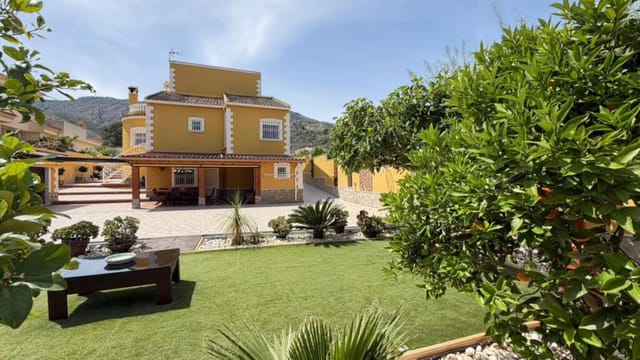
On a quiet Tuesday morning at Neerveldstraat 1B, the light does something remarkable. It pours through roughly 150 square metres of rear glass façade and turns the entire living floor into something that feels less like a house and more like a greenhouse for humans — warm, alive, connected to the fig trees and Japanese maple just outside. You make coffee in the industrial kitchen, and through the glass you watch a blackbird pick at the cherry tree. That's the daily reality here. Not a view from a balcony over rooftops. An actual garden, arms-length away, folding into your living room. This is a genuinely rare house. Architect-designed with a structural steel frame that gives the whole place its bones — visible, honest, deliberately industrial — and then softened by the wood terrace off the first-floor living room, the lush enclosed garden, the carefully chosen plantings. The steel sliding front door sets the tone the moment you arrive. It's not trying to look like something it isn't. 339 square metres of living space across three floors, plus a basement and attic adding another 134 square metres. That's a serious amount of room for two people, or a family that keeps growing into its spaces. The ground floor has a 56m² room currently used as a bedroom and studio — with its own direct garden views — plus a full bathroom with double sinks and shower, and a guest WC. The first floor is where the architecture really pays off: the living area opens via a large sliding glass door onto a raised wooden terrace, and the industrial kitchen runs the length of the space with a five-burner gas stove, double fridge-freezer, dishwasher, and extractor. Air conditioning keeps it comfortable through July and August when Limburg summers p ... click here to read more
Front view of Neerveldstraat 1B
New

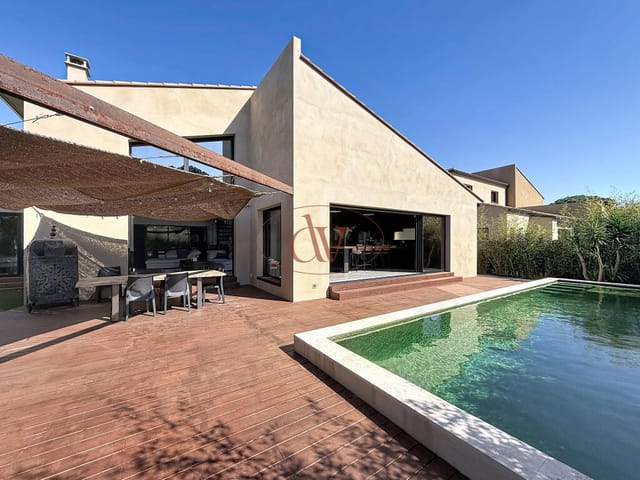
Step outside on a Tuesday morning, coffee in hand, and the only sounds reaching you are wood pigeons in the old oaks and the faint rustle of wind crossing open fields toward the Dutch border. That's Schuivenoord 2. It's the kind of quiet that city dwellers spend years chasing, and here it's simply the default setting. Meerle sits in the northern tip of the Belgian province of Antwerp, tucked into the Noorderkempen — a region of heathland, river valleys, and working farms that feels genuinely unhurried. The village itself is small enough to know the baker's name but connected enough to reach Breda's Grote Markt or Antwerp's Meir shopping street in under an hour. For buyers seeking a substantial second home in Belgium that genuinely delivers on both space and serenity, this is about as good as it gets. The villa was built in 1971 but underwent a full renovation in 2016, and it shows. The bones are solid — think generous ceiling heights, exposed timber beams in the main living area, and a floor plan that spreads across 546 square metres without feeling labyrinthine. The renovation brought everything up to contemporary spec: energy label B, central heating with partial underfloor heating, and fittings chosen for longevity rather than trend. Walk through the front gate — electric, with plenty of room for several cars along the private driveway — and the house announces itself through its garden rather than its facade. Five thousand, seven hundred and twenty-five square metres of it. Mature trees frame long views across the lawn, espalier fruit trees line one wall, and multiple terraces give you options depending on where the afternoon sun lands. There's a covered seating area for the kind of Belgian summer evenings that st ... click here to read more
Front view of Schuivenoord 2
New

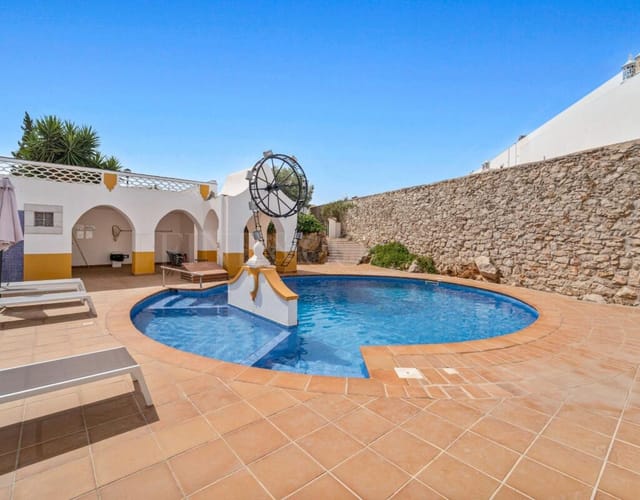
The alarm doesn't go off here. You wake up because the light does — that pale, golden Swedish summer light that slips through the curtains sometime around five in the morning and makes it impossible to stay in bed. So you pull on a sweater, step outside into the dewy garden, and walk the two-minute path down to Lake Toften before anyone else is up. The water is still. The pines are reflected perfectly on the surface. You dive in anyway. That's the daily reality of owning Östra Toften 216, a classic red-painted cottage sitting on a 1,000 square meter leased plot in a close-knit community of about forty similar summer homes just outside Östervåla in Uppsala County. It's compact — 34 square meters of living space — but Swedish summer cottage culture has never been about square footage. It's about being outside. The cottage is where you sleep, eat breakfast, and come in from the rain. The rest of your life here unfolds on the lake, in the forest, and around a fire in the garden. Built in 1968, the cottage has that honest simplicity that makes older Scandinavian summer homes so appealing. The living room is bright, with windows that pull in the tree light and make the small space feel larger than it is. It connects directly to the bedroom — a straightforward layout that works exactly as it should for a one or two-person getaway. The kitchen is practical and compact, built for the kind of cooking that actually happens at a summer cottage: coffee before the swim, pasta after the hike, maybe a proper crayfish spread in August with candles on the garden table. There's a storage shed on the plot for bikes, fishing gear, kayak paddles, and all the other paraphernalia that accumulates when you spend your summers outdoors properly. ... click here to read more
Exterior view of the red summer cottage
New