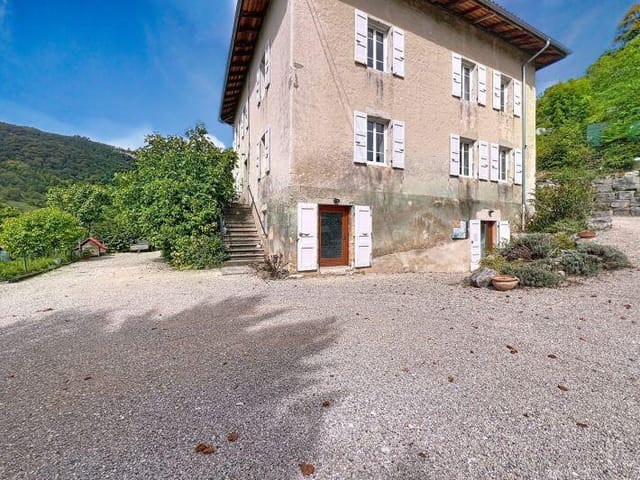
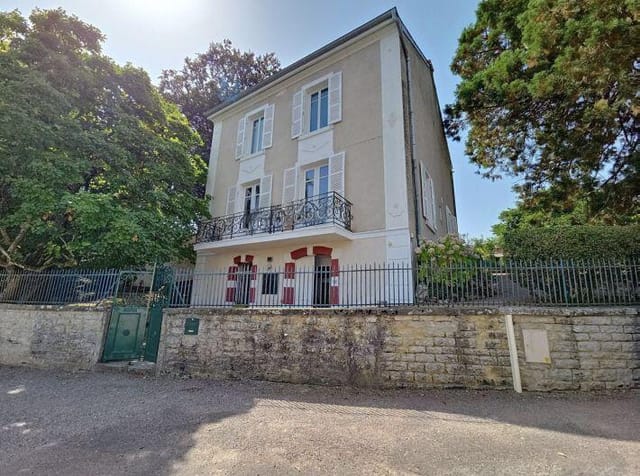
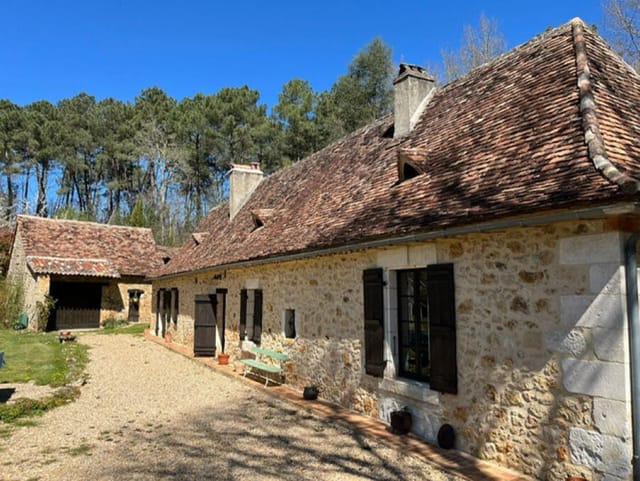
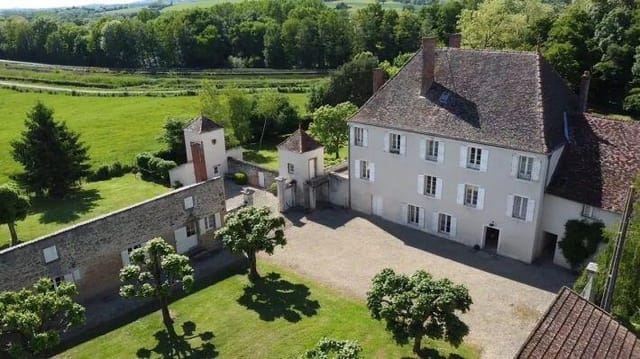
Houses For Sale In Europe (page 5)

Houses for sale in europe - homestra offers the largest amount of european real estate with over 200,000+ properties, find any type of property within your budget from villas to country homes. buy or rent your perfect home in europe. (page 5)

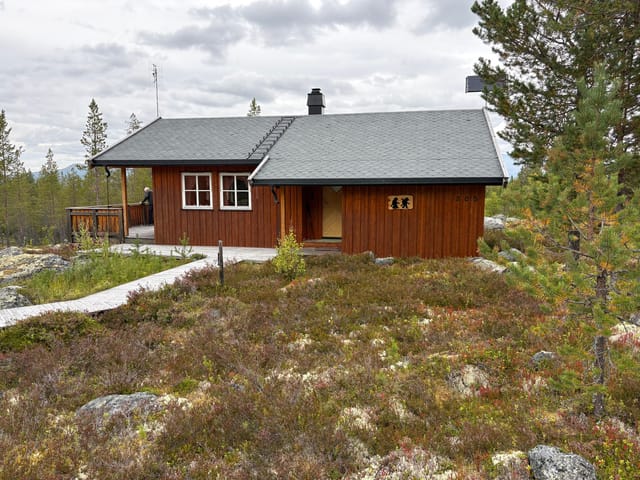
Step outside on a January morning and the world is completely white and completely silent, except for the creak of fresh snow underfoot and the distant hum of the first chairlift starting up at Vemdalsskalet. The air bites at your cheeks. Inside, the fireplace is still throwing heat from last night, and the smell of coffee fills the open kitchen. This is what owning a vacation home in the Swedish mountains actually feels like — and Järvslingan 22 puts you right in the middle of it. Built in 2020, this substantial semi-detached house sits on Järvslingan in the Vemdalsskalet area of Vemdalen, Härjedalens kommun, one of the most consistently popular ski and outdoor destinations in Sweden. The property spans 192 square meters of indoor living space across two full apartments — each with four bedrooms — on a generous 1,192-square-meter lot. It's a rare find: large enough for extended families or investment purposes, modern enough to require almost no work, and positioned well enough that you're never far from anything that makes this corner of Jämtland and Härjedalen so compelling. The two apartments share the building but function entirely independently. Each has its own open-plan kitchen, dining, and living area anchored by a fireplace, plus four bedrooms and its own outdoor access. Large windows face the mountain birch landscape, and when the snow is heavy on the branches in February, the view is the kind you don't stop noticing. The terraces — generous, south-leaning — are where you'll sit in March when the sun finally starts to win the argument with the cold, a cold beer in hand while your skis dry against the railing. The cross-country trail network and snowmobile routes are accessible directly from the property, mea ... click here to read more

Exterior view of the house with mountain backdrop

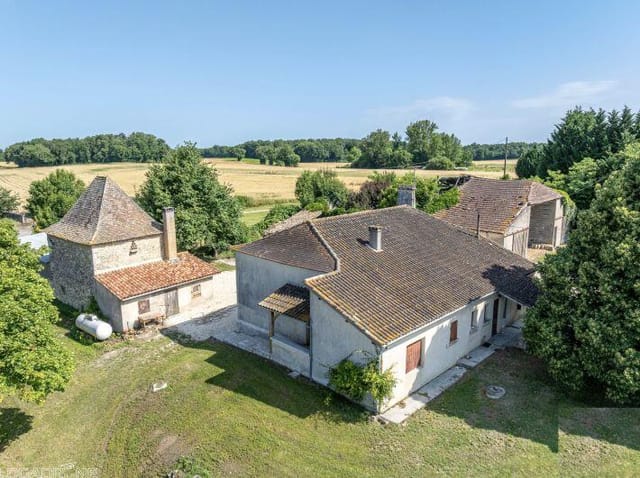
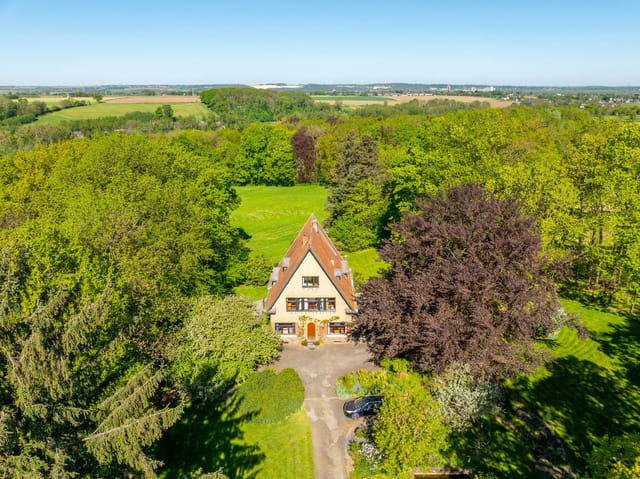
On a quiet morning in Fernelmont, the only sounds reaching you through the stone-framed windows are birdsong, the low creak of centuries-old oak branches, and the distant church bell drifting over the Hesbaye countryside from the village of Marchovelette. Pull back the wooden shutters and the courtyard below sits still in the early light, its blue stone paving worn smooth by three hundred years of footsteps. This is not a weekend cottage. This is a place that changes how you think about what a home can be. Built in 1714 and substantially extended in 1848, this extraordinary castle farmhouse at Rue des Ardennes 16 occupies a quietly commanding position on the edge of the Belgian countryside, roughly 15 kilometres from Namur and less than an hour from Maastricht. A private driveway draws you off the road and into a world that feels genuinely removed from everything ordinary — yet the motorway, the TGV station in Namur, and Brussels Airport are all within practical reach. That combination of seclusion and connectivity is genuinely rare in Belgium. The numbers are striking: 825 square metres of living space, 61 rooms in total, 16 bedrooms, 7 bathrooms, and an additional 436 square metres of barns and outbuildings, all sitting on approximately 9,900 square metres of park-like grounds. But numbers don't capture what it feels like to walk through the entrance hall into the formal dining room where light angles through deep-set windows onto original wide-plank flooring. They don't tell you what it's like to light the open fireplace in the living room on a November evening while rain taps against glass that is older than the Belgian nation itself. Since the current owners purchased the estate in 2019, the renovation has been c ... click here to read more

Front view of Rue des Ardennes 16

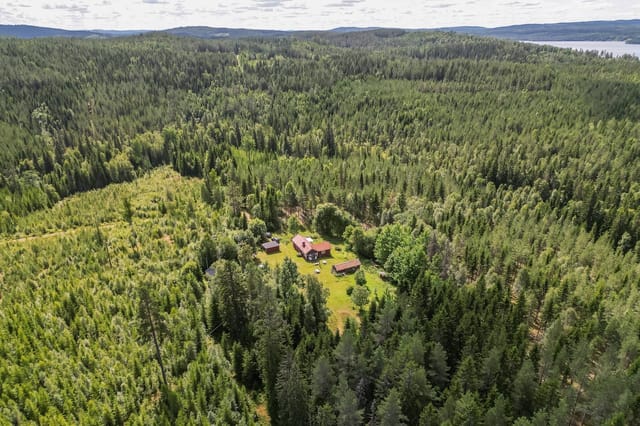
Step outside on a Tuesday morning in late August and the fields at Söderhenninge are gold-green and dead quiet, except for the crows working the far edge of the meadow and the faint clatter of a tractor somewhere over the ridge toward Edsbro. That's the sound of this place. Not silence exactly, but the particular hush of countryside that hasn't been touched up for anyone. This is a genuine Swedish farmstead — two residential houses, a cluster of solid outbuildings, and 6.3 hectares of mostly arable land sitting in Norrtälje municipality, about 90 minutes north of Stockholm by car. It's the kind of property that people in the city talk about wanting for years and rarely find at a price that makes actual sense. At 450,000 SEK for the full estate, the numbers are hard to argue with. The main house was built in 1936 and covers 99 square meters, with four rooms arranged in the unhurried way that rural Swedish builders favored — a real kitchen with room to cook properly, a living room that gets afternoon light, and bedrooms that feel like bedrooms rather than closets with aspirations. The windows are large, which matters here because what you're looking at through them changes week by week: snow-dusted fields in January, wildflowers pushing up along the fence lines in May, the low copper light of a Swedish autumn stretching across the paddocks in October. There's an additional 50 square meters of secondary living space in the main structure too, which gives you genuine flexibility for a home office, a mudroom setup, or just extra storage without crowding the main living areas. The second residential building is a real asset that most comparable properties don't offer. It functions independently, which means extended family ... click here to read more

Main house and outbuildings, Söderhenninge 5 och 3

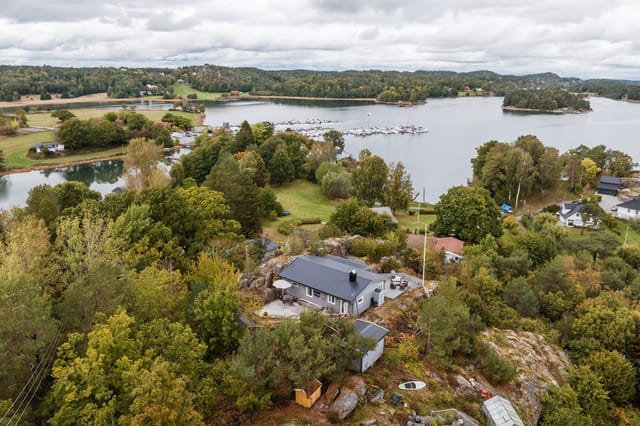
The coffee is already brewing when you step out onto the covered terrace at Hjortronvägen 26. It's half past seven on a Tuesday in July, the birch trees are dead still, and somewhere behind the treeline you can hear the Baltic. That particular hush — the one you only get in the Swedish archipelago fringe on a windless summer morning — settles over the yellow clapboard walls of this cottage like it was built just for this moment. It kind of was. This sun-yellow summer house in Kaggebo has been doing its job since 1976, and it does it well. Three bedrooms, 61 square metres of thoughtfully used interior space, a separate guest cottage, and a plot that stretches to 2,002 square metres of lawn and native woodland. At 149,500 SEK, it sits comfortably within reach for international buyers looking for a genuine Swedish holiday home without the price tag that comes with the more famous archipelago addresses further north. Step inside and the open-plan living room and kitchen greet you with soft Scandinavian tones and freshly laid pine flooring that still carries that faint warm resin smell on sunny afternoons. Large windows pull the garden light into every corner. The layout is honest — no wasted corridors, no awkward half-rooms — just a bright, functional space designed around the rhythm of summer living: come in from the water, dry off, cook something simple, eat outside. One of the three bedrooms comfortably fits a double bed, the other two work well for children or guests, and the whole thing flows with an ease that properties twice the size often fail to achieve. The covered terrace off the living area is where you'll spend most of your time. Sheltered, private, and positioned to catch the evening light, it handles everyt ... click here to read more

Front view of the summer cottage

Step onto the sheltered deck on an August morning and the air already smells of pine resin and salt. The Gulf of Bothnia is less than a ten-minute walk through the trees. Somewhere behind the house, a woodpecker is working its way up a spruce. This is Söråker — quiet in the very best sense, and closer to everything than you'd expect. Söråker sits in Timrå municipality, roughly 40 kilometres north of Sundsvall along Sweden's High Coast corridor. This stretch of the Norrland coastline doesn't get the same international noise as Gotland or Dalarna, but Swedes who know it guard it fiercely. The summers here are genuinely warm, the light stretches well past ten in the evening, and the sea at Klingerfjärden is calm enough for children but cold enough to make you feel alive. In the winters — quiet, snowbound, birch trees turned to white sculpture — the same roads that carry cyclists in July carry cross-country skiers in January. The rhythm shifts completely between seasons, and that's half the appeal. The house itself was built in 1980 and sits on a 1,620-square-metre lot that backs directly onto forest. Forty-six square metres of interior space sounds modest until you're inside and realize the layout wastes nothing. Two bedrooms, a living room anchored by a wood-burning stove, and a kitchen with a proper dining area. The stove is the kind of detail that matters in October, when the evenings drop fast and you want something that heats a room the old-fashioned way — not just a thermostat click, but actual fire behind glass, the smell of birch logs, a reason to stay inside a little longer. The kitchen is set up for real cooking, not just reheating, with enough storage to stock for a week without the place feeling cluttered. Ou ... click here to read more

Exterior view of the holiday home

Picture this: a quiet Tuesday morning in July, the sun already climbing over the treeline east of Bergbyslingan, hitting your south-facing terrace at an angle that makes the coffee steam glow gold. The lake glints through the open kitchen window. Somewhere down the path, a kayak scrapes against a dock. This is not a weekend fantasy — this is just the ordinary Tuesday you get when you own a place like this. The cottage sits in Bergby, a small community about ten minutes by car from central Hallstavik and roughly an hour north of Stockholm along the E18. It's the kind of area that regulars have kept quiet about for years — Lake Mälaren-adjacent archipelago country, where the forests run thick with birch and pine and the light in late June barely dims before midnight. Norrtälje municipality, which governs this stretch of Uppland coast, has long attracted Stockholmers looking for a foothold outside the city without the traffic chaos of the west coast. Word is getting out. The cottage itself is compact and deliberate — 43 square meters on a private plot of roughly 295 square meters, sold as a cooperative unit (bostadsrätt). That ownership structure is worth understanding upfront. For international buyers, bostadsrätt means you own shares in the housing association that gives you full, exclusive right to the property, including the terrace and the plot. It's a standard and well-regulated form of ownership in Sweden, and it typically means the association handles exterior maintenance, insurance on the building shell, and communal grounds — six thousand square meters of jointly managed green space surrounding the cluster of properties here. Practically speaking, it reduces the burden of ownership significantly, especially if y ... click here to read more

Exterior view of the cottage and terrace

The sun is still up at nine in the evening. You're sitting on the veranda at Prestenga 30, a cold glass in hand, watching the light turn the water below into something between silver and gold. The fjord doesn't move much at this hour. Neither do you. That's the point. This two-bedroom cabin in Halden's Prestenga area sits on a west-facing plot that catches the sun from mid-morning all the way through those impossibly long Norwegian summer evenings. At 54 square metres, it's compact and deliberate — every square metre pulls its weight. The interior has been completely redone in recent years: new flooring throughout, upgraded walls and ceilings, a fresh kitchen, and three double terrace doors installed along the facade that throw afternoon light deep into the living space. From almost every spot inside, you have a clear line of sight to the water. The open-plan living and kitchen area is the heart of the cabin. It works. The kitchen comes fitted with integrated appliances — all included in the sale — and there's genuine storage space rather than the token cupboards you often find in leisure properties of this size. The layout flows naturally out onto the large veranda through those terrace doors, so summer mornings tend to blur pleasantly between inside and outside. Coffee at the kitchen counter, then coffee on the veranda. Same view, better air. Both bedrooms carry the same clean, modern finish as the rest of the property. The main bedroom looks out over the water — waking up to that on a still August morning, with the smell of pine drifting in through a cracked window, is the kind of thing that makes you stop checking your phone. The second bedroom works perfectly as a children's room or guest space. The cabin sleeps ... click here to read more

Welcome to Prestenga 30!

Step out onto the 81-square-meter terrace on a clear June morning and the whole of Lavøyfjorden opens up in front of you — the water shifting between silver and deep blue, the Storseibrua bridge arching across the horizon like a pencil line drawn by someone who knew exactly what they were doing. That view doesn't get old. Not after a week, not after a decade. This is Trovikneset 11, a country holiday home on Averøy island in Møre og Romsdal, built in 2021 and sitting on a 903-square-meter plot just 200 meters from the sea. It's not a renovation project, not a compromise. Three bedrooms, a boathouse down by the water, and a terrace big enough to host a long Norwegian summer dinner that starts at six and ends sometime after midnight when the sky finally goes dark — which, in July, it barely does. Averøy is the kind of place people from the outside world haven't quite discovered yet, which is part of why it works so well as a second home base. The island sits between Kristiansund to the north and Molde to the south, both reachable in under an hour by car. But you don't need either city to fill your days here. The Strømsholmen Sjøsportsenter is minutes away — one of Norway's best dive centers, with guided dives into kelp forests and shipwrecks along the Atlantic coast. There's a small boat harbor nearby for launching your own vessel, and the grocery store in Kårvåg means you're not driving forty minutes every time you need to restock coffee. The house itself was designed to make the most of the light. Large windows and sliding doors face the fjord, and the open-plan living and kitchen area feels genuinely spacious at 93 square meters — not cramped, not showy, just right. The fireplace anchors the living room on evenings w ... click here to read more

Welcome to this modern holiday home at Trovikneset 11 on Averøya!

On a clear morning in Bad Bentheim, the mist sits low over the Münsterland plain while you stand on the upper terrace of Am Berghang 70 with a coffee in hand. The view stretches for miles — church steeples, farmland, forest — and not a single rooftop breaks the horizon below you. This is what you bought the hillside for. Built in 2009 on a generous 1,055 m² plot along the slopes of the Bentheimer Berge, this four-bedroom Bauhaus-inspired villa is one of those rare properties that makes you understand why architects fell in love with glass and steel and honest materials. The ebony timber framing against floor-to-ceiling glazing isn't a design flourish — it's the whole philosophy. Light comes in from every angle. The Münsterland countryside becomes part of the interior. In late afternoon, when the sun drops behind the Bentheimer Wald and throws long amber light across the oak floors, the living room feels almost cinematic. At 224 m² across three levels, the house is large without feeling excessive. The ground floor revolves around an open-plan living space anchored by a fireplace and a soaring gallery that connects visually to the floor above. Two terraces push the living space outward — one for morning coffee in the east-facing sun, one for long summer evenings facing west. A concealed pantry keeps the kitchen uncluttered. A ground-floor office with its own natural light makes remote working genuinely possible, not just technically feasible. The guest toilet is tucked discreetly away. Everything has been thought through. The staircase — solid wood with a frameless glass balustrade — is the kind of thing you notice every single day. It leads to a first floor where the gallery is bathed in shifting light throughout the s ... click here to read more

Photo 1 of Am Berghang 70

Step off the gravel path on a July morning and the first thing you notice is silence — not the absence of sound, but the right kind of quiet. Birdsong from the treeline. The distant slap of water from the lake just down the road. A neighbor's dog, briefly. That's Edsbro. And once you've spent a single summer here, you understand why Stockholm families have been coming back to this pocket of Norrtälje municipality for generations. Stockkärrsvägen 108 sits on a flat, sun-drenched plot of 1,764 square meters in a relaxed residential lane where most homes are owned by people who don't want to be anywhere else in July. The main house — 71 square meters built in 1978, well maintained and move-in ready — punches above its floor plan thanks to a vaulted ceiling in the living room that makes the space feel open and unenclosed. Large windows face the rear garden, so even from the sofa you're watching light move through the trees outside. There's a fireplace insert for the cooler shoulder months, and a covered outdoor patio off the living room where you'll end up eating most of your meals from Midsommar through late August. Four bedrooms. One bathroom with shower, toilet, and a genuine Finnish-style sauna built into the house. That sauna is not a luxury add-on — in this part of Sweden it's how you finish a day. You swim in the lake, you walk back through the forest, you sit in the sauna, you eat dinner late on the patio. That's the rhythm of a summer here, and this house is built around it. The kitchen and dining area open into the living room, which keeps the social current flowing when you have people over. Cooking doesn't separate you from the conversation. The layout is practical in the way that Scandinavian design tends to ... click here to read more

Front view of the holiday home

Early on a September morning at Norregård, the only sounds are the soft thud of hooves crossing damp grass and the distant call of geese over Strömmasjön lake, just 800 meters through the tree line. The mist sits low over the pastures. The kitchen in the 1909 main house smells of coffee and old timber, and the light coming through the east-facing windows turns everything gold. This is what you actually buy when you acquire this estate — not just 12.8 hectares and a collection of well-built structures, but a particular quality of morning. Norregård sits in Halland County, outside Halmstad on Sweden's west coast, and the setting is quietly extraordinary. The land rolls between open meadow and mixed forest, fenced pastures stretch toward the wood line, and the whole place has the kind of unhurried atmosphere that takes decades to develop — not something you can manufacture. The main residence was built in 1909 and carries that era's proportions well: high ceilings, thick walls that hold warmth through January, and a floor plan that makes 279 square meters feel like a natural progression from room to room rather than a maze of additions. Six rooms. Two bathrooms. A living room large enough for a proper gathering. A kitchen that was updated without losing the character of the original house. The equestrian infrastructure here is serious. There's a full riding arena, maintained stables, and a lösdrift — a loose housing system — that gives horses freedom of movement while keeping them sheltered through the Swedish winter. The pastures are fenced for year-round grazing. The meadow areas produce hay, which you can either use or lease out; both options contribute to the roughly 150,000 SEK annual income the estate currently gene ... click here to read more

Front view of Norregård estate

Step outside on a late June evening at Bybakken 41, and the Oslofjord is doing that thing it does in summer — turning copper and pink at the edges while the water goes almost flat calm. The heated jacuzzi on the sun terrace is already running. Somewhere down the hill, a neighbor is grilling. That's the moment you'll think: yes, this is why we bought it. Sponvika sits at the southern tip of Østfold county, tucked along the western shore of the Iddefjord where Norway and Sweden share a border you can almost wade across. It's not a place that appears in glossy travel magazines. Locals from Halden — a proper Norwegian town of 30,000 people, just 8 kilometers up the road — have been keeping it quietly to themselves for decades. The village has the kind of unhurried pace that's increasingly rare this close to a major transport corridor: the E6 motorway puts you in Oslo in under two hours, and the train station at Halden runs direct services to the capital in roughly 90 minutes. For a second home that doubles as a weekend escape from city life, the geography is almost unreasonably convenient. The house itself sits on a freehold plot of 1,051 square meters on Bybakken — the name translates loosely as "the town's hill" — and the elevation is exactly what earns the sea views. From the open-plan living room on the first floor, the large windows frame the fjord like a painting that changes hourly. Morning light comes in silver and quiet. By afternoon in August it's all glare and sparkle. Even on grey November days there's a drama to it, low cloud sitting on the Swedish hills across the water. Inside, 211 square meters are spread across three levels. The heart of the home is that first-floor living space: an open kitchen fitted wi ... click here to read more

Welcome to Bybakken 41! Photo: FOTOetcetera AS

Imagine waking up on a Saturday morning in July, the smell of pine and lake water drifting through a half-open window, a cup of coffee going cold on the terrace railing because you got distracted watching a pair of grebes glide across Randsfjorden. That's the specific kind of morning this cabin at Steinhusveien 5 makes possible. Not a fantasy — just a Tuesday for the people who own it. Randsfjorden is Norway's fourth-largest lake, and it gets far less tourist traffic than the bigger-name fjords to the west. The locals know this and they're not particularly eager to share it. The water is clear enough to see the bottom from a rowing boat, the fishing for pike and perch is genuinely good, and on a calm summer evening the light sits on the surface in a way that makes it almost impossible to go back inside. The chalet has its own boat mooring right below the property — not a shared dock, not a slip you have to reserve. Yours. Drop in a kayak, take out the rowing boat, or just sit on the edge with a fishing line. The lake is that close. The cabin itself was built in 1963 and it carries that era well. At 85 square metres across a 1,420-square-metre plot, it's not trying to be a hotel. It's a proper Norwegian fritidsbolig — a leisure home — designed around the idea that the outdoors is the real living room, and the indoor space is where you come in when the weather turns. Two living rooms, both with fireplaces, give the place a layered, flexible quality. Light a fire in the main room while the kids claim the second one. The large windows pull the fjord right into the space; in winter, when the lake occasionally ices over, it's a view that makes the whole idea of staying indoors feel worthwhile. There are two bedrooms. The ma ... click here to read more

DNB Eiendom v/ Ella Parken Grongstad presents Steinhusveien 5!

Stand on the wooden deck at dusk and watch the last light drain out of the sky behind Omberg's ridge. The ridge goes dark slowly, in stages, and below it the fields settle into a deep green quiet. That's the view from this 1909 cottage at Skedagatan 215 — not a painted backdrop, but a living landscape that changes with every season, every hour, every weather system rolling in off Lake Vättern. It's the kind of place that becomes genuinely hard to leave. Borghamn sits on the eastern shore of Lake Vättern in Östergötland, tucked between the ancient Alvastra plateau and Sweden's second-largest lake. This isn't a tourist-polished village. It's a real rural community with a grocery store, a well-regarded waterfront restaurant, and a harbor where locals actually keep their boats. The pace here is deliberate and unhurried in a way that feels intentional rather than left behind. The cottage itself was built in 1909 and sits on a fenced, generously planted plot that includes established fruit trees — apple and plum, heavy with fruit by late August — along with perennial borders that someone clearly spent years coaxing into maturity. The robotic lawnmower handles the grass without any involvement from you, which matters more than it sounds when you're here for a long weekend and don't want to spend it behind a push mower. Inside, the 68 square metres are arranged with the kind of logic that older Swedish homes often get right instinctively. The living room anchors the interior: a classic kakelugn tiled stove in the corner, an air-to-air heat pump for the seasons when the tiled stove feels like overkill, and enough natural light through the original-proportion windows to keep it from ever feeling tight. The dining area flows dir ... click here to read more

Front view of the house and garden

Picture this: it's six in the morning, the fjord outside is the color of hammered pewter, and you're standing on the floating dock with a thermos of coffee while a sea eagle traces lazy circles above Vinnesøy. No traffic noise. No neighbors pressing in. Just the low creak of the dock lines and the occasional slap of water against the hull of your boat. This is what mornings look like at Vinnes 109. Set along the western coast of Austevoll—one of Norway's most dramatic island municipalities, threaded through with skerries, fishing villages, and open ocean channels—this four-bedroom chalet has been in active use as a family retreat for decades. The main cabin dates from 1928, and you can feel that history in the weight of the timber walls and the way the floorboards sound underfoot. But this isn't a fixer-upper project. The past decade has brought real, practical investment: a new shingle roof section, double-glazed wooden-frame windows throughout most of the house, an updated electrical panel with modern circuit breakers, and a heat pump installed in the living room that means you're not dependent on the wood stove alone when October rolls around—though you'll likely want to light it anyway, because the stove here is the heart of the room. The total living area runs to 108 square meters across two floors, plus a crawl space. Four bedrooms sleep up to 13 people, which tells you something about how this place has been used—large families, friends arriving by boat for a long weekend, kids claiming bunk space, adults staying up late around the kitchen table. The kitchen and dining area are built for exactly that kind of communal living: functional, spacious, genuinely useful rather than decorative. Windows face the sea. Th ... click here to read more

Picture 1

Early morning at Grycken 680, the lake is so still it mirrors the pine trees perfectly. You walk down to the private jetty, coffee still warm in your hand, and there is nothing between you and the water except birdsong and the faint creak of old timber. No road noise. No notifications. Just this. That is what owning a piece of Lake Grycken actually feels like. This is a genuine off-grid log cabin on its own peninsula in Lake Grycken, deep in Ovanåkers municipality in Gävleborg County, Sweden. The plot extends to 2,500 square metres and sits at the very tip of a narrow tongue of land where the water wraps around you on all sides. You are, for all practical purposes, on an island. The sense of seclusion is absolute. The cabin itself is a former logger's hut, measuring 5 by 5 metres — compact, solid, and full of the kind of character that takes a century to acquire. The logs are thick and darkened with age. Inside, the wood-burning stove is the centrepiece, and on an October evening with rain tapping the roof and a fire running hot, it is genuinely one of the most restorative places you could be in Sweden. The interior is simple and intentionally so. There is no electricity and no running water piped in — drinking water comes from a natural spring close to the lakeshore, cold and clean. This is not a property for someone who needs Wi-Fi. It is a property for someone who actively wants to leave all of that behind. A small tool shed and a traditional outhouse complete the structures on site. The garden area has been left largely wild, with forest floor giving way to the rocky lakeshore in that characteristically Swedish way that feels effortless and right. Sunlight reaches the plot throughout the day, and the aspect across ... click here to read more

Exterior view of the log cabin on Grycken 680

Step outside on a Saturday morning in Poppel and the world slows right down. The garden is still dewy, a pair of herons are working the edges of your pond, and somewhere behind the treeline the village church bell marks the hour. This is what 370 square metres of architect-designed villa on Beekseweg 23 actually feels like to live in — not a postcard, just a quietly exceptional ordinary day. Poppel sits right on the Belgian-Dutch border, tucked between Turnhout to the south and Tilburg just across the frontier. It's the kind of village that locals fiercely protect from overexposure. The surrounding landscape — heathlands, pine forests, and river valleys — falls within the Gorp en Roovert and Rovertse Ley nature reserves, two of Brabant's most rewarding spots for long cycling routes and trail walks that most tourists never find. In autumn the heather turns the heathland purple-pink for a few brief weeks, and the village cycling paths that fan out in every direction become genuinely addictive. Come winter, the lanes empty out entirely, and the whole area takes on a quiet drama that suits a wood fire and a glass of Trappist ale from the nearby Westmalle route perfectly. The villa itself was conceived by an architect who clearly understood that a house and its garden should read as one continuous space. From the kitchen — properly equipped, not a showroom — large glass doors fold back onto the main terrace so that summer dinners simply migrate outdoors without ceremony. The pond sits just beyond, catching the late afternoon light. It's the kind of view that stops conversations mid-sentence. A second terrace wraps around another corner of the garden, framed by fruit trees that produce enough in a good year to make jams and ... click here to read more

Front view of Beekseweg 23

The first thing you notice is the silence. Not the absence of sound, but a different kind entirely — the soft lap of the North Sea against your private shoreline, the creak of the boathouse door in a salt-tinged breeze, a single gull calling somewhere over the water. You're standing on the terrace of a century-old house on Gjøssøya, and the thought arrives unbidden: I could stay here forever. That feeling is exactly what Gjøssøya 55 has been giving one family for the past 50 years. Now, for the first time in half a century, this remarkable waterfront holding on the outer coast of Trøndelag is available to someone new. It won't be available for long. The property sits on 8,374 square meters of sun-exposed, sheltered land — a genuinely rare footprint in a region where the coastline has been divided and parceled for generations. The plot runs all the way to the water's edge, and that shoreline belongs to you. Not shared. Not leased. Yours. That means you can swim off your own rocks on a July morning when the sea reaches a balmy 18°C, pull mackerel from the water twenty meters from your kitchen, or simply sit at the end of the private pier watching the light go orange over the islands to the west. The main house dates to 1910, 172 square meters of practical Norwegian coastal architecture spread across two floors. The ground floor has the kind of logic that old houses sometimes get right: you come in through the entrance hall, peel off your waterproofs, and immediately you're in a generous kitchen with room for a long table — the sort of table where six people linger over coffee long after the plates are cleared. Two living rooms open off the central spaces, one catching the morning light from the east, the other the long ... click here to read more

DNB Eiendom presents Gjøssøya 55, a rare opportunity in the market.

Stand on the 46-square-metre terrace at Panoramaveien 10 on a July morning and the Kragerø fjord spreads out below you like hammered silver. The water catches the early light. Somewhere down the hill, a boat engine turns over. The smell of pine and salt drifts up together. This is a place that gets under your skin fast. Stabbestad sits quietly on the southern tip of Telemark county, tucked into the island-scattered coastline that Norwegians have been sailing, fishing, and arguing passionately about for centuries. Kragerø—the nearest town, just a short drive away—was famously a magnet for Edvard Munch, who painted the sea light here repeatedly and called it one of the most beautiful archipelagos in the world. The light really is something. Long summer evenings where the sun barely dips below the horizon. The kind of golden hour that seems to stretch on for two. Panoramaveien 10 was built in 2005 and sits in the elevated Panoramafeltet area above Stabbestranda, giving it what the address literally promises: a free-standing, high position with unbroken views across the fjord. No building in front of you. No compromises. The sun tracks across this plot from morning to well into the evening, which in a Norwegian coastal summer means you're sitting outside until ten o'clock with a cold Ringnes and no good reason to go in. The chalet runs across two floors and measures 140 square metres of thoughtfully arranged living space. Walk in and the entrance hall does what a good entrance hall in a leisure property should do—it handles the chaos of wet wetsuits, muddy hiking boots, and golf bags without drama. The main living room on the ground floor is generous enough to hold a proper sofa arrangement and a dining table without feel ... click here to read more

Welcome to Panoramaveien 10!

Saturday morning on Linneuspromenaden and the neighborhood is just waking up. Someone's brewing coffee two gardens over, you can smell it. The fruit trees in your 410-square-meter plot are doing their thing—dappled light on the wooden deck, a blackbird working through the lawn—and you've got nowhere to be. That's the particular pleasure of owning a place like this in Elinelund, a quietly residential pocket of Malmö that most visitors never find but locals never leave. The house itself is compact and honest. Forty square meters of main living space, built in 1960 and kept in genuinely good condition over the decades—not frozen in amber, but updated where it matters. Large windows in the living room pull the garden right into the interior, so even on grey Swedish autumn days the space doesn't feel closed in. The kitchen is functional and properly equipped, the kind where you can actually cook rather than just heat things up. Two bedrooms handle a couple or a small family without drama. One bathroom. Everything you need, nothing you don't. What lifts this property well above comparable holiday homes at this price point is the guest house completed in 2021. Fifteen square meters, finished to a high standard, giving visiting friends or family genuine privacy rather than an air mattress in the living room. It works as a creative studio, a work-from-anywhere office during shoulder season, or simply overflow space when the cousins arrive in July. Having a self-contained outbuilding on a plot this size in Malmö is not something you find every day. The conservatory earns its keep across every season. In June it's where you eat breakfast before the day heats up. In October it's where you watch the garden turn colour with a glass ... click here to read more

Exterior view of the house and garden

Step outside on a January morning and the silence hits you first. Not the silence of an empty room — the deep, pressurized quiet of a landscape buried in snow, with Borgahällan mountain rising sharp and white against a sky that hasn't decided yet between pink and blue. The wood stove in the kitchen is already ticking with warmth. The coffee is on. This is the daily reality of owning a cabin on Näslunds väg. Borgafjäll sits in the southern reaches of Swedish Lapland, in Dorotea municipality, and it's the kind of place that takes a deliberate effort to find. That's the point. There's no motorway exit sign, no chain hotels, no tour groups spilling off coaches. What there is: a compact, genuine mountain community that has somehow stayed exactly as it should be — a ski center with slopes for everyone from cautious seven-year-olds to serious off-piste skiers, a hotel with a proper spa, a local grocery, and a pub where people actually know each other's names. The après-ski here isn't performative. It's just locals and guests sharing a table after a hard day on the mountain. This particular cabin has a story that most properties can't claim. It was originally constructed at Borgahällan — a site known locally as Luspen — and later carefully dismantled, transported, and rebuilt on its current plot. The traditional log construction survived that journey intact. Built in 1968, the bones of this house carry the weight of a specific era of Swedish mountain building: practical, solid, unpretentious. Over the decades it's been maintained with real care, which you can see in the way the wood has aged rather than deteriorated. At 40 square meters, the interior is compact by design, and every part of it earns its space. The kitchen and ... click here to read more

Exterior view of the mountain cabin

On a warm June morning in Galjevången, the lilacs are so heavy with bloom they droop over the garden path. You're sitting on the patio with a cup of coffee, listening to bees work through the roses, and somewhere two plots over someone is running a watering can. The city of Lund—its cathedral, its university courtyards, its Saturday market on Stortorget—is less than ten minutes away by bike. But right now it feels like it's on another planet entirely. That's the particular magic of this allotment cottage at Östra Fäladsvägen 36, plot 64, inside the Öster 1 colony—the oldest allotment community in Lund. These things don't come up often. When they do, they go fast. The plot itself is 150 square metres, and the previous owner clearly put in years of patient, knowing work. Two apple trees anchor the back of the garden—one early, one late variety, so you're picking fruit from August well into October. There's a plum tree too, and once you've had homegrown Swedish plums in a crumble on a September evening, shop-bought ones are a different category of thing. Raspberries and blackberries grow along the border, and if you get there before the birds do, there are wild strawberries tucked into the ground cover. Rhubarb, herbs, perennials that come back every spring without asking anything of you. Bulb plants push through the soil in April before you've even thought about the growing season. The garden does a lot of the work itself. The cottage is 10 square metres—compact by any measure, but that's exactly the point. A single room, large windows that pull in the afternoon light, space enough for a daybed and a small table. It's a place to sleep after an evening out in the garden, to take shelter from a sudden August downpour, to ... click here to read more

Exterior view of the cottage and garden

On a quiet Sunday morning, you crack the kitchen window above the breakfast nook and the smell of cut grass drifts in from the garden. The pond catches the early light. Beyond the fence line, the tree canopy of the adjacent forest is doing that slow, golden thing it does in late September. The coffee is on. The kids are still upstairs. This — right here — is what 297 square metres of well-built Belgian villa feels like from the inside. Hogeschootlaan 5 sits in one of Kapellen's most sought-after villa streets, a leafy residential lane where houses are set well back from the road and plots are generous enough that you actually feel the space between you and your neighbours. The address sits in the southwest corner of Kapellen's outer ring, meaning you get the quiet without the isolation. The Kapellen Markt — with its Friday market stalls selling Flemish strawberries and artisan bread — is a short cycle away. The N11 toward Antwerp is less than five minutes by car, and from there the E19 north puts you at the Dutch border in under half an hour. The villa itself follows the Long Island architectural tradition: wide, low-slung proportions, generous overhangs, and a visual language that leans into horizontal lines and natural materials. It reads quietly confident from the street. The gated driveway opens onto a broad forecourt with parking for several cars — practical when the family descends or when you're hosting neighbours for a summer terrace dinner. The integrated double garage, with its automatic door, handles the everyday. Inside, the entrance hall sets the tone immediately. High ceilings. A lot of light. The kind of proportions that make people stop and say something before they've even looked around properly. To t ... click here to read more

Front view of Hogeschootlaan 5

Picture this: it's a Tuesday morning in February, the thermometer reads minus eight, and through the frost-edged window above the kitchen sink you can see fresh snow sitting heavy on the pine branches. The wood-burning stove has already been going for an hour, the sauna is warming up, and the ski runs at Tandådalen are a short drive away. This is what five weeks a year at Salbäcksvägen 16 actually feels like. The property sits in Salbäcksheden, a quiet residential pocket of the greater Sälen area in Dalarna, Sweden's most serious mountain destination. Sälen isn't some weekend novelty — it's home to Scandinavia's largest ski resort system, the interconnected SkiStar network that links Tandådalen, Hundfjället, Lindvallen, and Högfjället across dozens of pistes and hundreds of kilometers of groomed cross-country trails. The nearest resort entrances are just minutes from the front door. Built in 2004 and kept in genuinely good shape, this 120-square-meter house is sold as Share C in a ten-owner co-ownership structure. Each owner gets five weeks of guaranteed annual use, decided at a meeting every September. For 2026, the allocated weeks are 5, 8, 25, 26, and 42 — that's two prime winter weeks in the heart of ski season, a summer slot when the valley is green and warm, an early autumn week when the birch trees turn copper, and a late winter booking that often catches the tail of good snow conditions. The annual running cost sits at around 13,000 SEK, which keeps the whole arrangement genuinely affordable compared to outright ownership of a comparable property in the region. Step inside through the hallway and the layout immediately makes sense for a mountain house. The open living space puts the wood stove at the center of ... click here to read more
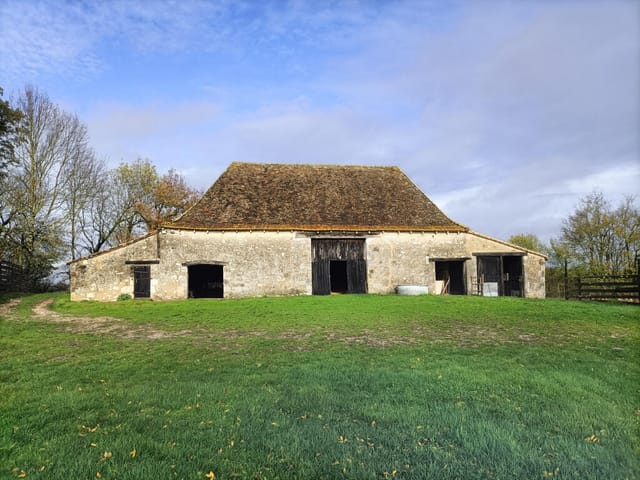
Exterior view of the vacation home

Step outside on a Saturday morning in early October and you'll hear it before you see it — the soft rustle of beech and pine that lines Woudweg, a few leaves already turning amber, the air carrying that particular freshness you only get in the Kempen countryside. Pelt sits at the edge of the Grote Heide, one of the largest heathland nature reserves in Belgium, and from this property's southwest-facing terrace you feel that proximity in a very immediate way. Not through a distant view, but through birdsong, through the texture of light through a tree line, through the simple fact that the nearest neighbor is far enough away that you can eat breakfast outside in actual quiet. Built to completion in 2025 and finished to a standard that very few new-builds in this part of Limburg can match, this single-storey villa on Woudweg 11-A spans 387 square meters across a generous 1,917-square-meter plot. Single-storey living tends to get undersold. No stairs. Every room on one level. For families with young children, for aging parents visiting for the summer, for anyone who's ever carried a sleeping child up three flights — it's a genuinely different way of living, and this house is designed around it. Walk through the front door and you enter a wide central hallway that sets the tone immediately. Pale, clean lines. Nothing cluttered. The kind of entrance hall that makes you exhale. From here, the floor-to-ceiling windows of the open living space draw the eye straight through to the garden, and on a clear day the light floods the entire ground floor in a way that makes the space feel considerably larger than even the generous square footage suggests. The kitchen is the kind that gets used. Miele throughout — two combination ovens ... click here to read more
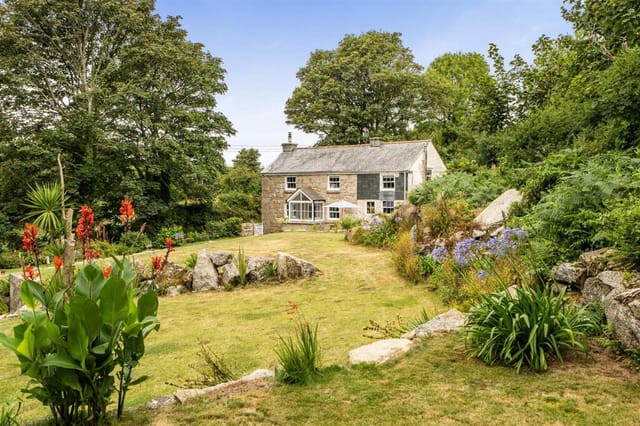
Front view of Woudweg 11 - A

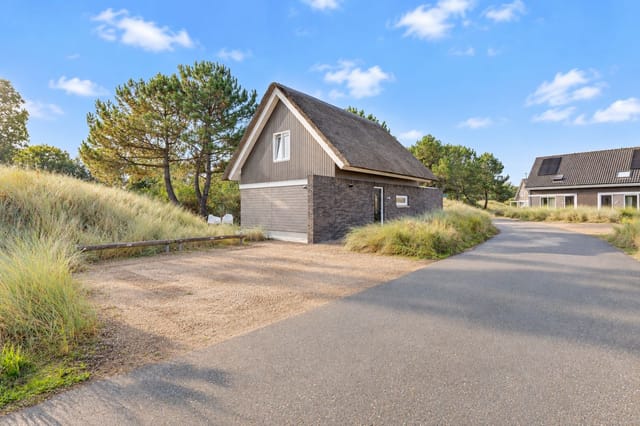
Picture this: it's a Saturday morning in late July, and you're standing at the kitchen window of a Finnish timber house in rural Skåne, watching mist lift slowly off the surface of Svenstorpssjön about 300 metres away. The smell of pine is everywhere — in the walls, in the air outside, in the sauna you fired up last night. Coffee's on. There's nowhere you have to be. That's what Klangens väg 3 actually feels like. And it's not a fantasy you have to work hard to justify — at this price point, it's one of the most accessible genuine escapes you'll find in southern Sweden. The house itself is a Honka, which matters. Honka is a Finnish manufacturer with a serious reputation for precision-cut log construction — the kind where the timber does the structural and thermal work simultaneously, meaning the walls breathe, the temperature stays remarkably even year-round, and the whole thing just gets better looking as it ages. This one was built in 1995 and has been kept in good condition. Walk inside and the first thing you notice is how warm it feels — not just physically, but in tone. Raw wood on every surface, a Finnish soapstone fireplace anchoring the main room, and a layout that's open but not cavernous. The kitchen and living area share the ground floor in a way that makes the 50 square metres feel much more generous than it sounds on paper. The soapstone fireplace is genuinely worth dwelling on. Soapstone holds heat for hours after the fire dies down — it's not decorative, it's functional in a deeply satisfying way. Light it on a crisp October evening and the stone radiates warmth well past midnight. That's the kind of detail that separates a proper Scandinavian timber house from an imitation. Upstairs, an open loft run ... click here to read more
Front view of the timber house

Step outside on a still July morning, coffee in hand, and the first thing you notice is the silence. Not the absence of sound, but the particular hush of Nordland at its best — a light wind off Vassvatnet, birdsong threading through birch trees, the faint creak of the terrace boards under your feet as you walk to the railing and look out at mountains that have no interest in impressing you. They just are. That's what this chalet at Lægern 32 in Bratland gives you before breakfast. This is a genuine leisure property in the coastal municipality of Lurøy, tucked into the Aldersundet area of Nordland county, roughly halfway up the Norwegian coastline on the Helgeland coast. A part of Norway that doesn't chase attention the way the fjords around Bergen do. It rewards the people who find it instead. The main cabin was built in 1980 and sits on a fully owned 1,070 square metre lot — no shared ground, no leasehold complications, it's yours outright. At 83 square metres of internal space, the layout is deliberate and practical rather than wasteful: entrance hall, a living room large enough to hold both a dining table and a sofa group facing the window, a functional kitchen, a utility room that will absorb wet waders and muddy boots without complaint, a bathroom, three bedrooms, and two storage rooms. A wood-burning stove anchors the living space — on cold November evenings, with the mountains going dark and the stove throwing orange light across the room, you'll understand exactly why this thing was installed. A heat pump and electric heating back it up for the depths of winter, so the property runs comfortably year-round without drama. The kitchen is fitted with laminated cabinets and profiled fronts, a laminate countertop, a ... click here to read more
Welcome to Lægern 32 in Aldersundet. Photo: Christina Storvoll/Diakrit

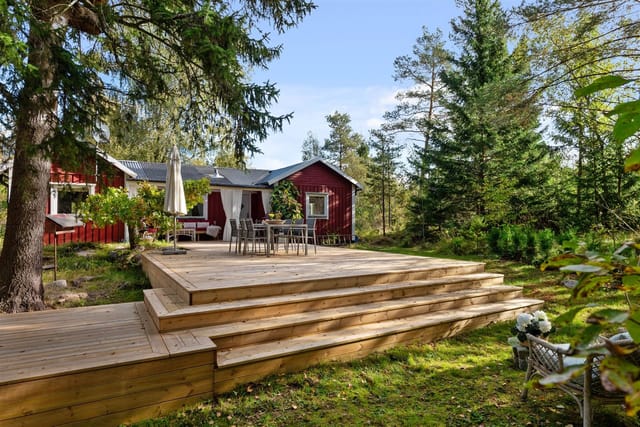
Step out of the rear house on a July morning and the first thing you notice is the silence. Not the silence of isolation — the silence of a garden that has been properly tended, where bees are working the flower beds and the pool water catches the early light. Papenburg's city center is a ten-minute bike ride away, but right here on Heideweg, you could easily convince yourself you're somewhere far more remote. This is a genuinely rare setup: two fully detached houses sharing one expansive plot of 3,186 square meters in northern Germany's canal city, Papenburg. You don't see this very often. Two separate rooflines, two separate front doors, one shared garden with a private swimming pool, a wooden garden house, and a party room with its own bar. The possibilities are wide open — multi-generational family base, a main residence plus a fully independent guest or rental unit, a work-from-home compound with real separation between living and office life. People spend years looking for something like this. The front house dates to 1966 and runs about 121 square meters across two floors. It's been updated thoughtfully over the years — the bathroom was redone in 2003, wall insulation added in 2009, living room windows replaced in 2011. Downstairs, you'll find a living room with a fireplace, two additional reception and dining spaces, two bathrooms, and a storage room. That fireplace matters during a Lower Saxony winter, when January temperatures hover around two degrees and the light turns a particular flat grey that photographers love. The upper floor holds three bedrooms, and there's a partial basement for the practical overflow that any real household accumulates. The rear house, built in 1997, is where the personality of t ... click here to read more
Front view of Heideweg 6

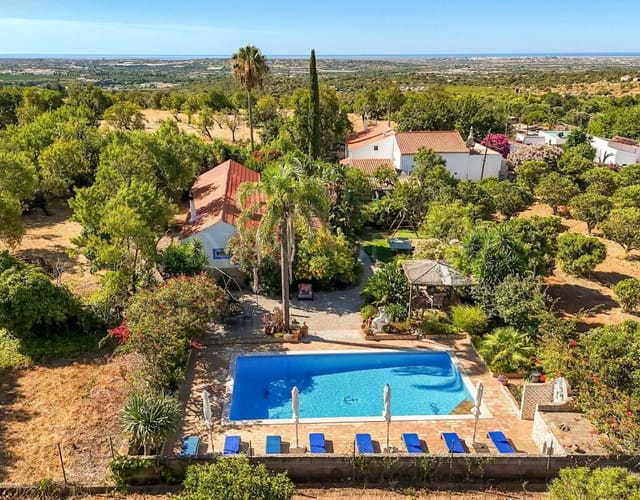
On a quiet morning in Chamberet, the smell of bread from the boulangerie on the main square drifts up through an open window before you've even thought about getting dressed. That's the kind of life this stone house makes possible. It sits close enough to the village centre that you walk everywhere — the weekly market, the café terrasse where the locals nurse their café allongé for an hour — yet the rear garden is private enough that you'd never know a soul was nearby. Built across three levels, the house is solidly constructed in the local stone that defines the Corrèze vernacular: thick walls that stay cool in July and hold the warmth from the marble fireplace through October and November. That fireplace, set in the open-plan kitchen and dining room on the ground floor, is the social heart of the place. The solid oak kitchen units run along one wall, fully equipped with a gas hob, oven, integrated dishwasher and fridge-freezer, and a breakfast bar where a pot of coffee and the morning papers make a perfectly reasonable excuse to sit for an hour. Garden views from the living area mean you're watching the seasons turn without having to step outside — though the wooden deck, right off the basement level and accessible straight from the garden, makes it very hard to stay in. Upstairs, the three bedrooms each carry an original fireplace — non-working now, but the kind of architectural detail that gives a room its personality. These aren't decorative afterthoughts; they're the reason the first floor feels like a proper French country house rather than a renovation project with aspirations. A shower room serves the upper floor, and two dressing rooms along the landing offer the kind of storage that older French houses rarel ... click here to read more
Picture 1

Picture this: it's a Tuesday morning in late June, the kind that only happens in southern Norway. The sun has already been up for hours by the time you step onto the 25-square-metre terrace with your coffee, and the Skagerrak is doing that thing where it looks almost silver before it turns blue. A wooden sailing boat putters past the pier — your pier, technically, with your five-metre berth waiting — and somewhere across the water someone is lighting a barbecue. This is Torsøya 42. And mornings like this are the whole point. Torsøya sits in the Randesund archipelago on the southern edge of Kristiansand, the sun-soaked coastal city that locals half-jokingly call the Norwegian Riviera. That nickname isn't just marketing. Kristiansand consistently records more annual sunshine hours than anywhere else in Norway, and the islands and inlets around Randesund are where the city's residents have been escaping to all summer long for generations. Torsøya itself is one of the larger islands in the area — large enough to have proper hiking trails winding through pine forest and along rocky shoreline, but small enough that you genuinely feel removed from the mainland hum. The house itself was built in 1902, and you can feel that age in a good way. The proportions are generous, the walls are solid, and there's a particular kind of calm that older Scandinavian timber houses hold. Spread across two floors with 127 square metres of interior living space on an 820-square-metre freehold plot, it's a proper island house — not a cramped cabin, but not so large it loses its cosiness either. The ground floor holds an entrance hall, a kitchen, bathroom, three versatile living spaces, and a bedroom. Many owners use the ground floor layout as on ... click here to read more
Welcome to Torsøya 42 - Presented by agent/partner Terje Kvelland Skaara at Exbo Eiendomsmegling!

Step outside on a crisp October morning and the valley below Lifjell is still catching its first light — birch trees blazing orange, the smell of frost on the grass, and not a sound except the wind moving through the pines above the terrace. That's what mornings feel like at Solskinsdalen 88. This is a place where the calendar doesn't matter much, because every season has something worth showing up for. Sitting on a natural leased plot of around 1,000 square meters in one of Telemark's most well-loved mountain areas, this three-bedroom cabin was built in 1971 and has been kept in good condition over the decades. At 50 square meters, the layout is compact but cleverly used — nothing wasted, everything where it should be. The open-plan kitchen and living room feel larger than the floor plan suggests, largely because the big windows pull the landscape inside. On a clear day you're essentially sitting in the mountains even when you're indoors, coffee in hand, watching the light shift across the hillside. The fireplace anchors the living room in the way only a real wood-burning hearth can. Come January, when snow is piled against the cabin walls and the temperature drops well below zero, this is the room where everyone gravitates. After a long day on skis, the ritual of stacking wood, getting the fire going, and collapsing onto the sofa is exactly the kind of uncomplicated pleasure that makes people come back year after year. Three bedrooms handle the sleeping arrangements for the whole family or a group of friends. There's one bathroom — fitted with water and sewage connections, which is genuinely not a given at this altitude and in this type of mountain cabin area. The storage room is sized well enough for skis, poles, bo ... click here to read more
Aktiv v/Anne Åsne Seljordslia presents Solskinsdalen 88! Photo: Fodima AS

Picture this: it's a Saturday morning in late June, and the only sounds reaching you from the open kitchen window are birdsong, the soft creak of pine branches, and the distant lap of Aremarksjøen against the rocks below. Your coffee is brewing. The terrace— all 76 square metres of it— is catching the early light. This is what 119,500 euros buys you in Aremark, Norway. Not a fantasy. A real place you can drive to on a Friday evening and feel the week dissolve the moment you step out of the car. Bjørnetråkket 3 sits in the Skjulstad cabin area, a quietly cherished cluster of holiday properties tucked into the rolling terrain of Østfold county in southeastern Norway. This isn't one of those wild, remote Norwegian mountain retreats that demands a snowmobile and a survival course. It's accessible— genuinely so— with road access almost to the front door, about 120 kilometres from Oslo, meaning you can be here from the capital in under two hours on a Friday afternoon before the worst of the traffic builds. For international buyers flying into Oslo Gardermoen, the drive down through Østfold is a pleasure, particularly in autumn when the forest turns amber and rust along the E18. The chalet itself was built in 2002 and sits in very good condition. Fifty-seven square metres on the main floor doesn't sound enormous on paper, but the layout earns every centimetre. A bright living room opens generously enough for a proper dining setup— not just a fold-out table, but real meals with real company. The kitchen is functional and well-equipped, the kind of space where you actually want to cook, rather than just heat things up. A wood stove anchors the living room, and by October, when the birches have dropped their leaves and the air c ... click here to read more
Welcome to Bjørnetråkket 3!

Early on a September morning, the mist sits low over the fields stretching out beyond the kitchen window, and the only sound is birdsong. The coffee is brewing, the greenhouse needs checking, and today's only real decision is whether to cycle down toward Sjöbo or take the car out to the Österlen coast. That is the kind of morning this property deals in, every single day. Set on an elevated plot along Lilla Röddevägen in Blentarp, this is a proper Swedish landsted — a 350-square-metre country home built in 1989 that has been kept in genuine good condition, with enough space to accommodate an extended family, a rotating cast of friends, and still find a quiet corner to yourself. Two residential units, nine rooms in total, five bedrooms, two bathrooms, a double garage, and 4,821 square metres of land that includes a greenhouse, manicured hedges, open lawns, and unbroken views across rolling Skåne farmland. It is the kind of property that rarely appears on the market in this part of southern Sweden, and when it does, it doesn't stay there long. Inside, the bones of the house are what you notice first. Exposed wooden beams overhead, wide plank floors underfoot, white plastered walls that catch afternoon light in a way that painted drywall simply never does. The open fireplace in the living area — fitted with built-in log storage — is not decorative. It works, it draws well, and by November you will understand exactly why the previous owners installed it. The living room and kitchen flow into each other naturally, the large windows doing the work of framing whatever the season is showing off outside: bright green barley in June, frost-dusted fields in February, the strange amber light of a Skåne October that painters have be ... click here to read more
Front view of the estate

Step outside on a January morning and the ski trail is literally right there — 100 meters from your front door, already groomed, cutting a pale ribbon through the snow toward Hallingskarvet. You don't need to drive anywhere. You just clip in and go. That's the daily reality at Murstadvegen 14 in Haugastøl, a three-bedroom Norwegian mountain chalet sitting at roughly 1,012 meters above sea level on a generous 3,046-square-meter plot with direct sightlines over Sløddfjorden and the long, dramatic ridge of Hallingskarvet National Park. At 395,000 EUR, it's rare to find this combination of views, access, and practical year-round infrastructure in one of Norway's most beloved highland destinations. The chalet itself dates to 1987 and has been kept in solid condition — this isn't a renovation project. The 83 square meters of interior space are laid out with clear intention: a main living and dining room with a fireplace where the family naturally gravitates after a cold day out, a fully equipped kitchen adjacent to it, and a separate TV lounge so teenagers and parents can each have their own corner in the evenings. Three bedrooms sleep the full household. One bathroom with WC serves the property, which is standard for a cabin of this era and size in Norway. The 31-square-meter balcony is the real showstopper — a wide timber platform facing the fjord, wide enough for a proper outdoor table, a few chairs, and a long evening with the kind of silence you can't manufacture anywhere closer to a city. The road in is plowed through winter. That matters more than it sounds. A lot of Norwegian mountain cabins at this elevation become inaccessible or difficult to reach from December through March, which is precisely when you'd most wa ... click here to read more
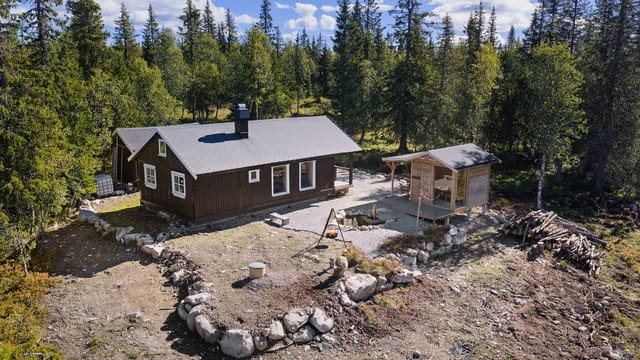
Welcome to Murstadvegen 14 (Photo: Pål Harald Uthus)

Early June morning in Tived: the forest is completely silent except for a woodpecker somewhere back in the pines, and the air carries that particular smell — cold water, moss, and something faintly resinous — that you only get this deep into Swedish wilderness. You step outside with your coffee, barefoot on the grass, and realize you're about three minutes from one of the most raw and untouched stretches of nature in Scandinavia. That's the daily reality at Göte Hellmans väg 5. This compact one-bedroom house sits in the quiet cottage community of Tived, in Laxå municipality — a part of Sweden that most international visitors never find, which is precisely what makes it so good. The property spans 44 square meters of interior space on a generous 963-square-meter plot, giving you far more garden than house, in the best possible way. Built in 1966 and currently in good condition, it's a classic Swedish holiday cottage with honest bones and serious potential. Let's talk about what surrounds it first, because the location is genuinely the headline here. A short walk takes you down to Sannerud and the shores of Lake Unden, one of Värmland's larger lakes, where the water runs clear and cold and the small marina sees more rowboats than speedboats. There's a local beach for swimming through July and August, a boat ramp along the tourist road for a small fee if you want to launch your own vessel, and fishing that draws regulars back season after season — pike and perch mostly, if you ask around. The pace is unhurried. Nobody is in a rush. That's the point. Tiveden National Park is roughly 10 kilometers away. If you haven't been, it's worth knowing that Tiveden is unlike the manicured Scandinavian nature reserves you might expec ... click here to read more
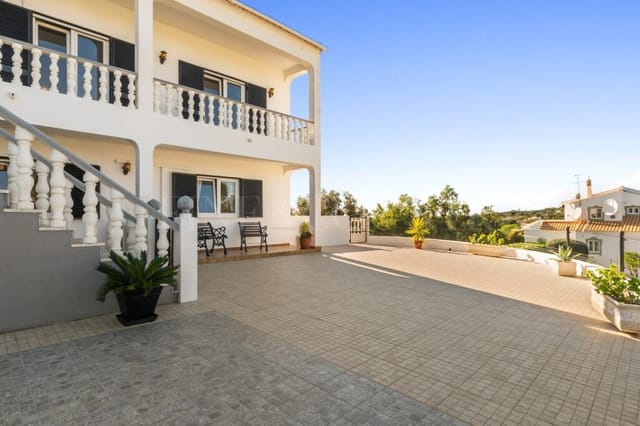
Exterior view of the house and garden

On a still morning in early October, you walk out of the kitchen door onto the south-facing terrace with a bowl of coffee, and you realize you can hear absolutely nothing. No traffic. No sirens. Just the faint rustle of chestnut trees down the slope and, somewhere far off, a woodpigeon. Below you, the grounds roll away toward a private forest where cepes and chanterelles push through the leaf litter after autumn rain. The fruit trees — hazelnut, plum, cherry, pear, apple, grape, even an olive — are heavy at this time of year. This is what €259,950 looks like in the Haute-Vienne. This three-hundred-year-old stone cottage and its attached barn in Domps have been painstakingly transformed over two decades into a warm, practical, deeply liveable home. It's 176 square metres of honest rural architecture — exposed stone walls, original timber beams, thick window reveals — brought properly up to date. New roof. Re-done plumbing and electrics to current French norms. Double glazing throughout. Fibre internet. The bones are ancient; everything that matters is sound. Step inside and the kitchen sets the tone immediately. At 41 square metres, it's a serious room — big enough for a long farmhouse table and still have space to breathe. The centrepiece is an original fireplace now housing a pellet burner that quietly heats the majority of the house. This is the room where the house lives. Coffee in the morning light. Wine before dinner. Guests drifting in from the terrace. Adjoining it, a generous living room with a separate dining area pushes another 41 square metres and opens via French doors onto the front of the property. Its Godin wood-burning stove runs almost for free, given what's standing in your forest. A separate office o ... click here to read more
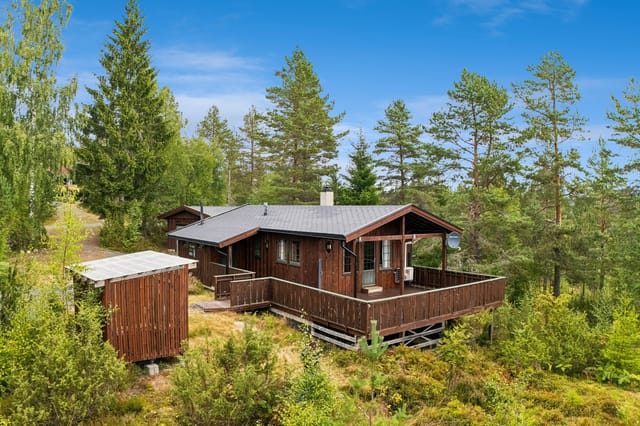
Picture 1

Picture this: a slow Sunday morning, coffee in hand, south-facing deck soaking up the kind of Scandinavian summer light that seems to last forever. The fields behind the garden are dead quiet except for a distant tractor and the occasional gust off the Öresund. That's the rhythm of life at Ängagårdsvägen 33 in Beddingestrand — unhurried, grounded, and exactly what a second home in southern Sweden should feel like. Built in 1945 and thoughtfully extended over the decades, this 62-square-metre cottage carries the kind of character that only comes with time. It's not overworked or over-renovated. The bones are solid, the layout is smart, and the result is a home that feels genuinely lived-in — in the best possible sense. Two bedrooms, one bathroom, a kitchen with a proper dining nook, and a living room with large windows that pull in the surrounding greenery like a living painting. For a coastal holiday home in Skåne, this is a sweet spot: compact enough to lock up and leave without stress, spacious enough to host a small group of friends or spend a full summer season with family. The deck is where this property really delivers. South and west-facing, it stretches wide enough for a proper outdoor table, a few loungers, and the kind of lazy afternoon that stretches past dinner. In late June and July, the sun doesn't quit until well after 9pm here, and you'll feel every minute of it out on that wooden platform. The garden itself — 400 square metres — borders open farmland on one side and a small woodland grove on the other. Maintenance is genuinely low. No elaborate landscaping to manage from afar, just grass, air, and a natural screen that keeps things private. Beddingestrand sits along the southwestern tip of Skåne, the ... click here to read more
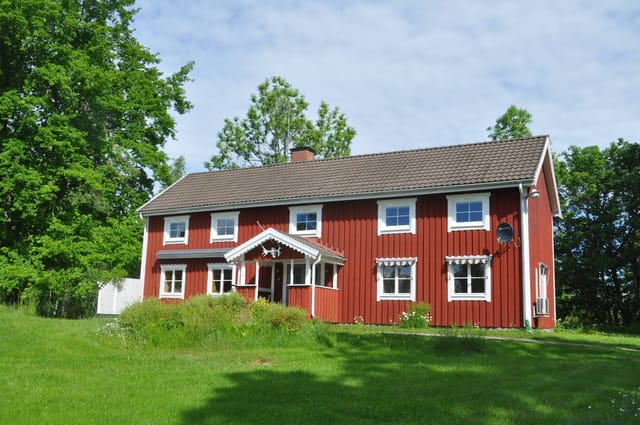
Front view of the summer cottage

There's a specific kind of quiet that settles over Eklundsfältet on a Tuesday morning in July. No traffic. Just birdsong, the distant lapping of Lake Måsnaren, and the smell of sun-warmed wood drifting through an open window. You put the coffee on, step onto the patio in your slippers, and the day belongs entirely to you. That's the reality of life at Gurkstigen 37 — a compact, well-kept summer cottage sitting in one of Södertälje's most sought-after allotment communities, just 50 metres from the water's edge. Eklundsfältet is the kind of place that takes ten minutes to fall in love with. It's a proper Swedish allotment area — organised, leafy, with neighbours who actually know each other's names. The association house, Aklejan, sits just a short walk from the cottage and gives you access to shared showers and laundry facilities, which means longer stays are genuinely comfortable rather than a compromise. There's a real community spirit here. Midsommar gets celebrated properly. People share seeds, tools, gardening tips, and occasionally a cold beer over the fence on hot afternoons. The cottage itself covers 30 square metres — and yes, that sounds modest, but the layout makes every centimetre work. Large windows pull in the daylight and give the interior a sense of airiness that belies the footprint. The living space is warm and considered, with nothing wasted. What sets this cottage apart from many others in the area is the indoor toilet — genuinely rarer than you'd expect at this price point and in this type of property — and a wood-burning stove in the kitchen that doubles as both cooking surface and the fastest way to take the edge off a cool May evening. Light it up, pour a glass of something, and the whole space ... click here to read more
Exterior view of the cottage and garden

Step off the porch on a September morning and the air smells of pine resin and wet moss. A pair of cranes are calling somewhere over Lake Nedingen—just 200 meters down the track. The coffee is on, the wood stove is ticking quietly in the corner, and the conservatory glass is steaming up at the edges. This is what a Tuesday feels like at Kantarellvägen 57. Not a weekend. A Tuesday. That's the thing about this property in Fornbo, a small lakeside community tucked inside Flens municipality about 120 kilometers southwest of Stockholm. It was built to be lived in across all four seasons, and it genuinely delivers on that promise. The 1990 house sits on a 1,890 square meter plot with mature birch and rowan trees framing a series of open lawns—the kind of garden that gives you options. Hammock between trees in July. Firewood stacked along the southern shed wall come October. Snowdrops pushing through frozen soil in late March, right when you start craving proof that winter actually ends. The 80 square meters inside are laid out with more intelligence than you'd expect from the footprint. The living room anchors everything, centered around a wood-burning stove that throws real heat—not the decorative kind. On evenings in November, when the lake freezes at the edges and the light drops at three in the afternoon, that stove earns its place. The dining area seats six comfortably, which matters when you're hosting the extended family for a Swedish midsommar dinner that spills from afternoon into midnight. The kitchen is practical and well-equipped, with enough counter space to actually cook rather than just reheat. The glazed conservatory—what Swedes call an uterum—might be the room that sells this house. It runs along the garden ... click here to read more

Front view of the house and garden

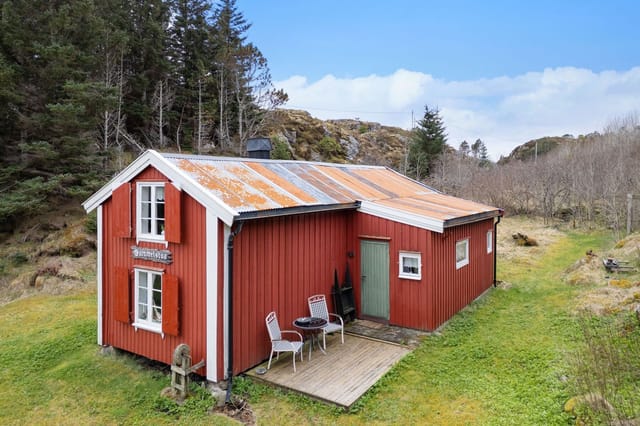
Picture this: a quiet Tuesday morning, frost still on the ground, and you're standing at the edge of your own 523-square-meter plot in Gulsetmarka while the Skien ski trails are being groomed just eleven minutes up the road. Nobody else around. Just pine trees, the crunch of snow underfoot, and a 1952 cabin that's yours to remake entirely from scratch. That's not a compromise — for the right buyer, that's the whole point. This is a raw project. It needs to be said upfront because the buyers who'll fall in love with this place are the ones who hear "full renovation needed" and feel a spark of excitement rather than hesitation. The 37-square-meter cabin at Vestre Gulset 260 is structurally intact, sitting on freehold land with electricity already connected and water from a private well. The bones are there. What comes next is entirely up to you. Gulsetmarka sits on the western fringe of Skien, and if you know the area, you know why people here are fiercely protective of it. The trail network that runs directly from this property is part of a much larger system maintained by the local friluftslag — the Norwegian outdoor associations that take the marking and grooming of these paths seriously year-round. In winter, cross-country ski trails fan out from practically your doorstep. Come April, those same routes become mountain bike tracks and hiking paths cutting through birch and spruce forests that smell of earth and rain. In July and August, the evenings stretch so long that you'll find yourself out walking at nine o'clock with full light overhead, something that genuinely never gets old. The single-floor layout — one open room, no fixed bedrooms — is not a limitation. It's an invitation. Scandinavian hytte culture has al ... click here to read more
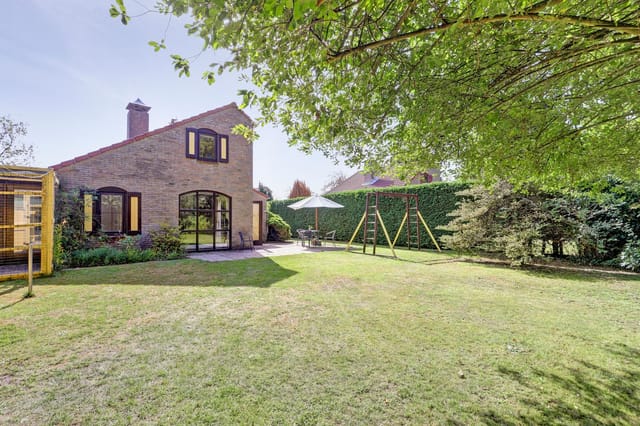
Photo: A7 media