Houses For Sale In Europe (page 4)

Houses for sale in europe - homestra offers the largest amount of european real estate with over 200,000+ properties, find any type of property within your budget from villas to country homes. buy or rent your perfect home in europe. (page 4)

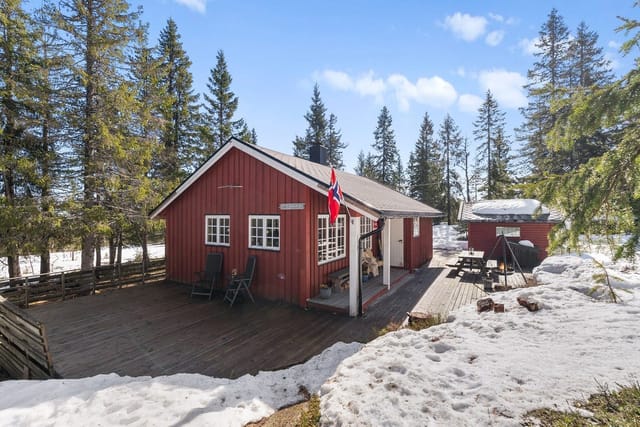
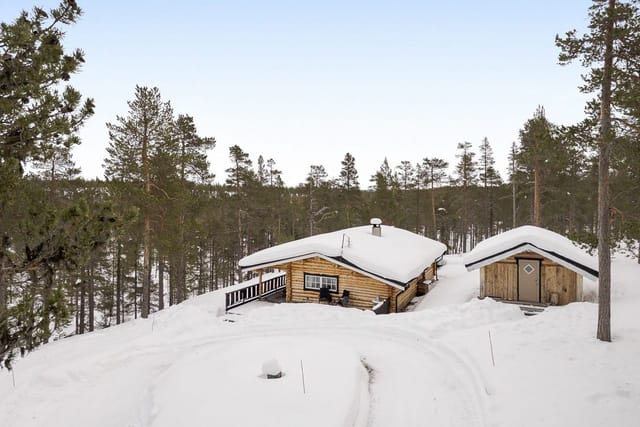
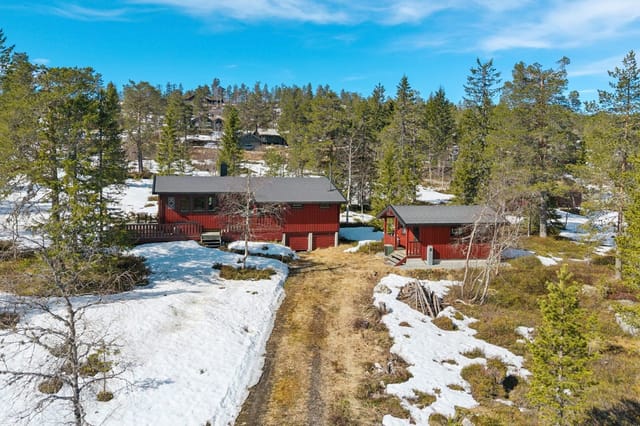
Picture this: it's 7am on a February morning, the kind where the cold outside is almost theatrical. You pull on your ski boots at the front door, step onto the snow-packed path, and within four minutes you're on a groomed cross-country trail that cuts through pine forest so quiet the only sound is the hiss of your skis and your own breathing. That's not a fantasy. That's a Tuesday at Trysilfjell Hytteområde 537. Trysil is Norway's largest ski resort, and this chalet sits inside the Trysilfjellet cabin area at roughly 643 meters above sea level — high enough that the snow arrives early in November and sticks around well into April. The alpine slopes of Trysil Alpinsenter are just 300 meters from the front door. The ski bus stops directly outside, which means you can send the kids off to ski school independently, or pile onto it yourself after a long morning on the mountain without ever worrying about parking. Cross-country trails? Less than 100 meters away, freshly groomed most mornings throughout the winter season. After a full day outdoors — whether that's carving runs on Heistoppen, taking the long Nordic loop through Søndre Trysil, or simply building a snow fort with children — you come home to a fireplace insert that throws serious heat into the open-plan living and kitchen space. The layout here is genuinely social. No awkward wall separating whoever's cooking from the rest of the group. The kitchen has wooden-front cabinetry, laminated worktops, and a proper extraction hood over the stove — functional without being clinical. Someone fries reindeer sausages while others peel off their base layers and argue about who had the better fall on the black run. This is exactly the kind of room that holds those memories. ... click here to read more

Welcome to Trysilfjell Hytteområde 537! Photo by Efkt/Johan Anderson.

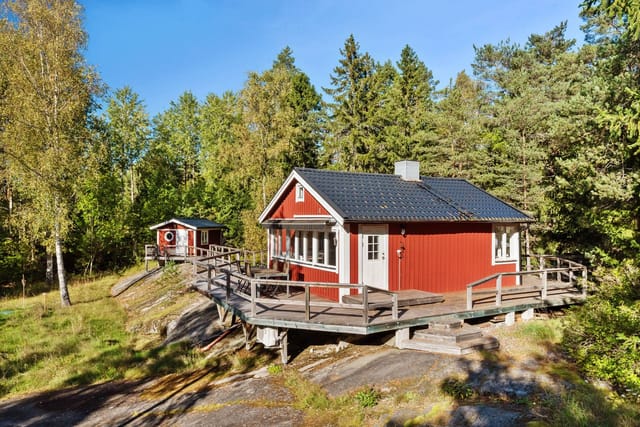
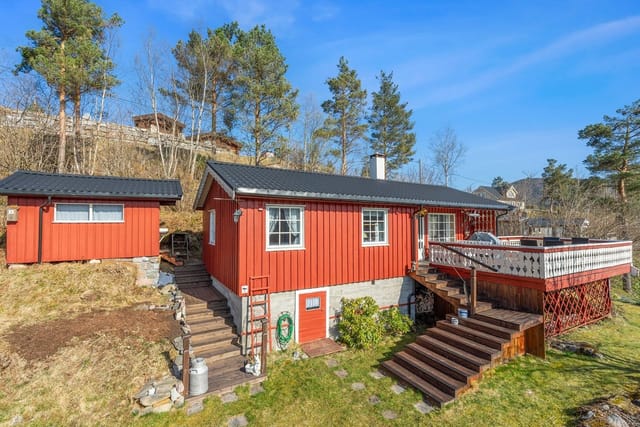
Stand on the south-facing terrace at Risvikstien 6 on a July evening and you'll understand immediately why people come to this stretch of the Trøndelag coast and never quite manage to leave. The light at that hour is extraordinary — low, golden, pulling long shadows across the water — and from up here, with the Fosen peninsula spread out below you, the noise of the world feels very far away. That terrace, built in 2020 and generously proportioned at 66 square meters, is honestly the heart of this property. You'll eat breakfast out there. You'll lose track of time out there. That's the point. This is a two-bedroom holiday chalet at Risvikstien 6 in Oksvoll, a quiet coastal settlement in the municipality of Ørland, Trøndelag. The main cabin covers 44 square meters — compact, yes, but thoughtfully laid out with a living room, kitchen, bathroom, and two bedrooms that sleep up to six comfortably. An 11-square-meter annex sits separately on the 715-square-meter plot, which gives the whole place a flexibility that a single structure never could. Guests get their own space. Kids get their hideaway. You get the cabin to yourselves. The sea is 200 meters away. Not a figure of speech. Two hundred meters down the lane and you're at the water's edge. Oksvoll sits on the southern tip of Fosen, a broad peninsula that juts into the Trondheim Fjord between the open sea and sheltered inner waters. This geography matters enormously for how you'll actually use the place. The coastline here is a mix of smooth rock shelves worn flat by millennia of tide and small sandy inlets that warm up quickly in June. Local families have been swimming off these rocks since before anyone can remember. You'll find yourself doing the same within about for ... click here to read more

Picture 1

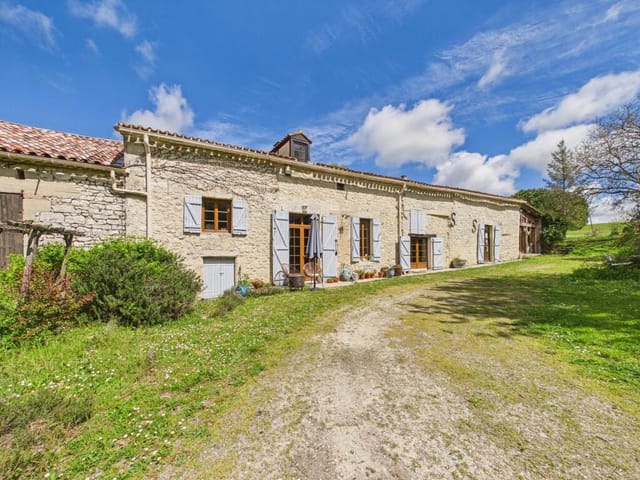
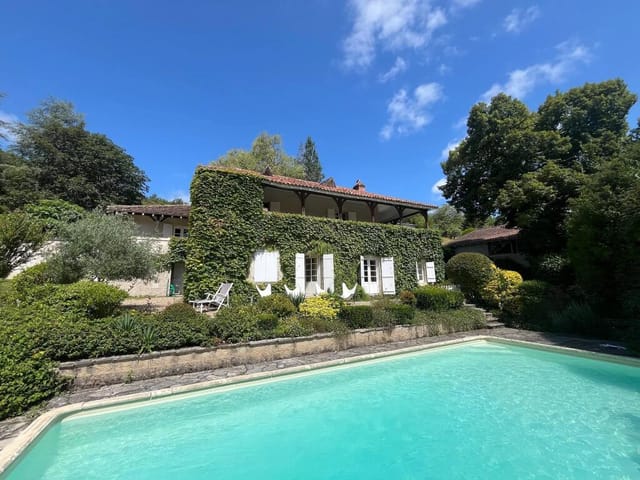
Stand on the wooden deck beside the pool at seven in the morning, coffee in hand, and the Pyrenees are right there — close enough that you can pick out the ridgeline detail, far enough away to feel like a painting. The air smells of pine resin and warm stone. No road noise. No neighbors. Just swallows cutting arcs above the meadow and the low hum of your own private world. That is the daily reality at La Forge del Mitg, a six-bedroom country estate spread across nearly 10 hectares of Catalan foothills just outside Saint-Laurent-de-Cerdans, a small working village in the Pyrénées-Orientales department — the very southern tip of France, where the culture tips Spanish and the light tips golden almost year-round. This is not a property that requires imagination to inhabit. Renovated progressively through to 2020, with four distinct buildings on site and a swimming pool that faces south toward the mountains, it is ready to be lived in from the moment you arrive. The main house runs to roughly 112 square metres across two floors. Downstairs, an open-plan kitchen and dining area opens into a living room with cathedral ceilings and a working fireplace insert — the kind of space where a wet November afternoon actually feels like an occasion rather than something to endure. A French balcony bedroom, bathroom, and laundry room round out the ground floor. Upstairs, two more bedrooms and a generous master with a built-in wardrobe. The proportions are honest and liveable, not inflated for a brochure. Attached to the main building is a 48-square-metre ground-floor apartment with its own entrance. Three rooms, open kitchen, two bedrooms, a walk-in Italian shower that is also wheelchair accessible. This space functions brilliantly for ... click here to read more

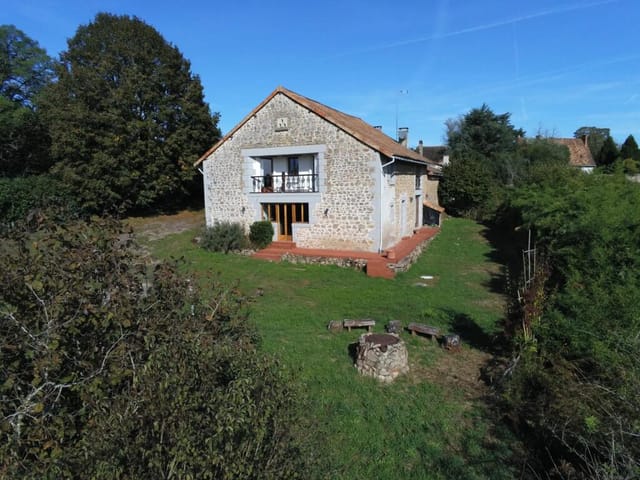
Main view of La Forge del Mitg 66260

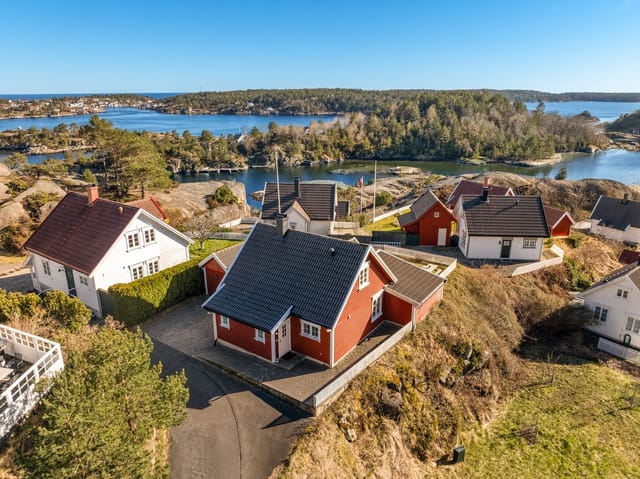
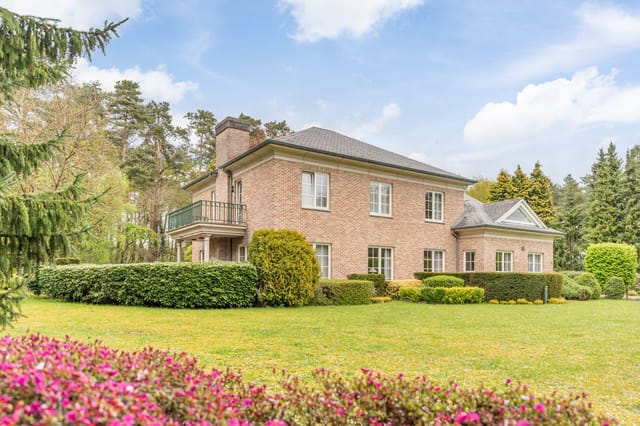
Picture a Saturday morning in early June. You open the kitchen window and the air carries salt from the Øresund, maybe a trace of coffee from the bakery two streets over on Gl. Strandvej. It's quiet enough to hear a bicycle tick past on Ejlersvej. This is what daily life feels like in Humlebæk — unhurried, sharp with coastal air, and just forty minutes from Copenhagen by train. Built in 2018, this three-bedroom brick villa at Ejlersvej 8 is the kind of property that does its job so well you stop noticing the design and just start living in it. That's actually a compliment. The floor plan moves with you rather than against you — open living and dining areas that shift naturally into the garden, bedrooms with generous windows that pull in the northern light, a kitchen arranged around a central island so a Sunday morgen brød session doesn't feel cramped. The black steep-pitch roof against pale exterior brick gives the house a clean, grounded silhouette that reads unmistakably Danish without feeling like a showroom. The kitchen deserves its own moment. Light wood cabinetry, a tiled backsplash, a large window angled toward the garden — it's set up for actual cooking, not just photography. The island has a sink, which matters more than people realize until they're prepping a pile of fresh langoustines from the Helsingør fish stalls and need a second water source. Modern appliances throughout, nothing gimmicky, everything functional. Both bathrooms are finished with contemporary fixtures, walk-in showers, and quality tiling. Two separate toilets mean weekend guests and school-morning chaos don't collide. The master bedroom opens directly onto the garden — on warm evenings, that sliding connection between inside and outside i ... click here to read more

A brick villa with a black roof stands in a garden with a lawn and bushes. A fence surrounds the property, and some potted plants are on the terrace.

Stand at the kitchen window on a still October morning and watch the old water wheel turn against a backdrop of copper-tinged birch trees. The mill lade runs quietly below, the same stone channel that carried water here since 1733. That's the kind of detail that stops you mid-pour and makes you set your coffee down slowly. Longhill Mill isn't a conversion you walk through with a checklist — it's a place you walk through and start mentally rearranging your life. Sitting on the northern edge of Lhanbryde, just off the A96 between Elgin and the Moray Firth, this Grade A Listed former mill house occupies 0.96 acres of mature grounds on the boundary of the historic Innes Estate. The drive in alone tells you something is different: you arrive via the original mill lade, past the restored water wheel, and into a property that has been lived in thoughtfully for over twenty years since its 2003 conversion. The bones of the building go back to 1733. Rebuilt after a fire in 1891, the mill has spent the last two decades being gradually shaped into a genuinely comfortable family home — not a showroom, but a real working residence with five bedrooms, two bathrooms, and a self-contained annex that has been running as a successful holiday let for the past five years. Original grain hoppers, exposed timber beams, and millstones remain where they've always been. Nobody ripped them out and installed recessed downlights everywhere. Smart choices. The ground floor opens into a welcoming lobby with a double bedroom and a shower room that doubles as a utility — useful if you've just come back from a walk along the Burghead coastal path and don't need to traipse through the house. Head upstairs and the space opens up considerably. The kitche ... click here to read more

Front view of Longhill Mill

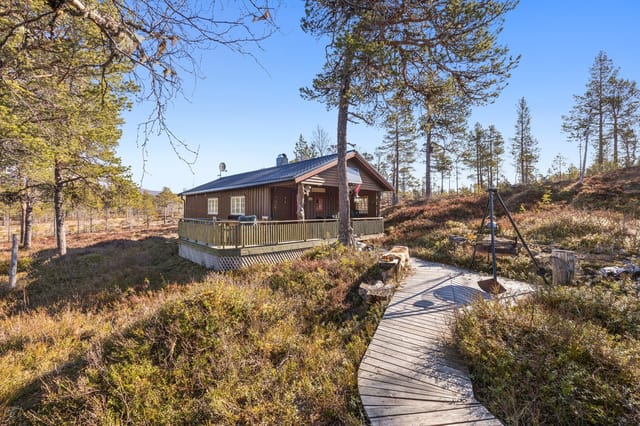
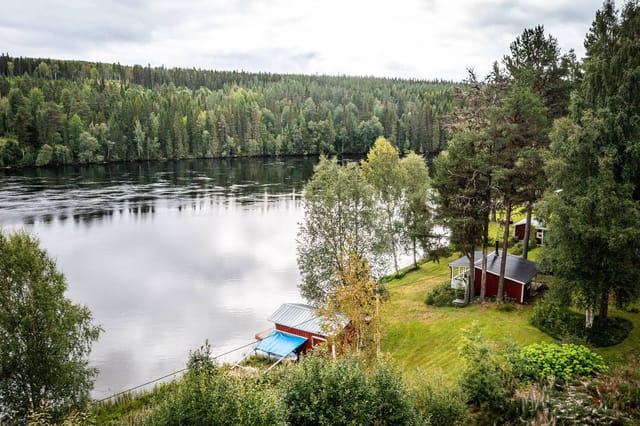
Pull on your boots at the door and ski straight into 100 kilometers of groomed trails. That's the reality of mornings at this three-bedroom Norwegian mountain chalet in Veggli — a proper, no-fuss cabin sitting 850 meters above sea level at the end of a quiet cul-de-sac on Søre Vorsetkroken, where the only sound after snowfall is the creak of pine trees and, if you're lucky, the distant knock of a woodpecker working through the bark. This is Søre Vegglifjell. Not a resort, not a development — an established, authentic Norwegian cabin community where families have been coming for generations. The nearest trailhead is 350 meters from your front door. The nearest neighbor is far enough away that you won't hear them. And the road stays clear all year, which matters more than people realize until the first time they try to reach a Norwegian mountain cabin in November with a car full of kids and gear. Inside, the 76-square-meter layout does what good cabin architecture is supposed to do: it makes every meter count. Walk in and the wood-burning stove in the living room immediately does the emotional heavy lifting. It's that kind of room — windows framing the mountains to the west and northwest, the light changing through the afternoon from sharp and white in winter to long and golden in July, when the Norwegian summer stays bright until almost midnight. The open plan means the kitchen, dining area, and living space all flow together, which is exactly what you want when eight people are coming in from a ski day simultaneously, wet jackets piling up, something warm on the stove. The kitchen is sensible and complete — stove, fridge, microwave, all included. A bar counter separates it from the dining space, which opens directly o ... click here to read more

Welcome to Søre Vorsetkroken 42! Cabin with a beautiful location in an established cabin area at Vegglifjell.

Step outside on a January morning, and the only sound is the creak of snow settling on the roof. The Lifjell ridge glows pale orange in the early light, and the cross-country ski trail — just 350 meters down the track — is freshly groomed. Coffee in hand, you're already planning the first run before breakfast. This is Toppenvegen 57. Perched at around 780 meters above sea level in the Hjartdal municipality of Telemark, this three-bedroom mountain chalet occupies one of those rare spots where you feel genuinely above the noise of ordinary life. Mælefjell and Lifjell dominate the view from the south-facing terrace, and depending on the light — midday sun in July, pink alpenglow in February — they look completely different every single day. The 34-square-meter terrace isn't an afterthought here. It's where you eat dinner in summer, dry your ski socks in winter, and spend long September evenings watching the valley below disappear into mist. Built in 2000 and kept in good condition throughout, the chalet has the kind of straightforward, honest design that Norwegians do so well. Nothing pretentious. High ceilings with exposed timber beams give the living room a sense of space that the 58-square-meter footprint might not suggest. The wood-burning stove with its glass door and decorative stone surround is the heart of the room — on cold nights, the fire does more work than the ceiling lights, and that's exactly how it should feel. Large windows pull the mountain panorama inside, framing Mælefjell like a painting that changes with every weather system rolling in from the west. The kitchen is practical and compact, with a laminate countertop, downlighting, and dedicated space for freestanding appliances. A small dining nook si ... click here to read more

EiendomsMegler1 v/Halvor Østerli presents Toppenvegen 57

Stand at the kitchen window on a still October morning and the loch is glass. Mist sits low in the pines across the water. A red squirrel — there's a small colony in the Farigaig woods just up the track — moves along the garden wall and vanishes. The church bell from Foyers carries faintly on the wind. This is not a postcard. This is Tuesday. Hillhead Croft is a proper 1800s stone cottage on the east shore of Loch Ness, about two miles south of Foyers along the B852 — one of the quietest, most genuinely scenic roads in the Highlands. Three bedrooms, four bathrooms, 146 square metres of solid-walled living space, and a third of an acre of enclosed garden backing onto open Highland countryside. It's been well looked after. Move in, light the wood-burner, and start living the life you've been imagining. The building itself has real substance. Original beamed ceilings and deep stone windowsills that were here when Napoleon was still a going concern. Wood floors that creak in exactly the right places. But it's not a museum piece — the kitchen runs a proper freestanding electric range alongside an integrated dishwasher, and every bedroom has its own ensuite shower room with mains-fed pressure. That detail matters more than you might think when you've got three generations under one roof during a week in August. No one is queuing for the bathroom. No one is annoyed. The ground floor bedroom deserves a mention on its own. High ceilings, direct garden access, and a full ensuite — it works brilliantly as a guest suite, a work-from-home base, or accommodation for elderly relatives who'd rather not tackle the stairs. The dual-aspect lounge with its wood-burning stove in the original stone surround is where the evenings happen: a ... click here to read more

Main Image

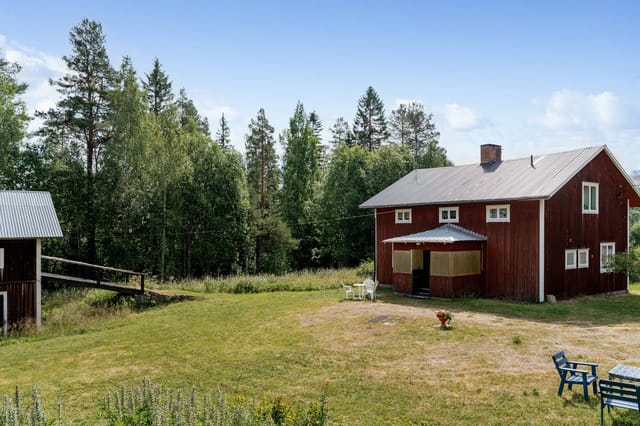
On a still morning in late June, the lilac hedge at the front of Citadellvägen 37 fills the air with something that stops you mid-step. You stand there a moment, coffee in hand, listening to the sound of a neighbor's trowel working the soil two plots over, a distant church bell somewhere toward the center of Landskrona, and underneath it all — almost nothing. Just wind in the birch leaves. This is what daily life looks like at one of Sweden's most storied colony communities, and it's considerably more addictive than it sounds on paper. Citadellet's allotment colony is genuinely old. Built in 1929 and rooted in Sweden's deep tradition of trädgårdskoloni living, the area around Citadellvägen feels lifted out of another era — in the best possible way. The winding footpaths between plots are narrow and unhurried. The cottages are small and individual. The gardens are lavish, seriously tended, and strikingly varied: one plot is a riot of dahlias, the next a productive kitchen garden with tidy rows of runner beans and dill. Nobody is rushing anywhere. The cottage at number 37 sits on approximately 500 square meters of garden and comes in at 37 square meters of interior space — compact, honest, and designed around what actually matters. Step inside and you're met with a living area that does double duty as a sleeping space, a double bed tucked into the room in a way that feels intentional rather than improvised. Light comes in well. The mood is calm. A few steps down — the floor level drops, which gives the kitchen its own distinct character — you find a room lined with warm wooden paneling and wooden floors that have clearly been looked after. It smells faintly of pine. The kitchen is small but genuinely functional, the kind ... click here to read more

Exterior view of the garden cottage

You wake up to silence so complete you can hear the snow settling on the pine branches outside. No traffic. No notifications. Just the tick of the wood-burning fireplace still throwing heat from last night, and through the vaulted windows, a sky going pink over Domfettjern. This is what mornings look like at 974 meters above sea level in Flå — and once you've had a few of them, ordinary weekends at home start feeling like a poor substitute. Sitting on Dagalivegen 47 in the Numedal highlands of Buskerud county, this two-bedroom cabin was built in 2005 and has been kept in genuinely good condition — not the kind of "good condition" that real estate listings use as a polite warning, but actually well looked after, with a kitchen that works, a terrace that invites you to linger, and a loft that teenagers immediately want to claim as their own. At 58 square meters of interior space plus a 24-square-meter wraparound terrace, it's compact without feeling cramped, the kind of place where a family of five fits comfortably and everyone ends up in the same room anyway because the living area is too good to leave. The open-plan kitchen and sitting room are the heart of the cabin. A vaulted ceiling draws the eye upward while four windows pull in the mountain light, and in the evenings the fireplace does what fireplaces at altitude do best — turns a cold night into something genuinely cozy. The kitchen itself has profiled cabinet fronts and a solid wood countertop, a gas stove, and an extractor fan that vents externally, all of which matters when you're cooking something hearty after a full day on skis. There's a sofa group big enough for the whole family, a proper dining area, and direct access through glass doors onto the terrace. ... click here to read more

Front view of the cabin

Step outside on a quiet Tuesday morning in October and the only sounds you'll catch are the wind moving through the old oak trees and, faintly, the call of migrating birds crossing the flat South Jutland sky on their way to the Wadden Sea. That's your view from Horskjærvej 1. Not a neighbour's fence, not a busy road — just open countryside rolling toward one of Europe's great UNESCO landscapes, and a house behind you that's been standing since 1920 and has every reason to keep standing for another hundred years. This is rural Denmark the way it actually feels from the inside. Øster Gasse sits just east of the market town of Skærbæk, which means you get the silence of the countryside without the disconnectedness that sometimes comes with it. A ten-minute drive gets you to the shops, the school, the bakery on Storegade where locals pick up freshly baked rundstykker on Saturday mornings. The Wadden Sea National Park, Denmark's only UNESCO World Heritage site, is close enough to visit on a whim — an evening cycle down the flat bike paths, binoculars around your neck, timing your arrival with the late-afternoon tide. This is the kind of life people move to South Jutland to find. The house itself tells a story of practical care rather than quick flips. Originally built in 1920, it's been extended and renovated thoughtfully over the decades, and today it sits at 284 square meters of living space spread across two sections and two floors. That division is one of its most interesting features. The main section — 167 square meters — holds the core of daily life: a well-fitted kitchen with a dishwasher, an open dining area, a comfortable living room, and a master bedroom with built-in wardrobes. The bathroom here has underfloor h ... click here to read more

A farm consisting of several buildings arranged in a U-shape, surrounded by fields and trees in a rural area.

On a quiet morning in the Dordogne, you open the shutters of a stone farmhouse and the garden hits you all at once — the scent of cut grass still damp from overnight rain, the faint sound of a church bell drifting in from Eymet's medieval bastide, a swallow darting low over the saltwater pool. This is what owning this three-gite complex outside Eymet actually feels like. Not a hotel. Not a rental investment spreadsheet. A real place, with thick stone walls and oak beams worn smooth over centuries, that happens to pay for itself when you're back home. The property comprises three fully renovated and individually furnished dwellings — a one-bedroom, a two-bedroom, and a three-to-four-bedroom cottage — set across half an acre of mature walled gardens. Each one has its own kitchen, living and dining space, and bathroom, so you can host a multigenerational family gathering without anyone tripping over each other, or rent out two units while you stay in the third. That flexibility is genuinely rare, and in this corner of southwest France, it's worth a lot. The renovation work is thorough and thoughtful. Stone walls have been kept where they belong — on full display, not plastered over. Exposed beams run the length of the ceilings. But there's nothing rustic-to-a-fault about the practicality: electric radiators and wood-burning stoves mean the season stretches well beyond July and August, double glazing keeps heating bills honest, and a newly installed fosse septique (October 2023) means one major infrastructure cost is already behind you. The pool liner was replaced in June 2025. This is a property someone has been maintaining properly, not parking and hoping for the best. That 10m x 5m saltwater pool is the centre of summe ... click here to read more

Picture 1

You wake up to silence. Not the city kind of silence that's really just a lower hum of traffic and neighbor noise — actual silence, broken only by wind moving through spruce trees and the distant creak of a ski lift warming up for the day. That's a Saturday morning in Haugsdalen, and once you've had a few of them, it becomes very hard to go back. This single-level chalet sits on a 998-square-meter freehold plot in Rissa, a corner of Trøndelag county that most international buyers haven't discovered yet — which is precisely the point. The Indre Fosen peninsula has been drawing Norwegian families to its forests and fjord edges for generations, and this five-bedroom cabin, built in 1985 and kept in genuinely good condition, is the kind of property that doesn't come to market often. Five bedrooms. Thirteen sleeping places. One level. No stairs to navigate after a long day on the slopes. The ski lift is literally one minute from the front door. Walk out, boots already on, and you're there. That detail alone changes the calculus on a winter holiday home — no shuttles, no parking queues, no rushing. In January and February, when the snow settles deep across the Fosen hills, you'll understand why this matters. The elevation sits at around 276 meters above sea level, high enough to hold good snow through the heart of winter, low enough that the approach roads stay manageable. Come March, the light starts returning in long golden stretches across the hillside, the kind that turns the snow surface into something almost liquid at dusk. But this property earns its keep across every season. Summer in Rissa is genuinely underrated. The Trondheim Fjord — Trondheimsfjorden — is within reach, and the inland lakes and streams around Hau ... click here to read more

Picture 1

Picture this: it's a Saturday morning in late June, and the light in Södermanland at 6am is already golden and warm. You step out through the old wooden door of a 1909 torp, coffee in hand, and the only sounds are birdsong and a light wind moving through the birch trees at the edge of your land. The barn across the gravel road still has bunting from last night's midsommar party. That's the kind of morning this property delivers—not occasionally, but every time you show up. Mellösa-Näs Björktorp is a rare find in the Swedish countryside south of Flen, a genuine piece of rural Södermanland with soul intact. The main house is a classic Swedish torp dating from 1909, and it's been looked after the right way. Not ripped apart and modernized into something soulless—kept. Original pine floors, vintage hand-printed wallpapers, a tiled kakelugn in the sitting room, and a wood-burning stove that makes winter evenings here genuinely cozy rather than performatively rustic. Five rooms across 65 square metres: tight, yes, but Swedes have been doing a lot with compact spaces for centuries, and this layout is thoughtful. What sets this property apart from every other Swedish cottage listing, though, is the barn. Fully renovated, insulated, with solid flooring and oil radiators that make it usable in October just as comfortably as in July. The interior has been fitted with a proper dance floor and guest sleeping quarters—finished to a real standard, not a rough-and-ready conversion. Swedes who grow up in the countryside understand what this space means: it's where the crayfish parties run late into the August night, where a cousin's wedding happens under paper lanterns, where the neighbours come on a Friday in December for glögg and pi ... click here to read more

Front view of the cottage and garden

Early morning in Yxtaholm, the air smells like pine resin and cold lake water. You pull on a sweater, step off the wooden porch, and walk three minutes through a birch-lined path to Mellösasjön. Nobody else is there. The water is dark and clear. This is what you came for. Set on Kvarnmovägen in the well-loved recreational enclave of Yxtaholm, this 1970s Swedish sommarstuga sits on a generous 1,698 square metre plot in the heart of Södermanland — a region of glittering lakes, quiet forests, and red-painted farmhouses that feels like it exists slightly outside of time. At 109,500 SEK, this is a genuinely accessible entry point into the classic Swedish summer cottage lifestyle, the kind that Swedes have guarded jealously for generations. The cottage itself was built in 1975 and spans 48 square metres. That's not a limitation — it's a design philosophy. Swedish summer homes are meant to push you outside, and this one does exactly that. Inside, the layout is efficient and warm: a combined living room and kitchen that catches morning light through large windows overlooking the garden, one quiet bedroom tucked away from the main space, and a bathroom with shower. The kitchen has what you need to cook a proper meal — a crayfish dinner in August, a pot of soup on a rainy September afternoon — without the excess of a city apartment. A small guest cottage sits alongside the main house. Solid enough for a friend to sleep in, or useful as a tool store and overflow space for the kayak paddles and fishing rods that will inevitably accumulate. Practical Swedish pragmatism in a small wooden structure. The garden is the real story here. Nearly 1,700 square metres of it, mature trees throwing long shadows across mown grass in the late ... click here to read more

Front view of the holiday home

Picture a Sunday morning in Fovrfeld. The kitchen smells like fresh coffee, the garden is catching the low Danish sun, and the only sound coming through the window is a neighbour's dog and distant birdsong. No traffic. No noise. Just that particular quiet that West Jutland does so well. This is the kind of house that settles you into a rhythm fast. Set on Norddalsvej in the popular Fovrfeld district of Esbjerg V, this single-storey villa is the kind of property that makes immediate sense when you walk through the door. Everything is on one level. Three bedrooms, a well-proportioned living room, a practical kitchen, and a garden that earns its keep across every season. At 130 square metres on a 700 square metre lot, there's real breathing room here — both inside and out. The L-shaped living room is where the house earns its keep daily. Large windows pull in light from the garden throughout the afternoon, and the layout gives you genuine flexibility: a proper lounge area on one end, a dining space on the other, and enough floor space between them that you're not squeezing past furniture to get anywhere. The flooring is solid, the palette neutral — the kind of interior that doesn't fight you when you bring your own things in. Off the living room, the kitchen is clean and functional. White cabinetry, black appliances, generous counter space, and a round table that seats four comfortably for weekday dinners. A utility room connects directly, handling laundry and the overflow of daily life without cluttering the main space. It's a small thing, but after a week in a house with no utility room, you appreciate it deeply. The three bedrooms sit quietly at the back of the floor plan. Each one gets good natural light through wid ... click here to read more

A brick house with a red tile roof, surrounded by a well-kept garden with shrubs and potted plants. There are garden furniture and a wall decoration by a paved terrace.

Step outside on a September morning at Smørhølvegen 11 and the air hits differently — sharp, clean, faintly resinous from the surrounding pine forest. Below the terrace, a river runs through the valley. No traffic. No neighbours cutting grass. Just water over rock and the occasional crack of a wood pigeon taking flight from the treeline. This is what 688 metres above sea level in Valdres feels like, and it's the kind of quiet that people drive hours to find. Bagn is a small village in the Valdres region of Innlandet county, the kind of place that doesn't try to impress you — it just does. The landscape does all the heavy lifting. The Begna river valley carves through rolling highland terrain, and the trails that begin almost literally at the edge of this property fan out into a trail network that keeps hikers busy for entire summers without repeating a route. Locals head up to Veståsen on long June evenings when the light barely fades, making it to the high ridgelines above 900 metres where the views stretch all the way across to Jotunheimen on clear days. The chalet itself was built in 1981 and carries the honest, unfussy character of that era's Norwegian cabin-building tradition. Solid timber construction. Exposed beams in the living room ceiling. A proper fireplace for the evenings when the temperature drops, which it does reliably from September onwards. Big windows face out over the hillside so the living room fills with afternoon light, and the sense of looking out into forest and sky rather than a garden fence or another building is something you simply can't manufacture. The open-plan kitchen connects directly to the main living area — the wood-burning stove in the kitchen corner pulls double duty as a heat sou ... click here to read more

Welcome to Smørhølvegen 11 at Bagn Vestås. Photo: Christine Stokkebryn

Picture this: it's a Saturday morning in February, the kind where the sky over Bortelid turns that particular shade of pale blue that only happens at 588 meters above sea level. You pull open the curtains in the living room at Panoramavegen 43 and the ski slopes are right there — not a postcard version, not a distant smudge on the horizon, but genuinely right there, close enough to watch your kids carve their first proper turns. The coffee's on. The underfloor heating has already done its job. You're not rushing anywhere. That's the daily reality this three-bedroom Norwegian mountain chalet delivers, and it does so at a price point that would buy you a parking space in Oslo. Bortelid, in the municipality of Åseral in Vest-Agder county, has earned a quiet kind of loyalty among Norwegian families who've been coming here for generations. It's not a flashy resort — there are no overpriced fondue restaurants or designer ski shops — but that's precisely what makes it work. The alpine ski center sits within walking distance of the cabin, and the network of groomed cross-country trails starts practically at the garden boundary. In winter, the whole plateau becomes one continuous outdoor playground: downhill runs for beginners and confident intermediates, lit trails for evening ski sessions when the temperature drops and the stars appear, and a community atmosphere where you actually recognize faces at the café in the new central building near the base area. The cabin itself dates to 1979 and has been kept in genuinely good condition — this isn't a renovation project dressed up in optimistic language. The interior layout is sensible and well-used: an entrance hallway that takes the ski boots and wet jackets, a bathroom with un ... click here to read more

Picture 1

Step onto the panoramic terrace at dawn, coffee in hand, and watch the light pull itself up over the Esterel mountains while the Côte d'Azur glitters somewhere far below. This is Mons — one of Provence's most quietly extraordinary hilltop villages — and mornings here have a particular quality that people who've experienced them tend not to forget. Sitting on nearly 3,000 square metres of land just a five-minute walk from the village square, this 260m² villa is a serious proposition. Six bedrooms, three bathrooms, a Diffazur swimming pool surrounded by olive trees and holm oaks, a vegetable garden, and views that stretch from the Var hills all the way to the Mediterranean on a clear day. Built in 1965 and maintained in good condition, the property has genuine bones — the kind of generous proportions and solid construction that newer builds rarely replicate — and plenty of room to update and personalise it into something truly exceptional. The ground floor opens with an entrance hall that leads into a large, light-filled living room with an open fireplace. On a January evening, with logs crackling and cold air pressing against the double-glazed windows outside, this room earns its keep. The dining room has a view — the sort you instinctively turn toward mid-conversation. The semi-open kitchen connects directly to the terrace, which means summer dinners happen outside almost automatically, plates passing through the kitchen window, the smell of Provençal herbs drifting up from the garden below. There's also a ground-floor office, useful for anyone who needs to work remotely without sacrificing the lifestyle that drew them here in the first place. Upstairs, six bedrooms spread out across the floor, two of them served by f ... click here to read more

Picture 1

On a still July morning in the Lot valley, you wake up to the faint sound of a tractor working somewhere across the fields, sunlight cutting through the wooden shutters and warming the oak-beamed ceiling above you. By the time coffee is brewing in the kitchen, the view from the terrace has already done its job — rolling countryside in every direction, no neighbors interrupting the horizon, just the slow green rhythms of one of France's most quietly extraordinary regions. This is the kind of house that makes you stop checking your phone. Built in 2009, this three-bedroom country home in Souillac sits in the heart of the Lot département, a place where the limestone plateaus of the Quercy Blanc give way to the wooded river valleys that run down toward the Dordogne. The house doesn't pretend to be a centuries-old farmhouse — it was built with contemporary family life in mind — but the architect clearly understood the vernacular. Exposed timber beams run across the ceilings. Underfoot, you get Italian ceramic tiles on the ground floor and warm wooden flooring upstairs, surfaces that stay cool in August and hold the heat from the log-burning insert on November evenings when the first real chill arrives. That living and dining space deserves its own moment. The fireplace with its log burner is the actual center of gravity in winter — the kind of fixture you arrange sofas around and argue about who gets the warmest spot. A second, separate sitting room gives the house a flexibility that matters for real use: kids doing homework while adults entertain, a quiet space for reading when the main room fills up with guests, or simply somewhere to retreat when a week-long holiday rental is running at full capacity. The ground floor a ... click here to read more

Picture 1

On a Tuesday morning, you wake up to the sound of nothing in particular — a wood pigeon somewhere in the garden, the faint creak of old beams settling in the warmth. You pad downstairs in the main house, light the wood-burning stove in the kitchen, and by the time your coffee is ready, you've already decided: today you'll drive the twenty minutes to Brantôme's Friday market for cheese and walnuts, and the rest of the week can take care of itself. That's the rhythm Saint-Pardoux-la-Rivière puts you in. And once it gets hold of you, you won't want to leave. This five-bedroom stone property sits at the corner of a quiet lane just outside the village, where the only traffic is the occasional tractor and the neighbour's dog. The house is actually two adjoining cottages — currently connected and working beautifully as one generous family home — with three bedrooms and a shower room in the main section, and two further bedrooms plus two en-suite shower rooms in the guest wing. It's the kind of layout that solves problems. Extended family coming to stay? They have their own entrance, their own living room with a wood stove, their own space. You have yours. Everyone's happy. Or close the connecting door and rent the guest cottage independently during the summer months — the demand for self-catering accommodation in the Dordogne is very real, and very consistent. Throughout both sections of the house, the period character is intact and unhurried: exposed stone walls that keep things cool even in August, heavy oak beams overhead, fireplaces that have been warming people in this valley for well over a century. The main sitting room has a handsome stone fireplace and a wood-burning stove that makes winter weekends genuinely cosy. T ... click here to read more

Picture 1

On a still Tuesday morning in late September, you pour coffee in a kitchen that's seen two hundred and fifty years of Périgord life. The windows are open. Somewhere beyond the landscaped park at the front, the D708 is already carrying a few tractors toward the vineyards, but here it's quiet — just the particular hush of thick stone walls doing what they've always done. This is Montpon-Ménestérol, and this 495-square-metre manor house is the kind of place that doesn't come up twice. Let's talk about what you're actually getting. Thirteen bedrooms across the main house alone. Nine bathrooms. Two fully independent gîtes — one with two bedrooms, one with a single bedroom — each with its own entrance, its own rhythm. A reception hall with a catering kitchen that seats a crowd without anyone feeling squeezed. A converted outbuilding that now functions as a spa. A swimming pool screened by mature planting at the rear. Nearly four acres of ground, including a meadow large enough for horses if you want them. The main house itself dates from the eighteenth century, and the bones show it — thick limestone façades, a sweeping entrance staircase, original wooden floors that creak in exactly the right places. The ground floor is structured for living at scale. There's a proper kitchen with a pantry off it, a dining room that can take a long table, a sitting room, a living room, and two en suite bedrooms that make the whole floor workable as a self-contained wing. Up the staircase to the first floor: six bedrooms and two bathrooms — the layout that makes multi-family stays, or a small retreat operation, actually function rather than just feel crowded. The second floor surprises people. A sitting room up there, unexpectedly cosy given ... click here to read more

Picture 1

Step through the gate on Chaamseweg on a Saturday morning in late spring, and the first thing you notice is the silence. Not the silence of isolation — the silence of land. Twenty thousand square metres of it, rolling out in every direction in shades of green that shift with the light. Somewhere near the animal meadow, a donkey ambles along the fence. The smell of cut grass drifts through the open kitchen window. This is Meerle, and it gets under your skin fast. Set in the Flemish Kempen countryside just a stone's throw from the Dutch border, this four-bedroom detached villa on Chaamseweg 79 is the kind of property that makes you reconsider what a second home can actually be. At 536 square metres of living space — and with a substantial 380m² multifunctional outbuilding that locals know affectionately as 't Schuurke — this isn't a weekend bolt-hole. It's a proper estate, the sort of place you buy and never quite want to leave. The approach alone sets the tone. A long, sweeping driveway frames the house before you even reach the front door, flanked by mature hedgerows that deliver genuine privacy from the road. Inside the main villa, the entrance hall has that grounded, unhurried quality you find in houses built with care: original brick floor tiles underfoot, sleek plastered walls, and a cloakroom niche tucked neatly to one side. It tells you immediately that the people who kept this house took pride in it. The living room — roughly 38 square metres — has a bay window looking out over the rear garden and an open fireplace that makes winter weekends here feel genuinely restorative. This flows naturally into a study with windows on three sides, the kind of room where you could actually get work done or lose an afternoon ... click here to read more

Front view of Chaamseweg 79

Step outside on a Tuesday morning in early July, coffee in hand, and the Baltic is right there — glinting through the pine trunks, less than fifty meters from your front door. The air smells of salt and warm resin. A boat is heading out from the marina. Yours is tied up in your own private berth, waiting. This is what a morning at Havsvägen 32 looks like. Furuvik sits on a slender tongue of land along the Gävle coast, about 12 kilometers south of Gävle city center — far enough that the summer crowds haven't taken over, close enough that you're never truly cut off. It's the kind of spot that Swedes pass down through families rather than advertise. A quiet residential road, a handful of houses, and then the sea. Havsvägen is exactly what the name says: the sea road. The property itself occupies a remarkable 3,786 square meters of coastal land. That's not a typo. On this stretch of the Swedish coast, a plot this size with direct water proximity doesn't surface often. The main holiday house dates from 1950, built in the solid, unpretentious style of Swedish sommarstugor from that era — roughly 79 square meters across five rooms, sitting back from the lane with mature trees wrapping around it on three sides. It's in good condition, functional, and completely livable right now. But the real story here is what the land makes possible. Several smaller guest cottages dot the lot, handy for the extended family visits that inevitably happen the moment you own a place like this. Cousins from Gothenburg, friends from abroad — Swedish summer hospitality runs deep, and having a spare cabin means you never have to choose between hosting and having your own space. The whole compound has a slightly rambling, unhurried quality that feel ... click here to read more

Exterior view of the house and lot

Picture this: it's a Saturday morning in late June, and the smell of ripe cherries drifts in through the kitchen window at Tredje Gatan 5. The garden is already warm. You step outside in bare feet, pick a handful of fruit straight off the tree, and walk down toward Lake Båven with a thermos of coffee before most of the village has stirred. This is what owning a second home in Sparreholm actually feels like—unhurried, real, rooted in the Swedish countryside in a way that no city apartment can replicate. The house itself sits on Tredje Gatan, a quiet residential street in the heart of this small Södermanland community, about 100 kilometres southwest of Stockholm. It's a single-storey home with a basement, 71 square metres of living space, and a 760-square-metre plot that wraps around it with the kind of gentle, lived-in character that takes years to cultivate. Apple, cherry, plum, and pear trees dot the garden—not as ornamental decoration, but as working trees that produce real fruit through the summer and into autumn. Summer water supply runs from May through October for irrigation, so keeping the garden going doesn't demand heroic effort. Recent years have seen solid investment in the fabric of the building. A new air-to-water heat pump was installed, the electrical system was rewired, and interior surfaces were freshly painted and updated. These aren't cosmetic upgrades—they're the kind of infrastructure work that makes a home genuinely comfortable through a Swedish winter and energy-efficient year-round. The indoor climate is stable. You're not walking into a project; you're walking into somewhere that works. The layout is simple and honest. The main floor carries the living room, kitchen, dining area, two bedrooms, ... click here to read more

Exterior view of the house and garden

On a still July morning, you pull on your sandals and walk 250 meters down a quiet gravel path through the birch trees. The lake is glassy. You're the first one in. This is Yxtasjön, and it's essentially your front yard. That's the kind of daily rhythm Hägerbovägen 6 makes possible. A solid, well-kept 1965 house on a 3,680 square meter plot in Yxtaholm, one of the more quietly coveted pockets of Flen municipality in Södermanland — about 120 kilometers southwest of Stockholm along the E20. Three bedrooms, 104 square meters of living space, a wood-burning stove crackling in the corner come October, and more outdoor room than most people know what to do with. Swedes have been quietly holding onto places like this for generations. And they're not wrong to. The house itself is genuinely move-in ready. The interior has been freshly painted throughout — white walls that bounce light around the rooms rather than absorbing it. Large windows face the greenery, and on a summer afternoon the effect is something close to living inside a forest. The main living room is generous, anchored by a newer air-source heat pump that handles both heating and cooling efficiently across all four seasons, and the wood stove supplements it beautifully when January temperatures drop into the minus digits and you want actual warmth, not just circulated air. The kitchen has enough counter space to be functional, modern appliances, and real storage — not the kind of Swedish summer cottage kitchen where you're fighting over drawer space every morning. Three bedrooms sleep family and guests comfortably, and the bathroom covers everything you'd need for extended stays. Out back, the 3,680 square meter plot is the real conversation. Mature trees — mostl ... click here to read more

Front view of the house and garden

The first thing you notice on a July morning at Sirkelvatnet is the silence. Not the absence of sound, but a particular quality of quiet that you only find above the treeline in Arctic Norway — the soft slap of water against a wooden rowboat, a single bird call bouncing off the far shore, the creak of the terrace boards under your feet as you step out with coffee in hand. The lake sits below you, absolutely still, reflecting the birch-covered hillsides in a mirror that doesn't break until you toss a line in. That's what Sirkelvatnet 57 actually delivers. Not a brochure fantasy — a real cabin life, the kind Norwegians have been quietly enjoying for generations while the rest of Europe didn't quite catch on. Sitting at roughly 300 metres above sea level outside Narvik, this single-bedroom mountain chalet was built in 1997 and covers 41 square metres of total usable space — 29 square metres in the main cabin, plus a 12-square-metre annex that contains a separate WC. Compact, yes. But smartly laid out, with every metre doing real work. The wood stove anchors the living area and becomes the social centre of the cabin from September through May, throwing heat and light while the snow builds up outside. Big windows face the water. You arranged your mornings around that view before you even unpacked. The leasehold plot stretches across 994 square metres, giving you genuine breathing room — a proper garden area, space to park, room to move. And then there's the boathouse. The sale includes a 50% share in a naust sitting close to the parking area, which comes with a rowboat. That boat changes the character of the property entirely. Cross to the far bank in twenty minutes. Drop a fishing line for Arctic char and trout in a lake ... click here to read more

Welcome to Sirkelvatnet 57! - Photo: Hanna Linnea Kristensen

Step outside on a February morning and the cross-country ski trail is literally at the edge of the garden. No bus, no car park, no queue. Just fresh tracks across the marsh and the kind of cold air that makes your lungs feel alive. That's the daily reality at Kremlavägen 5 in Lindvallen — one of the most practical, genuinely versatile mountain properties to come onto the market in Sälen's prime ski zone in years. Sälen doesn't get the international attention it deserves. Swedes know it well — this is where the Vasaloppet ski race ends its 90-kilometer journey from Sälen to Mora every March, drawing 15,000 skiers and creating an atmosphere unlike anything else in Scandinavia. But beyond that iconic event, the wider Lindvallen area operates at full pace from November through April, with downhill slopes, lit cross-country tracks, and the ski-and-swim bus running circuits that connect the valley's resorts. In summer, the same roads and trails flip their purpose entirely: mountain bikers take over, hikers tackle the marked routes up towards Städjan and Nipfjället, and the long Nordic evenings stretch past 10pm. The property itself sits in the Gubbmyren part of Lindvallen, which matters because this pocket of the valley has managed to hold onto its natural character. The marsh that runs alongside the garden isn't just scenery — it's where the cross-country groomed track passes directly, making ski-out access a literal fact rather than a marketing stretch. On still mornings you hear reindeer moving through the birch trees on the far side. In peak autumn, the marsh turns rust and amber, and the smell of cold peat drifts in through the kitchen window. The house is split across two connected residential units totalling 111 squa ... click here to read more

Exterior view of the house in winter

Picture this: it's a Saturday morning in February, the kind where the snow is still falling in fat, lazy flakes outside the window. You're wrapped in a blanket on the sofa, the wood-burning stove crackling in the corner, a mug of coffee warming your hands, and through the glass you can see the white outline of Trysilfjellet's slopes in the distance. Nobody has to be anywhere until they want to be. That is the daily reality of owning this two-bedroom chalet with a fully independent annex at Bjønnåsen Hyttegrend 102 in Trysil — and it doesn't get old. Set at 606 metres above sea level in the well-established Bjønnåsen cabin community, this 153-square-metre property sits on a generous 1,062-square-metre plot. It's a proper mountain chalet — warm timber panelling, underfloor heating underfoot, a layout that actually makes sense for family life. Not a weekend box. A place you'll find yourself driving to on a Thursday evening just to get an extra day in. Trysil is Norway's largest alpine ski resort, and that matters more than people realise when they're shopping for a Norwegian mountain holiday home. The ski season here runs reliably from late November through to April, with 68 slopes and 31 lifts spread across Trysilfjellet. The groomed cross-country trail network starts just 250 metres from your front door — a five-minute walk in ski boots — and links into hundreds of kilometres of prepared tracks threading through the birch forests above the valley. Ski hire, ski school for the kids, slope-side restaurants serving reindeer stew and warm cloudberry desserts: it's all within a short drive or a ski run away. In winter, the resort buzzes. Weekends bring Norwegian families from Oslo, Stockholm and beyond, yet Bjønnåsen itself ... click here to read more

Welcome to Bjønnåsen Hyttegrend 102!

Picture this: early morning at Trevatn, the lake so still it mirrors the pine forest on the opposite bank. You step out onto the terrace in wool socks, coffee in hand, and the only sound is the occasional knock of a woodpecker somewhere deep in the trees behind the cabin. This is what you bought. Not a postcard. The real thing. Built in 2023 and sitting on a private 1,664 square metre plot along Ringstadvegen in the small community of Fall, Søndre Land, this compact log cabin is one of the more honest things you can own in Norway. No grand claims, no fluff — just good timber construction, a wood-burning stove that heats the place in under twenty minutes, and a boat place on the water that gets used from ice-out in late April right through to the first frost. At 167,000 EUR, it's among the most accessible entry points into genuine Norwegian lake cabin ownership you'll find on the market today. The main structure covers 23 square metres of efficiently arranged interior. Open-plan by necessity and by design, the living area doubles as a dining and gathering space, with large windows framing the lake and the ridgeline beyond. Late afternoon light in July slants through those windows at an angle that makes the whole room glow amber. The wood stove sits at the heart of it — a cast-iron Jøtul, the kind you find in every serious Norwegian hytte — and in October, when the birch leaves turn and the air has that particular sharpness, you'll understand exactly why this culture has always been built around fire and water. The separate annex is where this property earns its character. It houses a proper sauna — not a decorative one, but the kind you heat up for an hour before you go in, the kind where the löyly (that hit of steam w ... click here to read more

Picture 1

Step out onto the south-facing terrace at seven in the morning, coffee in hand, and the Spind peninsula spreads out in front of you — still water, pine-covered islands, and a sky that turns pink and gold over the Lista flatlands before the rest of Norway wakes up. This is what 100 meters from the sea actually feels like. Not a marketing line. A daily reality. Bjørnevågsveien 268 sits in Spind, one of the quieter corners of Farsund municipality on Norway's southwest coast — an area locals call Sørlandet, the sun coast. And the name earns it. This stretch of coastline logs more sunshine hours than almost anywhere else in the country, and the chalet's orientation captures nearly all of them. The 115 square meters of wraparound terrace isn't a design afterthought; it's the main event from May through September, when you're eating grilled mackerel outside at nine in the evening under a sky that refuses to go dark. Built in 1986 and kept in genuinely good condition, the chalet covers 69 square meters across a smart, practical layout. Three bedrooms sleep the family or a group of friends without anyone feeling like they drew the short straw. The living room is anchored by a wood-burning stove that earns its keep the moment October arrives — there's something about the smell of birch smoke drifting through an open window on a grey autumn afternoon that makes you understand why Norwegians refuse to give up their hytter even as the temperature drops. Large windows pull the landscape inside, framing the water and the green hills beyond. Electric heating backs up the stove through the shoulder months, so this isn't a place you abandon after the summer crowds thin out. The kitchen is open to the living and dining area, which matte ... click here to read more

Welcome to Bjørnevågsveien 268!

At six in the morning, the lake is perfectly still. You pull open the cabin door and the smell hits you first — pine resin, cold water, something faintly mossy and alive. Lake Øyangen sits maybe thirty meters below you, catching the early light in that particular way Norwegian lakes do in summer, like hammered silver. There are no cars. No notifications. Just the low knock of a woodpecker somewhere in the treeline and the sound of your coffee starting to bubble on the gas stove inside. This is Øyangen 24. A four-bedroom mountain chalet sitting at roughly 580 meters above sea level in the Nordmarka highlands outside Hønefoss, about an hour's drive northwest of Oslo. It's the kind of place Norwegian families have fought over for generations, and it's rare to see one like this come available. The chalet was built in 1962 and it wears its age well. Sixty-plus years of Nordic winters and summers have given it the kind of settled, solid character you don't find in new builds. The bones are good — well maintained, structurally sound, the sort of condition where you can walk in on a Friday evening and actually relax rather than make a list of everything that needs fixing. The 80 square meters of interior space is used efficiently: four proper bedrooms, a generous living room with a vaulted ceiling that gives the whole main area a lifted, open feel, and a kitchen fitted with painted pine cabinetry that looks exactly right in a cabin like this. That vaulted ceiling in the living room is one of those details that changes how a space feels. It pulls your eyes upward. It makes the room breathe. Pair it with the wood-burning stove — which throws out serious heat on a January evening when the temperature outside drops to minus fifte ... click here to read more

Front view of the cabin at Øyangen 24

The first thing you notice on a summer morning at Skyttsveden 39A is the light. It comes in low through the big windows, catches the surface of Lake Väsman about 150 meters down the slope, and turns the whole room the color of warm honey. By eight o'clock you're already pulling on your shoes for the walk to the water. That's just life here — quiet, unhurried, and genuinely good. Sunnansjö sits in Dalarna, the province that Swedes themselves treat as the country's emotional heartland. Midsommar is taken seriously here. Maypoles go up in the meadows, fiddle music drifts across the water, and the smell of wild strawberries and woodsmoke is so thick you could bottle it. This isn't a region performing its identity for tourists — it's just how things are. Owning a holiday home in this part of Sweden means buying into a way of life that most people only read about. The house itself was built in 1983, single-storey and solid, and it's been looked after with obvious care. Freshly renovated, it has solid wooden floors throughout, pale walls that stay cool even in July heat, and a layout that makes the most of every one of its 54 square metres. Two bedrooms sit on the entrance level — one easily doubles as a study or reading room — and above the main living space there's a sleeping loft that kids immediately claim as their own. The loft isn't counted in the official floor area, which means the actual usable space feels noticeably larger than the figures suggest. The living room is the heart of things. The windows face the lake and on grey November afternoons, when the birch trees have dropped their leaves and frost is forming on the grass, the approved fireplace in the corner earns its keep completely. There's a new air-to-air h ... click here to read more

Front view of the house with garden and lake in the background

Step out onto the south-facing terrace at seven in the morning, coffee in hand, and the entire Härjedalen mountain range spreads out in front of you — ridge after ridge catching the first light, valley floor still in shadow. That's the view from Högåsvägen 43, every single day. Built in 2021 on one of Kilberget's most elevated plots, this 145-square-metre country home sits high enough that direct sun tracks across the terrace from breakfast until dusk, winter or summer. Vemdalen doesn't get talked about as much as Åre or Sälen, which is precisely the point. It's a real village — with a Coop, a school, restaurants, and year-round residents — sitting in the gap between two ski resorts. Vemdalsskalet is 15 minutes by car. Björnrike is just as close in the other direction. Most owners here pick one or the other resort on a given day depending on snow conditions and mood. In between ski days, the lit cross-country tracks that run right through the village are the kind of low-key local perk that doesn't make it onto resort maps but gets used constantly. Winter here runs long and reliable. Snow typically settles by November and holds through April. On groomed morning runs at Vemdalsskalet, the first lift often has only a handful of people — a far cry from the queues at Sälen on a February Saturday. Come back to this house, hang your kit in the garage (which has ski boot warmers and an EV charger installed), light the stone-clad fireplace that anchors the living room, and the afternoon takes care of itself. That fireplace is worth dwelling on. It's floor-to-ceiling, clad in rough stone, and it pulls the whole open-plan ground floor into focus. The ceiling climbs to the roof ridge — the kind of volume that would feel extravaga ... click here to read more

Exterior view of the house and terrace

Step outside on a Saturday morning and the air smells like cut grass and river water. The Ems valley is quiet at this hour — just birdsong, the distant hum of a tractor somewhere toward Lathen, and the soft creak of the garden gate as you carry your coffee to the first of three terraces. This is Johannesstrasse 3, Niederlangen Siedlung, and mornings like this are what the house was built for. Constructed in 2009 to a high standard, this five-bedroom detached home sits on a generous 1,630 square metre plot in one of the most quietly underrated pockets of northwestern Germany. It's close enough to the Dutch border — about ten minutes by car — that you can drive to Ter Apel for Dutch cheese and stroopwafels before lunch, then be back in time to fire up the gas fireplace and settle into the 56-square-metre living room before the afternoon fades. That kind of easy, dual-country rhythm is a genuine lifestyle perk here, and it's one you simply don't get in more obvious destinations. The house itself is 286 square metres of well-considered interior space spread across two full living levels and an attic. On the ground floor, a broad entrance hall opens into the main living room — south-facing garden doors pull in daylight from morning to dusk, and when those doors are open in July, the line between inside and outside essentially disappears. The fitted kitchen spans 15 square metres with a central cooking island that earns its keep; this isn't a galley you squeeze past, it's a space where four people can prep a meal simultaneously without bumping elbows. A 11-square-metre utility room sits just off the kitchen with its own exterior door, which means muddy boots and wet coats from a day cycling the Ems-Radweg never make it past ... click here to read more
Front view of Johannesstrasse 3

Sunday morning in Lanaye sounds like this: a coffee machine hissing to life behind the bar, wooden shutters swinging open over the rear terrace, and the faint chime of bells drifting across from the Dutch side of the Meuse valley. You're standing in your own kitchen — a professional one, twelve gas burners and all — and the border is a ten-minute walk away. This isn't a weekend fantasy. This is Place du Roi Albert 19, and it's one of the most quietly remarkable properties on the Belgian market right now. The building itself goes back to before 1906. That age shows in the best possible ways: thick walls that hold the cool in summer, a gabled tile roof that's seen more than a century of Meuse valley winters, and the kind of proportions you simply don't get in new construction. At 159 square metres spread across three floors, it divides cleanly between a ground-floor café/brasserie of 75 m² and a private residential section of 83 m² above, each with its own entrance. Live upstairs, run a business downstairs, or rethink the whole layout — the building has the bones to handle any of it. The café itself is genuinely equipped. Not "has a coffee machine" equipped — we're talking a 12-burner gas stove, a salamander grill, a griddle, a convection oven, and a bar setup with a four-door cooler, wine on tap, and an ice maker. The front and rear terraces together seat 36 guests, and there's a realistic possibility of expanding the terrace footprint across the quiet street, which would push capacity higher. The rear terrace faces east. Morning light, private, sheltered. Exactly where you want to be with a coffee before service begins. Climb the private staircase to the first floor and the pace shifts entirely. The living room is gen ... click here to read more
Front view of Place du Roi Albert 19

Step out onto a 29-square-metre terrace on a crisp October morning, coffee in hand, and watch the mist lift off Lorttjønna lake while the birch trees burn amber on the hillside. That's the kind of morning this place delivers. Regularly. This 58-square-metre chalet in the Bollo area of Tverrelvdalen, Northern Norway, is a properly functional wilderness retreat — not a weekend novelty, but a place you'll return to every season and mean it. The cabin was built in 1995 and has been kept in good condition throughout. Stained timber walls, a wood-burning stove, and large windows that pull the landscape inside — the interior has a settled, honest quality to it. Nothing feels forced or over-styled. The living room is generously proportioned for a one-bedroom cabin, with enough space to sink into a sofa after a long day on the trails without anyone tripping over each other. When the stove is going and snow is building up on the terrace railing outside, the room earns its keep in a way that no underfloor heating ever quite matches. The kitchen opens toward the living area rather than closing itself off, so whoever is cooking doesn't miss the conversation or the view. Painted cabinetry, a solid wood countertop, stove, and refrigerator — it's equipped for real meals, not just instant noodles. A dining table fits naturally between the two spaces, and with the lake visible through the glass, dinner here has a way of stretching into the evening without anyone noticing. One proper bedroom sits on the main floor. Above it, a loft divided into two rooms gives the cabin real flexibility — this is where children or extra guests go, and it works. For a couple with kids or two families sharing the property across different weekends, the sl ... click here to read more
Welcome to Lorttjønna 43!

Step out onto the south-facing terrace at Kvamskogen 671 on a clear February morning and count the peaks. The air bites clean and cold, Måvotsvatnet shimmers somewhere below the treeline, and from up here at 496 metres above sea level, the whole Vestland valley feels like it's been arranged just for you. This is what you drove four hours from Bergen for. Or flew into Flesland for. The quiet is total except for the occasional creak of birch branches and the distant hiss of skis on packed snow. This two-bedroom chalet sits between Kleiva and Jonshøgdi on the sun-catching south slope of Kvamskogen — a detail that matters enormously in Norway, where orientation determines whether your terrace gets three hours of winter sun or eight. Here, it's eight. The 1,433-square-metre natural plot keeps neighbours at a respectful distance, the birch trees do their thing, and the open views toward the mountains stay unobstructed. It's a 38-square-metre cabin, yes — but it earns every one of those square metres. Since 2019, the property has been upgraded with real intention: new exterior cladding, a replaced roof, modernised water and sewage connections feeding into the public network. These aren't cosmetic touch-ups. They're the foundation-level improvements that separate a cabin you can actually enjoy from one that quietly drains your weekends and your wallet. The kitchen has new upper and lower cabinets, fresh countertops, and a proper fridge-freezer. The bathroom has been fully renovated — bathtub, toilet, vanity with storage, new plumbing throughout. You arrive, you unpack, you're done. No project list waiting on the kitchen table. Inside, the wood-burning stove is the room's true anchor. Light it around four o'clock on a Saturday ... click here to read more
Front view of the upgraded cabin at Kvamskogen 671

Step outside on a Tuesday morning in late June, and the light on the Helgeland coast does something you won't forget. It's low and golden even at 9am, bouncing off the water just a hundred meters from your front door, and the only sounds are a few gulls riding the wind above the shoreline and the distant chug of a fishing boat heading out past Herøy. This is Seløya. Small, quiet, and absolutely real. Ormsøyveien 7 sits at the end of a cul-de-sac on this island in Nordland, about as far from the noise of city life as you can get without losing the conveniences that actually matter. The grocery store is a nine-minute walk. The ferry terminal is thirteen. And the sea — your own included seaside plot right down to the water's edge — is about a hundred steps from your door. The house was built in 1963 and still carries that particular solidity you find in older Norwegian coastal homes: thick walls, a practical footprint, rooms designed for people who actually use them. In recent years it's had significant work done. New roof, new cladding, new windows, upgraded drainage, added insulation, and an electrical system updated post-2010. It carries a D energy rating, which for a traditionally built island home with a wood-burning stove and a heat pump doing the heavy lifting, is genuinely comfortable year-round. Inside, the ground floor opens through a covered entrance into a vestibule with a sliding wardrobe — practical for the kind of life you live here, where outdoor gear rotates constantly with the seasons. The kitchen is spacious, with older cabinetry that's been freshly painted and fitted with new hardware. It flows naturally into the hallway and the living room, where a wood-burning stove sits ready for February evenings ... click here to read more
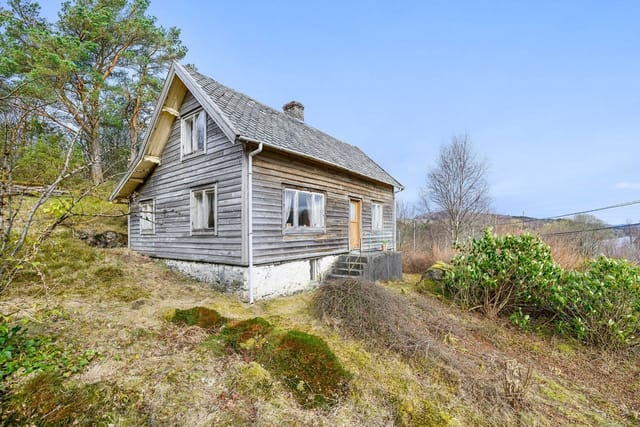
Welcome to Ormsøyveien 7 - the property is located at the end of a cul-de-sac, ensuring little passing traffic and a private setting. Seaside plot just a stone's throw away.

Step outside on a February morning, skis already on your feet, and glide straight into 20 kilometres of groomed cross-country trails from your own front door. The air is sharp and clean—pine and cold stone—and the only sound is the hiss of your skis and a wind moving through the spruce tops. This is what daily life looks like at Vesseseterveien 557. Built in 2022, this two-bedroom chalet sits in the Vessesetra cabin area just outside Kyrksæterøra in Trøndelag, one of Norway's most quietly celebrated recreational regions. It hasn't been lived in. Everything is fresh—the cabinetry, the floors, the bathroom fittings—and it's ready to walk into without a single project on your to-do list. The main floor covers 66 square metres and does the work of a much larger space. Large windows pull the surrounding terrain right into the living room, so the view of the hillside becomes part of the interior. A centrally placed wood-burning stove anchors the room—the kind that earns its keep on October evenings when the temperature drops fast and you've just come off the trails. The layout is open enough that conversation flows easily between the kitchen and the sofa, which matters when you've got friends or family visiting for a long weekend. The kitchen carries Fossline cabinetry, and every integrated appliance comes with the sale. No sourcing, no fitting, no waiting. It's a proper working kitchen, not an afterthought, with enough counter space to actually cook in. The Norwegian tradition of cabin food is its own thing—slow-braised elk stew, freshly baked flatbread, lefse on a Sunday—and a kitchen like this is built for exactly that kind of unhurried cooking. Both bedrooms are on the main floor, well-proportioned and quiet. The bathr ... click here to read more
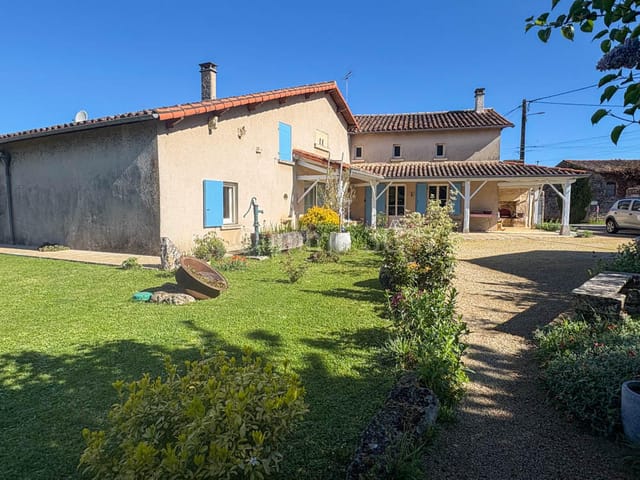
Newly built cabin with a beautiful location in Vessesetra, Kyrksæterøra.