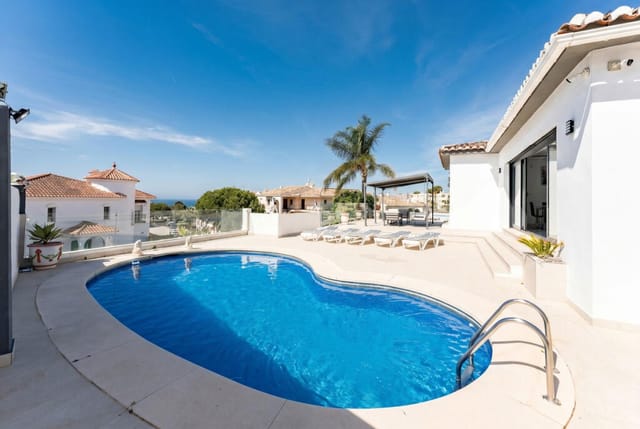
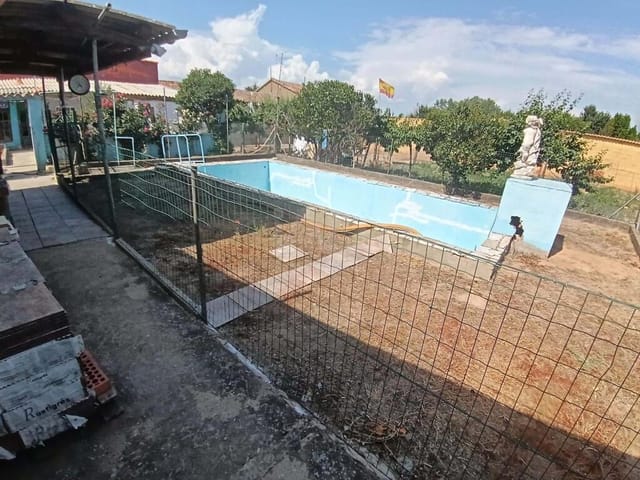
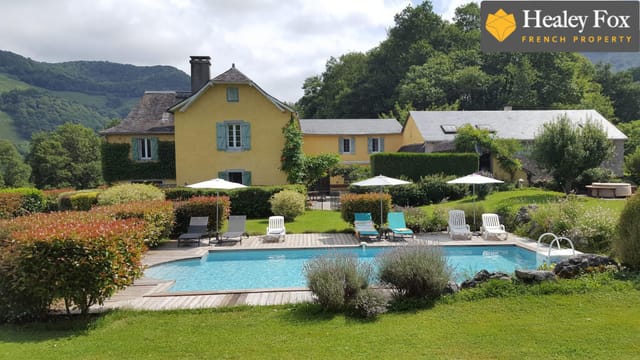
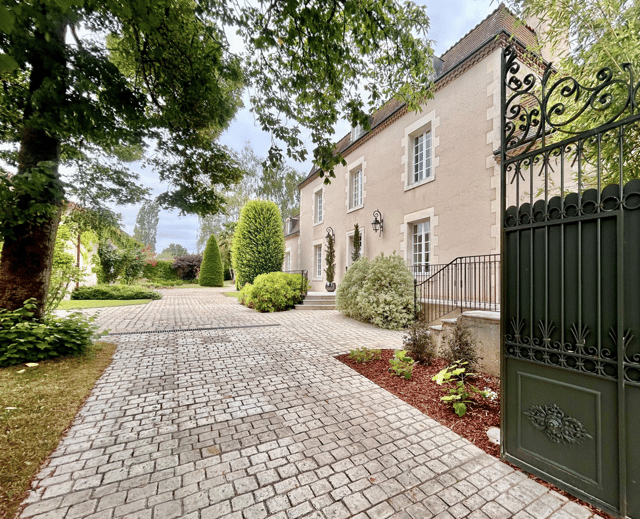
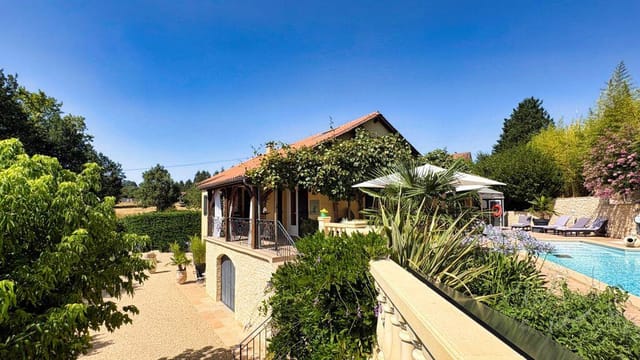
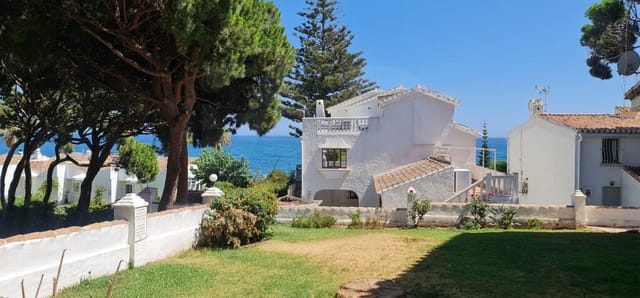
Houses For Sale In Europe With A Swimming Pool (page 5)

Houses for sale in europe - homestra offers the largest amount of european real estate with over 200,000+ properties, find any type of property within your budget from villas to country homes. buy or rent your perfect home in europe. (page 5)

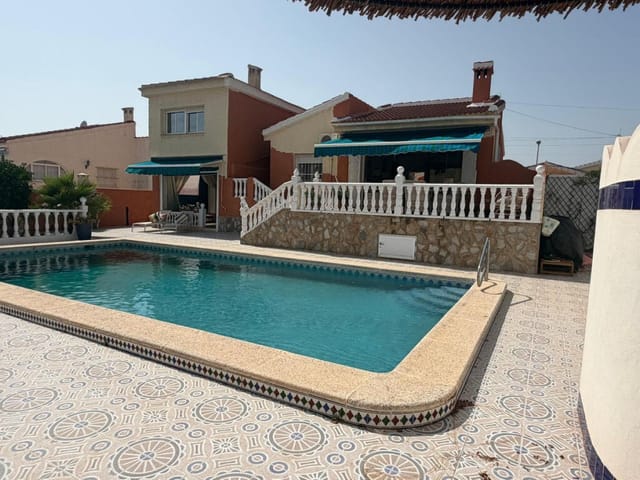
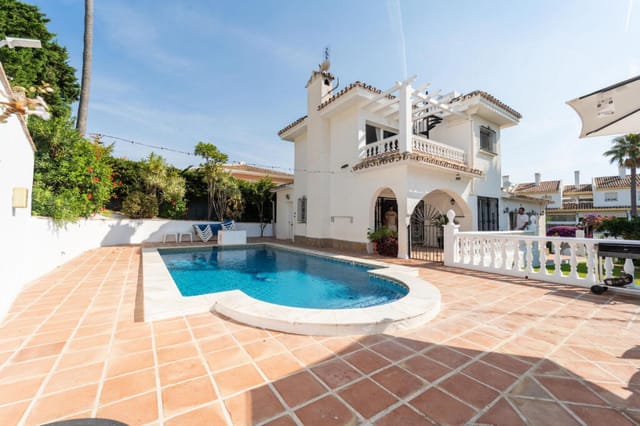
The smell hits you first — jasmine and warm stone, carried on a breeze that drifts in from the Guardamar coast just twelve kilometres away. You push open the terrace doors after breakfast, coffee in hand, and the morning sun is already doing its work on the tiles. This is a Tuesday in October. Somehow it feels like a Saturday in July. That's the thing about Ciudad Quesada that doesn't fully translate until you're standing inside it. This three-bedroom, two-bathroom detached villa in one of southern Costa Blanca's most established residential areas sits on a plot that gives you genuine outdoor living — not a token patch of gravel, but a private garden with room to breathe, a sun terrace built for long afternoons, and a covered area where the BBQ earns its keep all through the cooler months. The pool glitters. The neighbours are friendly but not intrusive. And the whole thing sits quietly away from road noise, the way a home in this part of Alicante should. Inside, the layout is sensible in the best possible way. Three bedrooms with fitted wardrobes, the principal with its own en-suite, and a main bathroom that serves guests without anyone queuing in the corridor. The living and dining area opens directly to the garden through wide glass doors, so the boundary between inside and outside practically dissolves when the weather is good — which, in Rojales, is most of the year. Around 320 days of sunshine annually. This is not marketing copy. It's meteorology. The kitchen is fully fitted and practical: proper workspace, ample storage, nothing that needs replacing before you start using it. Large windows keep natural light moving through the house across the day, and the orientation — south or south-west facing options — mea ... click here to read more

Picture 1

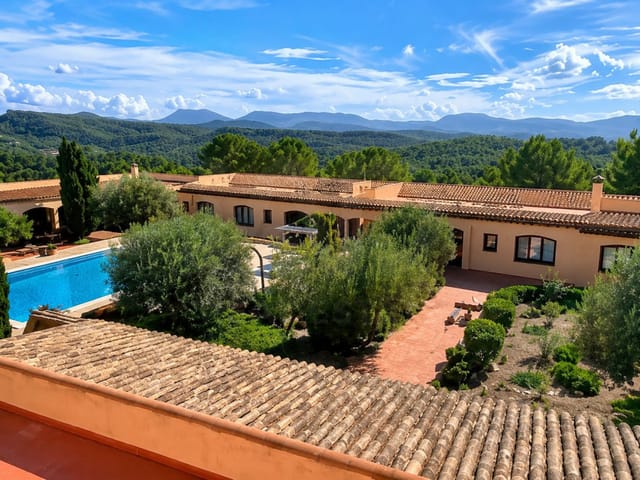
On a still Tuesday morning in late June, you open the kitchen's ancient wooden shutters and the first thing you hear is nothing. Not the compressed silence of earplugs—actual, honest quiet, broken only by a wood pigeon somewhere in the oak trees and the faint clank of a tractor working a field two valleys over. The smell drifting in is warm stone and cut grass. That's it. That's the whole morning's agenda if you want it to be. This four-bedroom, three-bathroom country house in the hamlet just outside Roquecor sits on the kind of land that reminds you why people first started building in southwest France. The Tarn-et-Garonne countryside rolls in every direction—soft green ridges, sunflower fields gone gold by July, the occasional red-roofed farmstead catching the afternoon light. From the sun terrace beside the saltwater pool, you can see for miles. No rooftops crowding the view. No road noise. Just the particular stillness that this corner of Midi-Pyrénées does better than almost anywhere in Europe. Roquecor itself is five minutes by car or a genuinely pleasant forty-minute walk through the fields—the kind of walk that makes you feel you've earned the pastis waiting at the café. The village has a proper restaurant that locals actually eat at (not the tourist-facing kind), a reliable café, and enough daily life happening around the square to feel connected without ever feeling crowded. The Wednesday morning market in Lauzerte, twelve kilometres northeast, is the one to pencil in first. Lauzerte is a bastide village on the Pilgrimage of Saint-Jacques-de-Compostelle route, and the market spills down the medieval lanes with regional producers selling duck confit, aged Caussade walnuts, raw-milk Tomme, and the kind of straw ... click here to read more

Picture 1

Picture a Tuesday morning in late October when the rest of Europe has already packed away its summer. You carry your coffee through the French doors onto the covered terrace, the bougainvillea still blazing pink above your head, and the only sound is a lawnmower two gardens over and the distant hum of the A-7 coastal road. The Costa del Sol does autumn quietly and without apology. That's exactly what draws people back year after year — and why owning a villa on one of Calahonda's most established residential streets is a completely different proposition to renting an apartment for a fortnight. This is a proper house. Five bedrooms across three floors, four bathrooms plus a guest WC, a games room with a built-in bar, a private garage, and 396 square metres of interior space wrapped in mature landscaped gardens with a private pool at the centre of it all. It sits on a quiet, tree-lined street that Calahonda regulars know well — the kind of address where neighbours actually nod to each other and the same families have been spending summers for twenty years. The ground floor is set up for easy living. A fully fitted kitchen connects to a separate utility room, which is the kind of practical detail that gets overlooked in listings but matters enormously when you're hosting eight people for two weeks. The main lounge and dining area opens directly onto the large covered terrace — genuinely large, the sort where you can run a long dinner table down the middle and still have room for sun loungers at the far end. Two double bedrooms and a family bathroom sit on this level too, making the ground floor perfectly self-contained for guests or extended family who prefer not to manage stairs. Upstairs, the master suite earns its nam ... click here to read more

Picture 1

Picture this: Sunday morning, the kitchen window is open, the smell of coffee drifting through the room, and beyond the wooden pergola, the pool catches the early Algarve light. That's not a holiday fantasy — that's just a regular weekend when you own this three-bedroom villa in São Brás de Alportel, one of the most quietly compelling towns in the whole of southern Portugal. São Brás sits inland, away from the coastal circus, tucked at the edge of the Serra do Caldeirão hills. The town is refreshingly flat — genuinely flat, which is rare in the Algarve — which means locals actually walk everywhere. To the padaria for a pastel de nata in the morning, to the Municipal Market on a busy Tuesday, to the esplanada for a late lunch of cataplana or grilled sea bream. Life moves at a pace that feels earned rather than forced. The villa itself sits on a quiet cul-de-sac. When you pull up, you immediately notice how the walled stone grounds create a sense of arrival — this is a private compound, not just a house with a fence. The electric gate opens onto the garage, which doubles as a proper laundry room and storage space for bikes, beach gear, and the general accumulation of an active life in the south. A couple of cars fit easily outside on the cobbled drive, traditional Portuguese cobblestone that wraps all the way around the building. Step inside and the architectural choices become immediately apparent. Solid white wood ceilings — not painted MDF, actual solid wood — run overhead. Terracotta red ceramic floors anchor the rooms in warmth. The walls in several spaces are lined with brick, giving texture and personality that you simply don't find in modern builds. Stone bathrooms complete the picture. This is a house built wit ... click here to read more

Picture 1

Sunday morning in Beauville starts with the smell of bread. The boulangerie on the main square fires up early, and if your bedroom window is open—which it will be, because the air here in July is warm but never stifling—the scent reaches you before your alarm does. That's not a selling point you'll find in any brochure. It's just what life is like in this particular corner of Lot-et-Garonne, and it's the kind of thing that turns a holiday home purchase into one of the best decisions you ever made. This four-bedroom village house sits right in the heart of Beauville, one of the most intact bastide villages in Aquitaine. Built to a medieval grid plan in the 13th century, Beauville has the kind of architectural coherence that planners in other towns spend millions trying to recreate. The covered arcades around the central square, the honey-coloured stone, the church tower that chimes the quarter-hours—it's all still here, and this house is part of it. From the front door, the market square is a two-minute walk. From the top-floor living space, you can watch the whole village go about its business. The house covers around 190 square metres across three floors, and what strikes you first is how much space there actually is. Village properties in the Lot-et-Garonne often look compact from the street and reveal themselves slowly. This one does exactly that. The ground floor has a bedroom that works perfectly for guests who don't want stairs, or for owners who eventually want single-level living as a practical option. The first floor holds three more well-proportioned bedrooms and two bathrooms. And then there's the top floor—converted, bright, sitting under the original roof timbers—currently used as a family room and home of ... click here to read more

Picture 1

Step out onto the terrace at eight in the morning and you'll hear it before you see it — the low hum of the Mediterranean, half a kilometre through the pines, carried on a breeze that smells of resin and salt. The sea glitters in the gap between tree tops. A coffee in hand, the only decision pressing enough to make is whether today is a beach day or a pool day. This is the rhythm of daily life at this four-bedroom villa on the edge of Marbella, and once you've felt it, going back to anything else is genuinely difficult. The villa sits on a generous private plot surrounded by mature Aleppo pines — the kind of trees that take decades to grow tall enough to actually give you shade — and the effect is something you can't manufacture with landscaping. It's cool here in July when the rest of the Costa del Sol is baking. The garden feels like a room of its own, one with a ceiling open to the sky and floor tiles of terracotta that warm slowly through the afternoon hours. Inside, a recent renovation has been handled with real care. Four bedrooms, three bathrooms, 295 square metres of living space, all brought up to a high contemporary standard without scrubbing out the warmth that a villa like this should have. The living area anchors the ground floor — a fireplace at one end, wide glass doors at the other, and the pine forest framed like a painting beyond the terrace. In January, when Marbella gets a rare cold evening and the Costa del Sol quiets down to its local self, that fireplace earns its keep. This isn't just a summer house; it works across all twelve months. The kitchen is practical and well-finished, the kind of space where you can actually cook a proper meal rather than just reheat things. Which matters, because the ... click here to read more

Picture 1

On a quiet morning in Villares de Órbigo, you crack open the upstairs window and the air that comes in is clean in a way that city air never is — faintly earthy, threaded with cut grass and something blooming in the field across the road. Down below, pilgrims are already moving along the French Way of Santiago, their boots crunching the gravel path that has carried travelers through this corner of Castile-León for over a thousand years. You watch them from the first-floor terrace with a coffee, unhurried. That's the pace here. This two-bedroom country home sits on a combined plot of 2,380 square metres in one of the most quietly compelling stretches of northern Spain. Built in 2010 and maintained in good condition, the property breaks into two distinct levels — and it's this split personality that makes it genuinely unusual. The ground floor is a full 219-square-metre open-plan industrial building: solid, high-ceilinged, and immediately useful. Whether you come with a vintage car collection, a wood workshop, a small business, or simply a need to store a tractor and three generations of tools, this space absorbs it all without complaint. There's also a ground-floor WC and a separate lounge area with an integrated kitchen — so whoever's working down here doesn't need to climb the stairs every time they want lunch. Upstairs, the 100-square-metre residence proper is laid out across a living room, a kitchen, two bedrooms, and a full bathroom. An oil boiler keeps the whole floor genuinely warm through the Castilian winters, which can be cold and still in January, the kind of cold that makes you appreciate thick walls and a real heating system. The summer, by contrast, runs warm and dry — León province sits on a high meseta p ... click here to read more

Picture 1

Step out onto the mezzanine terrace at dusk and watch the light go amber over the protected scrubland of Costa Vicentina Natural Park — no rooftops, no roads, just the low hum of cicadas and the faint salt edge carried up from the Atlantic. That's the daily reality of this four-bedroom, three-bathroom villa inside AlmaVerde, one of the Algarve's most thoughtfully designed eco-resorts, sitting on a 1,300m2 landscaped plot in the far southwestern reaches of Portugal. AlmaVerde isn't a typical resort. Spread across 58 hectares on the edge of the Natural Park just outside Vila do Bispo, it was built with ecological restraint as a guiding principle, not a marketing afterthought. The architecture here doesn't shout — it breathes. This particular villa sits in a front-line position within the resort, meaning the views from the terraces spill directly over protected land that, by law, will never be developed. What you see now is what you'll always see. Walk in through the entrance and the first thing that strikes you is the central courtyard — a private, open-air atrium at the heart of the floorplan that pulls daylight deep into the house. On a January morning when the rest of northern Europe is grey and locked-in, that courtyard is already catching sun by nine. The kitchen sits right beside it, fully fitted, with a breakfast bar and French doors that fold back so the interior and the patio become one continuous space. It's the kind of layout that makes weekend breakfast feel like a small occasion. The living and dining area flows from the kitchen naturally, and then opens again through to a generous terrace, where a 10x5 metre heated pool reflects the sky and an electric awning gives you shade control without sacrificing the ... click here to read more

Picture 1

Picture this: it's a Tuesday morning in October. You open the heavy wooden shutters of your bedroom, and the smell that comes in isn't sea salt or pine — it's something warmer, drier, more ancient. Fig trees. Sun-baked limestone. A faint thread of woodsmoke from a neighbour's chimney somewhere beyond the fenced boundary of your five-thousand-square-metre plot. That's the Eastern Algarve countryside, and once it gets under your skin, nowhere else quite measures up. This three-bedroom quinta sits in the soft hills between Moncarapacho and Santa Catarina da Fonte do Bispo, in a part of Portugal that moves at its own pace. Not the frantic beach-town rhythm of Albufeira or Vilamoura — something calmer, more grounded. The Barrocal landscape rolls out around you: almond trees in February bloom, pomegranate trees turning scarlet in autumn, and fig trees that drop their fruit by the kilo in August. You'll have more than you could ever eat. Your neighbours will take the rest. The house itself was completely overhauled in 2023, and whoever did the renovation had the good sense not to strip it of its character. The original exposed beam ceilings survived — thick, darkened timber that gives every room a weight and honesty that no interior designer could manufacture. Paired with modern bathrooms, underfloor heating powered by a heat pump, and split-system air conditioning throughout, it hits that rare balance of genuinely comfortable without feeling like a hotel. Solar panels cover hot water. A pellet burner takes the edge off the cooler months — and yes, Eastern Algarve winters do have edge, which is precisely what makes the place feel like somewhere real rather than a seasonal backdrop. The layout is one of the cleverest features ... click here to read more

Picture 1

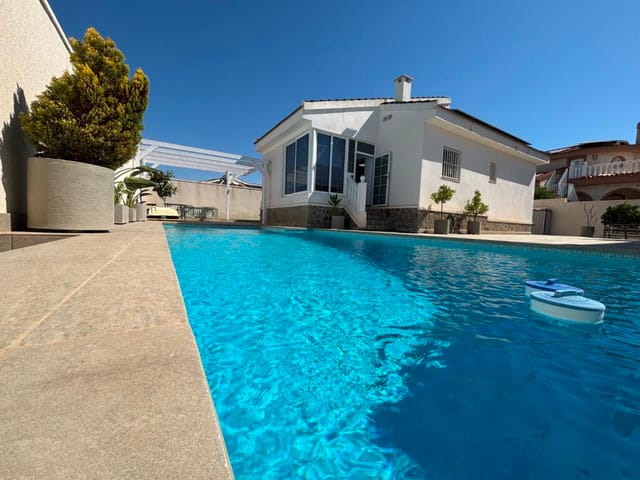
Step outside on a Tuesday morning and the only decision you face is whether to walk down to the Calle Mayor for a café con leche and tostada con tomate, or take a slow lap around the pool before the sun climbs high enough to make you think twice. That is the rhythm of life in Ciudad Quesada — unhurried, sociable, and soaked in about 320 days of sunshine a year. This three-bedroom single-storey villa, priced at €476,000, drops you right into the middle of that rhythm without any of the renovation headaches that older Costa Blanca properties so often bring. Ciudad Quesada sits in the Vega Baja region of Alicante province, draped across a gentle hillside above the Segura river plain. It is not a purpose-built ghost town that empties in October. Far from it. The community here — heavily international, with a strong British, Dutch, and Belgian presence alongside Spanish families — keeps local bars, restaurants, and shops trading all year. The Friday street market on the edge of town draws people from Torrevieja to Bigastro. The La Marquesa Golf Course, one of the most played on the southern Costa Blanca, sits about five minutes away by car and hosts competitions every weekend from September through to May when the fairways are at their greenest. The Guardamar del Segura beaches are less than ten kilometres south, a straight run down the CV-905. Guardamar is not the brash, high-rise coast that parts of this region became in the seventies. The town is backed by a protected pine forest — the Dunas de Guardamar natural park — and the beach itself stretches for kilometres with fine golden sand and a promenade lined with chiringuitos serving cold Estrella Damm and fried red mullet straight from the Segura estuary. In summer the w ... click here to read more

Picture 1

By nine in the morning, the Andalusian sun has already warmed the terracotta tiles around the pool. You're on the terrace with a coffee, the Riviera hills rolling behind you, the faint shimmer of the Mediterranean visible through the pines just a few kilometers south. The only sound is birdsong and, occasionally, the distant church bells drifting from the white hilltop village of Mijas Pueblo. This is not a resort. This is your home. This four-bedroom, four-bathroom villa sits in the Riviera district of Mijas-Costa, one of the most sought-after addresses on the Costa del Sol — and for good reason. At 249 square meters, the property was fully renovated in 2024 and the quality shows in every detail: the clean lines of the interior joinery, the seamless flow between indoor and outdoor living spaces, and the private swimming pool that anchors the garden like it was always meant to be there. It's ready to move into, or rent out, the moment you sign. Step inside and the light hits you first. Southwest-facing, the villa catches the afternoon sun in a way that fills the main living room with the kind of warm, honeyed glow you only really get this far south. The layout is genuinely sociable — a main lounge, a fully equipped separate kitchen, and a secondary living-dining area that naturally becomes the hub of family evenings or long lunches with friends who've traveled down from Seville or Málaga for the weekend. Built-in wardrobes throughout mean storage is never an afterthought, and the hot-cold air conditioning system keeps things comfortable whether you're there in August heat or a cool February weekend. The master suite has its own en-suite bathroom with a walk-in shower — a proper one, not a converted alcove. The three a ... click here to read more

Picture 1

Stand on this 850-square-metre plot on a quiet morning in La Antigua and you'll hear almost nothing. Maybe a tractor somewhere in the distance. Maybe wind moving through the fields. That silence — real, deep, uninterrupted — is increasingly hard to find in Europe, and this particular piece of Castile-León sits right in the middle of it, waiting for someone to build something that lasts. La Antigua is a village of about 300 people in the province of León, tucked into the flat agricultural heartland of northwest Spain where the sky is enormous and the pace of life hasn't been engineered for anyone's Instagram feed. It's the kind of place where the bar opens early, the coffee is strong, and the neighbors actually know each other's names. For buyers who are tired of overpriced coastal plots and the noise that comes with them, this is a genuinely different proposition. The plot itself sits with an east-west orientation — which matters more than people realize. Morning light pours in from the east as you'd be having breakfast; by late afternoon, the western sun catches the garden. If you're designing a home with large windows, a terrace, or a pool (and the 850m² gives you more than enough room for all three), that orientation shapes every hour of the day in the best possible way. The land comes connected to the full municipal network: electricity, potable water, sewage, and stormwater drainage are all in place. There's also a private well on the property, which gives you a secondary water source — valuable in this part of Spain where summers run dry and hot. Building on serviced land in rural Castile-León is considerably more straightforward than it sounds. The region has clear planning frameworks for single-family resident ... click here to read more

Picture 1

Step outside on a Saturday morning in October and the air already carries that particular Pyrenean sharpness—wood smoke from somewhere down the lane, dew still on the stone courtyard, the peaks catching the first light above the Vallée de Barétous. This is Issor. And this 1801 farmhouse complex is the kind of property that doesn't come up twice in a lifetime. At 437 square metres spread across a beautifully restored Béarnaise farmhouse, a guest house converted from a former sheepfold, and a massive traditional stone-and-pebble barn, the estate sits on roughly 1.8 hectares—gardens, mature plantings, a swimming pool, a jacuzzi, and over a hectare of adjoining pasture that rolls toward the foothills. The whole thing is arranged around a central courtyard, exactly as Béarnaise farmsteads have been built for centuries. That courtyard changes everything about how you inhabit the place. Morning coffee out there, in the shadow of stone walls that have stood since Napoleon was still a general. It's grounding in a way that no new-build terrace ever quite manages. The main house runs to 237 square metres across two floors. Downstairs, the living room opens onto views that stretch uninterrupted across the garden and out to the Pyrenean ridgeline—no road, no pylons, just countryside. The kitchen is the heart of things, anchored by an original fireplace fitted with a wood-burning stove and large enough to actually cook in rather than perform in. A separate sitting room pushes directly onto the terrace, which is where you'll find yourself most evenings from May through September. On cold December nights, that wood-burner in the living room earns its keep fast. Upstairs, four bedrooms all face the mountains, one with its own en-suite ... click here to read more

Picture 1

On a Sunday morning in Adriers, the bells of the Church of Saint-Hilaire carry across the courtyard before you've even had your first coffee. That church has been standing since the 11th century. This former presbytery, built in 1832, has been watching it the whole time. You step out through the kitchen onto the garden, the grass still damp, and it hits you — this is not a house that tries to impress you. It simply does. At 524 square metres spread across a meticulously restored ensemble of buildings, this chateau-scale residence in the Vienne department of Poitou-Charentes is one of those properties you genuinely don't forget. The main house alone runs to nearly 340 square metres of living space, and the first thing that stops you in the entrance hall is the Moorish-style vaulted staircase — a sweeping architectural statement that belongs in a different century entirely, yet feels completely at home here. Whoever commissioned that staircase had opinions, and you're glad they did. The reception rooms are lit the way old stone rooms always are in the Charente summer: long and golden in the afternoon, cool in the morning, with proportions that make modern houses feel like shoe boxes. The kitchen pulls everything together the way a good kitchen should — it's generous, sociable, and opens directly onto the garden so that the line between inside and out more or less disappears when you want it to. Overhead, a glass-roofed office surveys the grounds in quiet authority, a space where the 19th century and a very considered 21st-century architectural intervention coexist without a hint of friction. Upstairs, the principal suite runs to approximately 50 square metres on its own — a full bedroom world with room to breathe. Three ... click here to read more

Picture 1

The first thing you notice, stepping onto the terrace at dusk, is how the Mediterranean catches the last hour of sun. The water turns copper, then deep orange, and the mountains behind Marbella go dark blue at their edges. You're standing at one of only seven villas in this private enclave in Elviria, and the silence is the kind you don't find easily anymore — no through traffic, no neighbors pressed against your fence, just the rustle of mature pines and the occasional call of a hoopoe somewhere in the garden. This is Elviria, one of Marbella East's most quietly sought-after residential pockets, and it doesn't announce itself the way the Golden Mile does. No billboards, no celebrity hotels. Just wide residential lanes, cork oak trees older than the properties themselves, and a community that comes back year after year because they figured out something the flashier parts of the coast haven't quite managed: space, privacy, and a genuinely unhurried pace of life. The villa itself sits on a generous plot with a south-west orientation — a detail that matters more than most buyers initially realize. South-west means you're catching afternoon and evening sun on the terraces rather than baking at noon with nowhere to escape. It means the covered terrace where you'll eat most of your meals from May through October is warm without being punishing. The private swimming pool, surrounded by landscaped gardens that someone clearly cared about over the years, holds heat into early evening. Dinner outside at 9pm in September? Absolutely routine here. Across 298 square metres of interior space arranged over three levels, the layout is more intelligently thought out than most villas in this price range. The ground floor centres on a ... click here to read more

Picture 1

Step out of the garage in the early morning and the first thing you notice is the silence — not the hollow kind, but the full, layered quiet of deep rural France, where the only sounds are wood pigeons in the oaks and the faint trickle of water from the pool filter kicking on. This is Troche, a hamlet in the folds of Corrèze, and life here runs at a pace most people only experience on holiday. Which is exactly the point. Built in 2022 and sitting on nearly 3,000 square metres of open countryside, this three-bedroom house punches well above its modest footprint. At 94 square metres, every centimetre has been thought through. The living room opens directly into a fitted kitchen — no awkward corridor, no closed-off cooking — so whoever's at the stove is still part of the conversation. French doors from this space lead straight to the heated swimming pool. That detail matters more than it sounds. On a July afternoon in the Limousin, when temperatures climb into the low thirties and the air smells faintly of warm cut grass, being three steps from the water is everything. The three bedrooms are calm, well-proportioned spaces. Two come with built-in wardrobes, practical for families who actually want to live here rather than just visit twice a year. The bathroom has both a bathtub and a walk-in shower — again, small choices that reflect considered design. There's also a dedicated storeroom, which international buyers often overlook until they're trying to figure out where to keep pool equipment, bikes, and the extra firewood they didn't expect to use. Then there's the technical spec, and this is where the property genuinely stands out in its price bracket. An air-to-water heat pump handles heating and cooling. A thermodynami ... click here to read more

Picture 1

Stand on the south-facing terrace at nine in the morning and the Mediterranean lays itself out in front of you like something you'd normally only see on a postcard. From here, the coastline rolls all the way from Moraira's sandy coves to the great limestone spike of the Peñón de Ifach rising from the sea at Calpe — and there's nothing in between but open sky and salt air. That view doesn't get old. It changes every hour: the early haze burning off, the afternoon glitter, the copper wash at sunset. This is the house where that view belongs to you. Built in 2007 and sitting on a 968-square-metre plot in one of Moraira's most quietly coveted residential hillsides, this four-bedroom, four-bathroom villa spans 265 square metres of well-considered living space. It's in good condition throughout — not a renovation project, not a compromise. Move in and start living. The previous owners clearly used it and cared for it, which shows in the details: 16 solar panels with an inverter on the roof, a private well feeding the garden's automated irrigation system, and a heated pool you can actually use in March without grimacing. The main floor works the way a Mediterranean home should. The living and dining room opens fully onto the terrace, the pool, and that panoramic sea view through wide glass panels. On a weekday morning in October, you'll have your coffee out there in a t-shirt while the rest of northern Europe is digging out their coats. The kitchen is equipped and functional — not a showpiece, a working kitchen. The master suite on this floor has direct pool access, its own bathroom, built-in wardrobes, and a window framing the sea. A second bedroom and bathroom round out the ground level, along with an entrance hall and dire ... click here to read more

Picture 1

Step out onto the terrace at eight in the morning and you're looking at three countries at once. Istán Lake catches the light below, the Mediterranean stretches flat and silver to the horizon, and on a clear day — which, on the Costa del Sol, is most days — you can make out the outline of Morocco across the Strait of Gibraltar. This is the view you wake up to in this four-bedroom villa inside Sierra Blanca Country Club, a gated enclave above Marbella that most visitors to the coast don't even know exists. Sierra Blanca Country Club sits in the foothills above Istán, tucked into a stretch of the Sierra de las Nieves that feels a world away from the Golden Mile promenade below, yet Puerto Banús is barely fifteen minutes down the AP-7. That contrast — total quiet up here, total access to everything down there — is exactly what makes this kind of address so rare on the Costa del Sol. The community runs 24-hour manned security and maintains its roads and communal gardens fastidiously, so the grounds always look like someone cares deeply about them. Which they do. The villa itself covers 240 square metres across two levels, and the layout is genuinely intelligent rather than just generously proportioned. On the main floor, the entrance hall opens into a living room with windows sized to work as picture frames for those panoramic views. The terrace comes off this room directly, so when you have people over for dinner you're not shuttling back and forth between inside and out — the two spaces flow into each other in the way that only works when a house has been thought through from the beginning. The master suite sits on this level too, with its own en-suite, which keeps it properly separate from the activity happening elsewhe ... click here to read more

Picture 1

Picture this: it's nine in the morning, the air already warm but not yet fierce, and you're having coffee on the terrace with a view across the shimmering lake and the low hills beyond Rojales. No traffic noise. Just birdsong, the faint splash from your own pool, and the knowledge that the beach at Guardamar del Segura is twenty minutes down the road. That's not a fantasy — that's an ordinary Tuesday when you own this four-bedroom, four-bathroom villa in Ciudad Quesada. The location matters more than people realise when they first start looking on the Costa Blanca. Quesada sits on a ridge above the Vega Baja plain, catching the breeze even in July when the coast can feel airless. The urbanisation itself is genuinely liveable — proper pavements, a golf course (the La Marquesa course is less than ten minutes on foot), supermarkets, pharmacies, good tapas bars on Avenida de las Naciones. You won't feel marooned here between visits the way you sometimes do in more remote developments. And because it draws a mix of Spanish and northern European residents, there's real year-round life, not the shuttered-up ghost-town feel of some purely seasonal spots. This villa sits at the end of a quiet cul-de-sac — one of those small details that only becomes obvious once you're here, when you notice there's zero through traffic and the kids can actually kick a ball in the street. The plot is generous for the area, with a properly maintained garden that wraps around the pool and gives you multiple spots depending on where the sun is and how sociable you're feeling. The barbecue terrace at the back catches the afternoon shade; the front terrace gets the morning light and the lake views. Inside, the 160 square metres of living space is ha ... click here to read more

Picture 1

Stand on the upper terrace just after sunrise and you'll understand immediately why this land has been farmed, loved, and handed down for five centuries. The air carries something between rosemary and dry earth, and in the distance the ridgeline of the Sierra de la Cabrera turns gold before the rest of the valley even wakes up. This is El Molar — 40 kilometres north of Madrid's city centre, close enough to the capital to matter, far enough away that silence is still the default setting. This is not a weekend bolt-hole. It's a working estate with 3,600 square metres of built space across 84 hectares of land, and it carries the kind of bones that architects spend entire careers hoping to touch. The main structure dates to the 16th century, later expanded with an 18th-century bodega that still stands in full operation today. Stone walls nearly a metre thick. Barrel-vaulted ceilings. Floors that have absorbed generations of footsteps. The integrity of the original construction is evident in every room — not dressed up for show, but genuinely preserved. Twelve bedrooms, ten bathrooms. Four independent apartments give the estate serious flexibility for extended family use, staff accommodation, or a boutique hospitality operation. The ten en-suite guest rooms are configured for high-occupancy events — wine tourism retreats, private dinners, corporate offsites — without the property ever feeling like it's been stripped of its domestic character. It hasn't. There's still a fireplace in the main salon. Still a kitchen designed for actual cooking, not catering logistics. Outside, the 120-metre swimming pool is frankly one of the most impressive private installations in the Madrid province. Panoramic terraces cascade toward the o ... click here to read more

Picture 1

Some mornings you wake up in Lo Pepín and the first thing you hear is nothing. Not silence exactly—more like the kind of deep quiet that only exists when a place has been built for living rather than passing through. The pool catches the early light at an angle that turns the water a pale copper. By eight o'clock you've made coffee on the glazed terrace, and you're already wondering why you don't live here full time. This is a 4-bedroom detached villa in Ciudad Quesada's Lo Pepín residential area, set on a 500 m² plot with a fully independent guest house, a 10 x 5 metre private swimming pool, and views that stretch across the famous Torrevieja salt lakes toward the Mediterranean. At €470,000, fully furnished and move-in ready, it's the kind of property that doesn't stay on the market long—and for good reason. Let's talk about the layout, because the way this estate is arranged changes everything. The main villa holds two generous bedrooms and two bathrooms, with an open-plan living area that flows naturally into a contemporary kitchen. The glazed terrace off the main living space is the real daily anchor—it's where breakfast happens, where cards get played after dinner, where you sit with a glass of local Vinalopó wine and watch the sky go from orange to ink. That terrace essentially adds a full season of usable living space to the home. Spanish winters in this part of the Costa Blanca are mild enough that you're outside in a light jacket come January—average winter temperatures in Rojales hover around 17°C during the day, and the region logs over 300 days of sunshine per year. The guest house is where this property separates itself from the standard villa. Completely self-contained with two bedrooms, a private bathro ... click here to read more

Picture 1

You wake up before anyone else, slide open the balcony door, and the air hits you — salt, pine resin, and something faintly herbal from the garrigue scrubland that edges the Empordà plain. Fonollera Beach is a two-minute walk. You can already hear it: nothing. Just a low hum of surf. That's the morning rhythm here at Calle Pinsa, a corner house in Mas Pinell that puts you close enough to the Costa Brava shoreline to feel the season change in your bones, yet far enough from the tourist machinery that you actually get to enjoy it. Torroella de Montgrí doesn't advertise itself loudly. That's precisely the point. Tucked between the wetlands of the Parc Natural del Montgrí, les Illes Medes i el Baix Ter and the fishing hamlets of the lower Ter river, this medieval market town operates on its own terms. The Tuesday market on Plaça de la Vila, where farmers from the Empordà hinterland sell white beans, cured sausage, and oil-cured anchovies, has been running for centuries. The castle — the massive, unfinished 13th-century fortress that hunches above the town — throws long shadows over the old stone streets in the late afternoon. There's a castle concert series every summer, the Festival Internacional de Música de l'Empordà, drawing classical musicians to a venue that no purpose-built auditorium could replicate. These aren't things you read about in glossy travel brochures. They're the texture of life here. The house itself sits on a corner plot of 671 square metres — an almost absurd amount of outdoor space for a property this close to the Mediterranean coast, where private land near the waterfront is the scarcest commodity there is. Corner positioning means two things in practical terms: more natural light flooding through w ... click here to read more

Picture 1

The alarm doesn't wake you here. What does is the sound of your own horses moving in the paddock just beyond the bedroom window, the low morning light cutting gold lines across five hectares of Portuguese countryside, and the faint smell of eucalyptus drifting through the shutters. By 9am you could be at Quinta do Lago's North Course teeing off in 22-degree sunshine. By noon you're on the sand at Praia do Garrão. That's not fantasy — that's a Tuesday in Almancil. This five-bedroom, five-bathroom villa estate in the Algarve's Golden Triangle sits on a rare plot of land that simply doesn't come to market anymore. Five hectares in this pocket of southern Portugal — bordered by Quinta do Lago to the east, Vale do Lobo to the south, and Faro International Airport just 18 kilometres away — is the kind of holding that families keep for generations. At 320 square metres of main living space, and with two fully independent guest residences on the grounds, this is a property built around the idea that your life here will include people you love coming to stay for long stretches, not long weekends. The main residence is unashamedly Portuguese in its bones. Thick rendered walls keep rooms naturally cool well into July, when the rest of Europe is wilting. Terracotta floors move you from room to room with the easy warmth underfoot that no engineered material has ever quite replicated. The living areas open to broad terraces through wide glass panels, and because the grounds extend so far in every direction, what you see from those terraces is your own land — olive trees, open sky, paddock — not a neighbour's roofline. A heated pool and jacuzzi sit within the garden's landscaped core, and a dedicated wellness space means that a prope ... click here to read more

Picture 1

Step out of the veranda on a June morning and all you can hear is the low hum of bees working through the meadow grass. The Corrèze countryside rolls away in every direction — soft hills, oak stands, not a rooftop in sight. This is what 2.82 hectares of your own land feels like. The house itself is a proper Limousin stone farmhouse, the kind built to last centuries and the kind that actually has. Slate roof, thick walls that keep the interior cool through August without any air conditioning running. It was renovated in 2003, which means the bones were kept honest while the living spaces were updated enough to move straight into without a renovation project hanging over you. At 131 square metres across two floors, it's genuinely liveable for a family — not so sprawling it becomes a burden to maintain, not so compact you're bumping into each other. The ground floor has a flow that makes sense. You come in through an entrance hall, move into a fitted kitchen that opens directly to the dining and living room — a fireplace at one end, a wood-burning stove doing the heavy lifting in the winter months when the Corrèze hills get properly cold and the idea of curling up with a book and a local Brive-la-Gaillarde walnut cake sounds genuinely appealing. A bedroom and shower room sit on this level too, which means the whole house can function single-storey if needed. But the real surprise is the veranda — large, full of afternoon light, opening straight onto the grounds and the swimming pool. That pool was built in 2025, a traditional 7m x 3.5m format, so it's fresh, clean, and ready for the first summer. Upstairs, three more bedrooms with sloped ceilings give the house that classic French farmhouse character, accompanied by a sho ... click here to read more

Picture 1

Step outside on a July morning and the first thing you notice is the silence. Not the absence of sound exactly, but a particular quality of it — birdsong carrying across open fields, the faint rustle of vines along the terrace, the distant church bell from the village of Le Temple-sur-Lot marking eight o'clock. You're standing in front of a centuries-old Lebanese cedar so vast its canopy throws shade across half the garden. This is the kind of moment that makes people stop wondering whether they made the right decision. They already know. This 410-square-metre country estate in the Lot-et-Garonne sits on its own private grounds with open views sweeping in every direction — and no neighbors close enough to matter. It comprises three distinct stone buildings: a 19th-century farmhouse, a superbly converted six-bedroom guest barn, and a self-contained one-bedroom cottage called Le Grenier. Ten bedrooms, seven bathrooms. Currently operating as a profitable guesthouse, it works equally well as a multi-generational family retreat, a boutique hotel project, a yoga or wellness retreat, or simply a very generous private home for people who want room to breathe in rural southwest France. The original farmhouse is where the estate's soul lives. Stone walls that have absorbed two centuries of Gascon summers keep the interior cool without a fuss. A large, light-filled living room centers on a wood-burning stove — irreplaceable on those mid-December evenings when the Lot-et-Garonne fog sits low over the valley and you've just come back from the Villeneuve-sur-Lot market with a wheel of Ossau-Iraty and a bottle from a Duras cooperative. The kitchen runs on gas, which serious cooks will appreciate, and a long hallway connects the back ... click here to read more

Picture 1

You wake up to no particular sound except a wood pigeon in the pear tree and the faint clang of a bell from the village down the lane. The kitchen smells of last night's fig jam still cooling on the counter. Through the window, the farmland rolls out golden in every direction, and by the time your coffee's done, you've already decided you're not going anywhere today. That is exactly the pace of life this three-bedroom stone house in Dolmayrac delivers — and once you've had a taste of it, ordinary weekends will never quite measure up again. Dolmayrac sits in the Lot-et-Garonne département, one of those quietly extraordinary corners of southwest France that doesn't appear on postcards but absolutely should. The Lot Valley cuts through the landscape a short drive away, and the market town of Villeneuve-sur-Lot — with its Saturday farmers' market spilling across Place Lafayette — is close enough to be genuinely useful without intruding on the rural quiet. This is Aquitaine without the tourist crowds, without the inflated prices of the Dordogne, and without any sense that you're following a well-worn expat trail. It feels discovered rather than packaged. The house itself is built in the stone that defines this region — thick walls that keep the interior cool through July and August without air conditioning, and which hold the warmth of a log fire well into November. Inside, exposed beams run the length of the generous living and dining room, where two wood-burning stoves sit at either end like old friends. The stonework throughout is honest and unhurried, the kind you simply couldn't replicate today without serious money and serious patience. Three bedrooms and two bathrooms across the main house give you room to host prope ... click here to read more

Picture 1

Sunday morning in Calahonda moves at its own pace. The smell of churros from the café on Avenida del Sol drifts up through an open terrace door, the Mediterranean glints silver below, and the only sound in the garden is the soft hum of the pool filter. That's what ownership here actually feels like—not a holiday, but a life you've deliberately chosen. This three-bedroom villa sits in one of the most consistently sought-after pockets of Mijas Costa, and if you've spent any time on the Costa del Sol, you'll understand why Calahonda keeps pulling people back. It's not the flashiest stretch of coastline. It's better than that. It's walkable, lived-in, and genuinely convenient without sacrificing the quiet that makes southern Spain so restorative. The property itself is in good condition and move-in ready, covering 155 square metres across two floors plus a rooftop solarium. The layout makes immediate sense for how people actually use a Spanish holiday home. Downstairs, an open-plan living and dining room opens directly onto the terrace and pool area through wide glass doors—so the line between inside and outside more or less disappears from April through October. The kitchen is fully equipped, the terrace gets sun for most of the afternoon, and the private pool is the right size: big enough to actually swim in, manageable enough to maintain without drama. Two bedrooms and a family bathroom sit on this floor alongside a separate laundry room, which sounds like a minor detail until you're a month into a holiday rental season and you're grateful for the practicality. Upstairs, the master suite takes up the entire floor. Fitted wardrobes, an en-suite bathroom, a private terrace where you can drink your morning coffee watching ... click here to read more

Picture 1

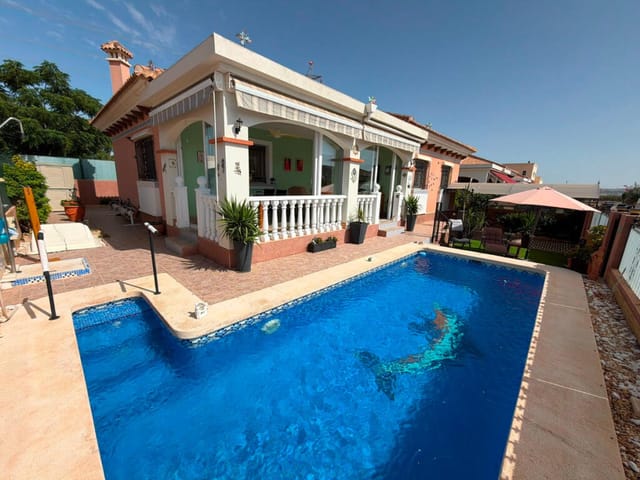
By eight in the morning, the sun is already cutting across the rooftop solarium, the air smells of warm stone and something blooming in the garden below, and the only sound is the low hum of the pool filter doing its quiet work. That's what a Tuesday looks like here. Imagine what a Saturday feels like. This three-bedroom detached villa in Ciudad Quesada — part of the Rojales municipality on the southern Costa Blanca — sits on a private 324m² plot and delivers exactly the kind of unhurried, sun-drenched life that people spend years planning for. At 110m² of interior living space, it's the right size: generous enough for a family or a group of friends, tight enough that it never feels like a hotel corridor. The east-facing orientation means the mornings inside are lit up naturally, which matters more than you'd think. Sunlight through the living room windows at breakfast changes the entire feel of the day. That living room is the heart of the house — wide enough to breathe in, with a real fireplace tucked into one corner for the short but genuinely cool winters that roll in off the Vega Baja plain in January and February. Costa Blanca winters are mild by northern European standards, but they're real. The fireplace earns its place. The kitchen has been fully reformed and sits independently from the main living space, which makes a practical difference when you're cooking for guests. There's room to actually be in there without choreographing around each other. Kitchen appliances are included, so the house works from day one. Three bedrooms, two renovated bathrooms — both modernised, both functional. The bathrooms don't make you wince, which is more than can be said for a lot of resale properties at this price point in t ... click here to read more

Picture 1

On a clear morning, you walk out onto the terrace with a coffee and the Mediterranean is just sitting there — flat, blue, and enormous — stretching all the way to the horizon. No buildings in the way. No noise except birdsong and the faint hiss of the C-32 three kilometers off. This is the kind of view people drive two hours to look at from a clifftop restaurant. Here, it's just Tuesday. Sant Vicenç de Montalt sits at the quieter, more residential northern end of the Maresme coast, tucked between the hills of the Serra de Marina and the sea. It's not flashy like Sitges. It doesn't try to be. The town has a genuinely unhurried rhythm — morning walks along the Rambla, Saturday markets where locals buy tomàquets de penjar and artisan cheese, long lunches on terraces that don't wrap up before four. Spend a week here and you start to understand why so many Barcelona families have been coming back every summer for generations. This five-bedroom house sits in one of the town's most sought-after residential pockets, on a generous 800-square-metre plot elevated enough to capture open sea views from both the main living areas and the terrace. Built in 2004 and recently renovated, the 190 square metres of interior space is well-proportioned and move-in ready — no project, no contractor headaches, no months of waiting. The sellers have already done that work. Inside, the layout makes sense for the way families actually use a holiday home. The five bedrooms mean you can host comfortably — kids in one wing, guests in another, and still have a room that quietly becomes a study or a second sitting room when it's just the two of you off-season. Three bathrooms means morning routines don't turn into negotiations. The fully equipped kit ... click here to read more

Picture 1

Step out onto the terrace on a Saturday morning, coffee in hand, and you're looking at a wall of Catalan mountains rolling into the distance. No traffic noise. No neighbors crowding your sightline. Just the dry rustle of wild rosemary in the breeze and, if you time it right, the faint toll of the Sant Miquel church bells drifting up from the valley below. This is El Montmell — and this single-storey house in the La Atalaya urbanisation gives you a front-row seat. At 53 square metres of living space set on a generous plot of roughly 1,015 square metres, the property is compact where it needs to be and wide open where it counts. Two bedrooms sit comfortably inside — one for sleeping, one for guests or a work-from-home setup that actually works, because the silence here is the kind that sharpens focus. The living and dining room is the heart of the home, anchored by a wood-burning fireplace that earns its keep from October through March, when the Tarragona hinterland gets properly cool at night and the idea of pulling a blanket on a stone-tiled floor feels like a reward. In summer, the doors swing open to the terrace, and that living space doubles without any effort. The kitchen is separate and fully functional — not a galley squeezed into a corner, but a proper room with space to actually cook. And in Catalonia, you will want to cook. A trip to the Mercat Central in Tarragona city on a Friday morning — thirty-five minutes by car — will have you returning with pa amb tomàquet fixings, fresh botifarra, and whatever the fishing boats brought in from the Costa Daurada the night before. The bathroom is fitted with a shower tray, practical and well-maintained. The entire home unfolds on one level, which matters more than peopl ... click here to read more

Picture 1

Early on a Tuesday morning in late October, when most of Europe has packed away its summer, you can stand on the terrace here and hear nothing but the wind moving through the olive trees and the distant thwack of a golf club somewhere beyond the pine ridge. The sky is still warm. The pool catches the light. That particular kind of quiet — the kind you can't buy anywhere near Quinta do Lago on a July weekend — is yours by default, because this estate sits on five hectares of private land in the heart of the Algarve's Golden Triangle, and the season runs eleven months deep. This is not a holiday villa. It's a working private world. Set just outside Almancil, one of the Algarve's most quietly affluent addresses, the property encompasses a five-bedroom main residence of 320 square metres, two fully independent guest houses, professional equestrian facilities, a heated swimming pool, a jacuzzi, a courtyard garden, and enough cultivated land to make you forget that Faro International Airport is less than 25 minutes away. The scale of it lands differently in person. Five hectares reads as a number until you're actually walking the paddock perimeter at dusk with a glass of something cold in your hand. The main villa carries the kind of structural character that took time to earn. Portuguese stone detailing, high ceilings that pull the heat upward in summer, and wide terraces on multiple aspects that mean you're always chasing the best light — morning coffee on the east side, evenings on the west as the sun drops behind the cork oaks. Each of the five bedrooms has its own bathroom, and the layout is considered in the way that only older estates tend to be: rooms that flow, not rooms that stack. The indoor-outdoor connection th ... click here to read more

Picture 1

Step into the kitchen of the converted barn on a Saturday morning in October, French doors flung open, the smell of woodsmoke drifting in from the garden, and you'll understand immediately why someone spent years restoring this 1778 farmstead with such patience. The Limousin countryside rolls out in every direction. Nothing but birdsong, the faint trickle of a natural spring feeding an old stone washing basin, and the knowledge that Paris is three hours north and you'd rather stay exactly here. This is a property with real bones and a real story. Built in 1778 and sitting on just over 10,000 square metres of mature gardens, terraces, and lawns in a quiet rural hamlet near Coussac-Bonneval in Haute-Vienne, the estate comprises three separate living spaces — a 173 m² converted barn serving as the main residence, a 124 m² original farmhouse restored as a two-bedroom gîte, and a 29 m² studio apartment currently generating income on short-term rental platforms. That's 325 square metres of habitable space across the full property, plus a workshop, the old pigsty (ripe for conversion), an above-ground pool, and a working well. For a second home that pays for itself, or for two families who want to share a slice of rural France without actually sharing a kitchen, this configuration is genuinely rare. The barn conversion is where the architectural confidence shows most clearly. Downstairs, a 30 m² kitchen anchors the space — big enough to actually cook in, with French doors that open onto two separate terraces so you can chase the shade or the sun depending on the season. A 54 m² living room with fireplace. A laundry room, a WC, and a ground-floor bedroom with en-suite shower, useful when knees or houseguests become a considera ... click here to read more

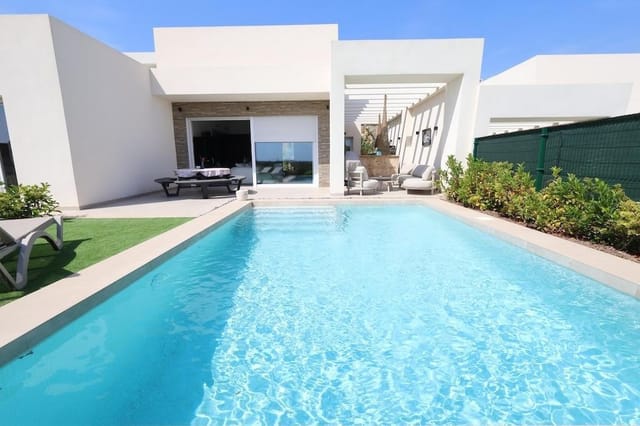
Picture 1

Stand on the upper terrace on a Saturday morning and you can already smell the pine resin warming in the sun. The hills of the Garraf Natural Park roll out ahead of you, all limestone ridges and dark green forest, and somewhere below, just five minutes down the road, Sitges is waking up for the weekend. That particular combination — raw nature on one side, one of Catalonia's most vivid coastal towns on the other — is what makes Mas Alba genuinely hard to leave. This is a completed new build in the truest sense: not an off-plan promise but a finished, move-in-ready home with every system tested, every material chosen with intent. Three hundred square metres of living space sit on a 750-square-metre plot, and from the moment you walk through the custom solid-wood entrance door, the architecture earns your attention. Natural wood and raw concrete don't always get along, but here they do — warm grain against cool grey, neither element showing off. The ceilings are high enough that even with five people in the kitchen you don't feel crowded. The kitchen is genuinely the centre of this house. Open-plan, fully equipped, flooded with light from floor-to-ceiling glazing — it's where morning coffee happens and where dinner guests eventually end up, regardless of where the evening started. The island becomes a gathering point almost automatically. From where you stand at the counter you can watch the sun track across the garden, see the saltwater pool catching light in the afternoon, and keep an eye on whatever is happening on the terrace. Two living rooms give the house a flexibility that single-storey layouts rarely manage. One on each floor. The upper lounge can be closed off entirely and converted into the fifth bedroom — us ... click here to read more

Picture 1

Sunday mornings here have a particular rhythm. You wake up to birdsong — actual birdsong, not the muffled city kind — push open the shutters, and the 1.13-hectare garden sprawls out in the early light, dew still sitting on the fruit trees, the pool catching the first gold of the day. By ten o'clock you're at the Valence d'Agen market, picking up a wedge of Ossau-Iraty and a bottle of Côtes du Marmandais, and by noon you're back under the covered terrace with a long lunch that somehow stretches into a slow, unhurried afternoon. That's the daily tempo this property sets. Situated in peaceful countryside just five minutes from the prosperous market town of Valence d'Agen, this 19th-century stone house — 160 square metres of it, plus a separate guest cottage — is the kind of place that feels lived-in and genuinely loved. Not a renovation project dressed up as a lifestyle choice. It's in good, move-in condition, furnished with care, and ready to be someone's second home in southwest France from essentially the first weekend. The stone exterior has that unmistakable Gascon solidity: thick walls that keep the interior cool through July and August when temperatures climb into the mid-thirties, and cosy through winter when the oil-fired central heating takes the edge off. Step inside through the entrance hall and the original 19th-century staircase stops you immediately. It's not a decorative feature — it's a structural statement, the kind of craftsmanship that simply doesn't exist in new builds. Exposed beams run across the living room ceiling, the open fireplace sits at the room's heart, and fitted cupboards line the walls in a way that suggests this house was always meant to be used hard and enjoyed properly. The kitchen is ... click here to read more

Picture 1

Sunday morning in Jávea has its own particular rhythm. The air carries a faint trace of pine and sea salt from the Montgó massif, church bells drift down from the old town's Sant Bartomeu church just a few kilometres away, and somewhere on the terrace below the pool, a coffee is going cold while someone watches the light shift across the Bètic mountains. That's the kind of slow, unhurried life this four-bedroom villa on one of the Costa Blanca's most established residential urbanisations makes entirely possible. Set on a generous private plot just a short drive from Jávea's Arenal beach and the marina along Avenida del Mediterráneo, the villa occupies a quietly confident position between town and countryside. It's the sort of location that rewards the people who've done their research — close enough to the fish market at the port, the Wednesday market at the Paseo de la Explanada, and the terraces of Restaurante El Clot or the tapas bars along Carrer Major in the old town, yet far enough away that weekends here feel genuinely peaceful. The property itself was built in 1988 and covers 171 square metres of interior space across two levels, sitting on a plot that gives the gardens real room to breathe. Two wide driveways run along the front — there's space for several cars, a boat, even a motorhome, which tells you something about the people who've owned this place. Outdoor living was clearly the priority from the start. Head down to the lower garden level and you find a covered barbecue area that gets used in January as readily as in August. That's one of the genuine pleasures of the Costa Blanca — 300 days of sunshine annually means the outdoor kitchen isn't just a summer feature. A pedestrian bridge, slightly theatric ... click here to read more

Picture 1

Sunday morning in Moraira moves at its own pace. The market on Calle Marqués de Campo fills with locals pulling trolleys loaded with blood oranges and fresh anchovies from the fish stalls, the smell of churros drifting from the café on the corner where the fishermen have already been sitting for an hour. Walk five minutes back up the hill and you're home — through the gate, past the bougainvillea, onto the shaded naya with a coffee and nowhere particular to be. That's not a fantasy. That's a Tuesday in this villa. Set on a generous corner plot in one of Teulada-Moraira's quieter residential pockets, this single-storey detached villa sits in exactly the kind of spot that makes the Costa Blanca so fiercely coveted by buyers from across northern Europe. Not perched above the sea in some vertiginous clifftop position, and not buried in a sprawling urbanisation miles from anything — just right. Local shops, a handful of good restaurants, and everyday essentials are all within an easy ten-minute walk. You won't need the car every time you want a bottle of wine or a newspaper. The driveway is gated, with space for two cars behind it. Privacy arrives before you even step through the front door. The gardens have had years to establish themselves and it shows — there's a maturity to the planting, the kind you can't buy new, with different corners of the plot offering different moods throughout the day. Shade when you want it, full sun when you need it. The covered naya faces out over the garden and becomes, inevitably, the room you actually live in from April through to October. Lunch stretches into the afternoon here. Dinner starts late and ends later. The private swimming pool sits within the sun terrace and catches the light ... click here to read more

Picture 1

Sunday morning in Quinta do Lago has a particular quality. The air carries pine resin and the faint salt of the Atlantic, and by nine o'clock the light is already warm enough to take your coffee out to the upper terrace. Below you, the garden is still. The pool catches the sun in long, slow ripples. Somewhere past the tree line, a golfer is teeing off on the São Lourenço course. This is what 260 square metres of recently renovated villa feels like when it's yours. Quinta do Lago is one of those places that earns its reputation quietly. It doesn't announce itself with crowds or traffic or the relentless buzz of a resort strip. The community sits within the Ria Formosa Natural Park, a protected coastal lagoon that runs for sixty kilometres along the eastern Algarve, and the effect on daily life here is almost physical — there's a stillness that's hard to find anywhere else in southern Portugal. Almancil, the nearest town, is ten minutes by car and does everything a full-time neighbourhood should: proper supermarkets, local cafés where the bifanas are good and cheap, a Thursday market that runs along the main street with fruit sellers, ceramics, and linen. It's grounded in a way that keeps the whole area feeling real rather than manicured. The villa itself sits in a quiet residential pocket close to the resort's central hub, which means you can walk to the lake, the beach restaurant at Praia de Quinta do Lago, and the cluster of boutiques and dining venues around the main square without getting in a car. That walkability is rarer than you'd think at this price point in the Algarve. The property's street-level approach is discreet — mature hedging, a proper garage, tidy landscaping — but once you step through the front doo ... click here to read more

Picture 1

Stand on the terrace on a Tuesday morning in late June and you'll understand exactly why people keep coming back to this corner of the Dordogne. The medieval bastide of Domme rises above the river valley to the northwest, its golden limestone walls catching the first proper heat of the day. Swallows cut arcs over the gardens below. Somewhere between the lavender and the old walnut tree, a pool pump hums quietly to life. This is not a fantasy. This is what owning this three-property gîte complex in La Roque-Gageac actually looks like on a weekday. The property sits on roughly three-quarters of an acre, a well-planted, private plot that took two decades to reach the kind of maturity most garden designers can only sketch on paper. Three independent houses, each around 50 square metres, each with its own pool, its own entrance, its own self-contained rhythm. Combined, they offer six bedrooms and three bathrooms across approximately 150 square metres of living space. The layout was conceived from the start with rental income in mind, and it has delivered exactly that for the current owners across nearly twenty years of operation. Each house follows a sensible, practical floor plan: an open living and kitchen space of around 24 square metres, a shower room, a WC, and sleeping arranged partly in mansard-style upper rooms that children tend to adore. Reverse-cycle air source heat pumps handle both heating and cooling, which matters more than people expect — Périgord summers can push past 35°C, and October evenings carry a definite chill. These are not draughty stone barns waiting for a renovation budget. They are ready to work, move-in ready, and have been maintained by owners who clearly understood the guest experience. From ... click here to read more

Picture 1

On a still Tuesday morning in July, the only sound you'll hear from the covered terrace is birdsong and, if the wind's right, the faint ring of the bells from Saint-Sacerdos cathedral drifting up from Sarlat's medieval core just a kilometer down the road. The pool is already warm by nine — it's heated, and the roller shutter traps every degree overnight — and the coffee is strong. This is what owning a second home in the Dordogne actually feels like. Not a fantasy. A Tuesday. The property sits in a genuinely peaceful setting on the edge of one of the most visited and best-preserved medieval towns in France, yet it manages to feel entirely private. A third of an acre of enclosed garden wraps around the house, giving you that rare combination: you can walk to a boulangerie and still eat breakfast without seeing another soul. The 1,500 m² of grounds include good open views across the countryside — not just a strip of sky between rooftops, but actual Périgord Noir landscape rolling away beyond the hedgerows. Built in 1980 and maintained in good condition, the main house delivers 171 m² of living space across two floors, with a separate self-contained apartment on the garden level adding a further 43 m². Six bedrooms and three bathrooms total. That's the kind of footprint that makes large family gatherings work — really work, where nobody is sleeping on a sofa or sharing a bathroom with four other people. The apartment in particular changes the dynamic entirely. Grandparents get their own entrance. Adult children get independence. Friends on a long summer visit don't have to navigate the rhythms of your household. Step into the ground-floor sitting room and the beams immediately tell you where you are. Exposed, original, t ... click here to read more

Photo 1

Step out of the front door on a Tuesday morning and within sixty seconds you're on the sand. No car, no shuttle, no planning — just the smell of salt air and the sound of the Mediterranean lapping at the Costa del Sol. That's the daily reality of owning this renovated two-bedroom townhouse in Sitio de Calahonda, one of the most quietly coveted pockets of Mijas Costa, sitting less than 100 meters from the shoreline and the scenic Mijas Coastal Path. Calahonda is the kind of place people discover by accident and then spend years trying to get back to. Tucked between the glitz of Marbella to the west and the laid-back surf culture of La Cala de Mijas to the east, it has its own low-key rhythm. The promenade fills with joggers and dog walkers at dawn. By mid-morning, the beach bars are pulling espressos and cutting into tortilla. Come sunset, the terrace tables at places like Restaurante El Oceano fill up fast with people who've learned that the best view of the Costa del Sol doesn't require a reservation at somewhere famous — it just requires showing up. This townhouse, spread across two floors plus a private solarium terrace, was fully renovated roughly two years ago. The work was done thoughtfully. Mediterranean-inspired finishes, yes, but also practical upgrades that international owners actually care about: thermal and acoustic insulation on all new windows, air conditioning throughout, and solar panels that meaningfully cut running costs. The east-west orientation means the ground floor living room catches the morning light while the solarium terrace glows in the evening — which, if you've ever watched the Costa del Sol sky go orange and pink over the water from a rooftop, you'll understand why that matters. Downsta ... click here to read more
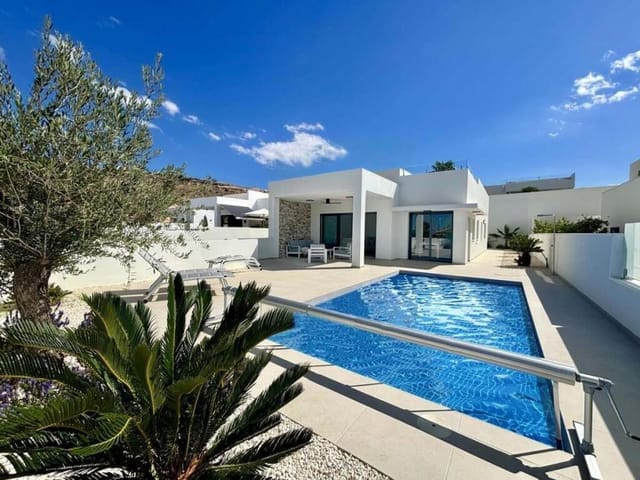
Picture 1